



Birdwatching
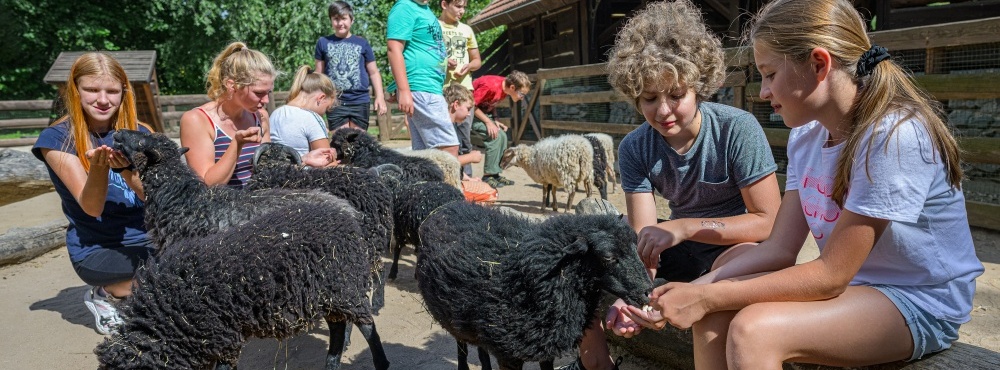

You’ll find birds everywhere—in forests, gardens, meadows, by ponds and even in cities. You might think there are only a few species around where you live, but if you pay closer attention to your surroundings, you’ll soon find out this is far from the case.
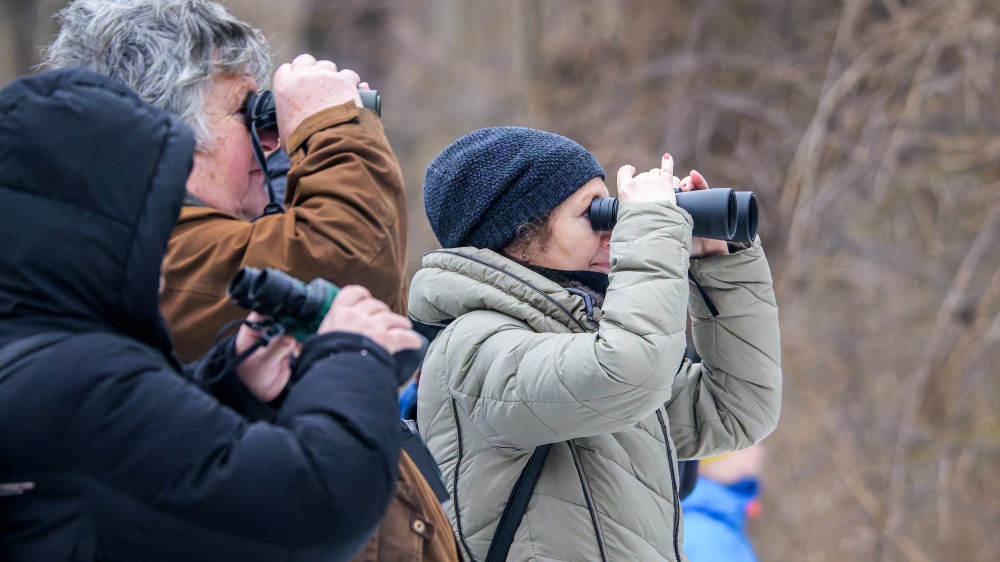 Photo: Petr Hamerník, Prague Zoo
What Will You Need?
The basics are binoculars and something to record your observations—a notebook and pencil, a tablet or a phone. Experienced birdwatchers enter their records straight into online databases. Helpful tools include apps for smart devices that identify birds from their photos or calls, as well as bird field guides.
Useful apps and databases
- Avif – observation database of the Czech Society for Ornithology
- iNaturalist – species identification from photos, observation database
- eBird – observation database of the Cornell Lab of Ornithology
- Merlin – bird species identification by call or photo, personal checklists
- BirdNET – bird species identification by call
Where, When and How?
Choose a place where birds are often found (by a river or pond, in a city park, at the edge of a forest). Then find a discreet spot where you won’t disturb them. Birdwatching takes patience, and it’s important to remain calm and quiet. Different species are active at different times of day, but most birds are busiest early in the morning and again in the evening.
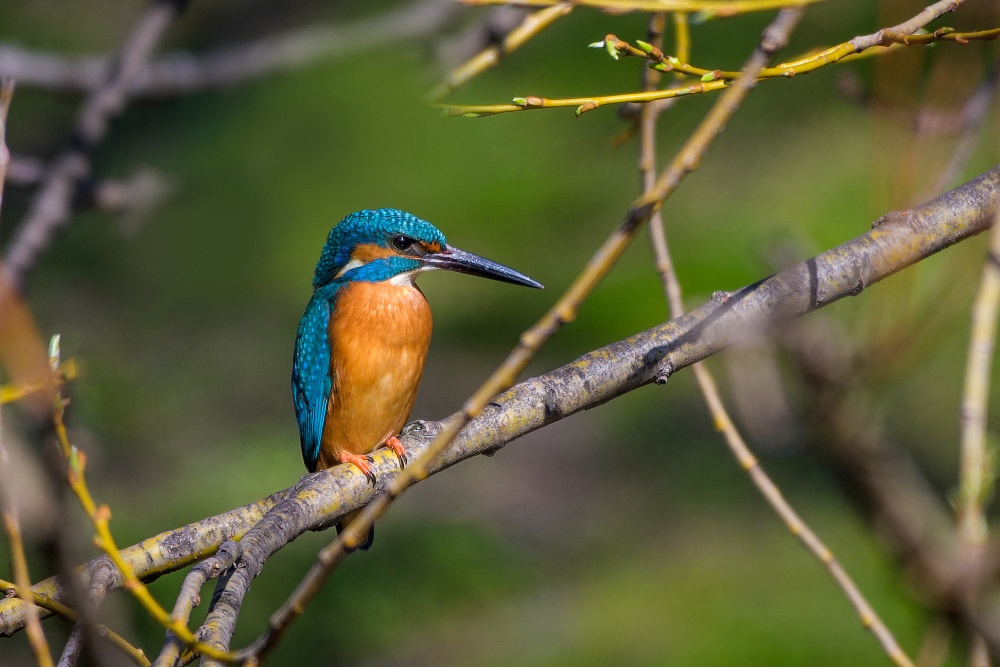
To observe a kingfisher, you need to head to the water vicinity. Photo: Petr Hamerník, Prague Zoo
Record Your Observations
Your notes should always include the date, time and location of the observation, as well as the weather and any other interesting details. Then record everything you see: what the birds look like, how many there are, how they behave and move, what they feed on, and what sounds they make.
The same bird can look quite different depending on the light conditions. When viewed against the light, fewer details will be visible than against a dark background.
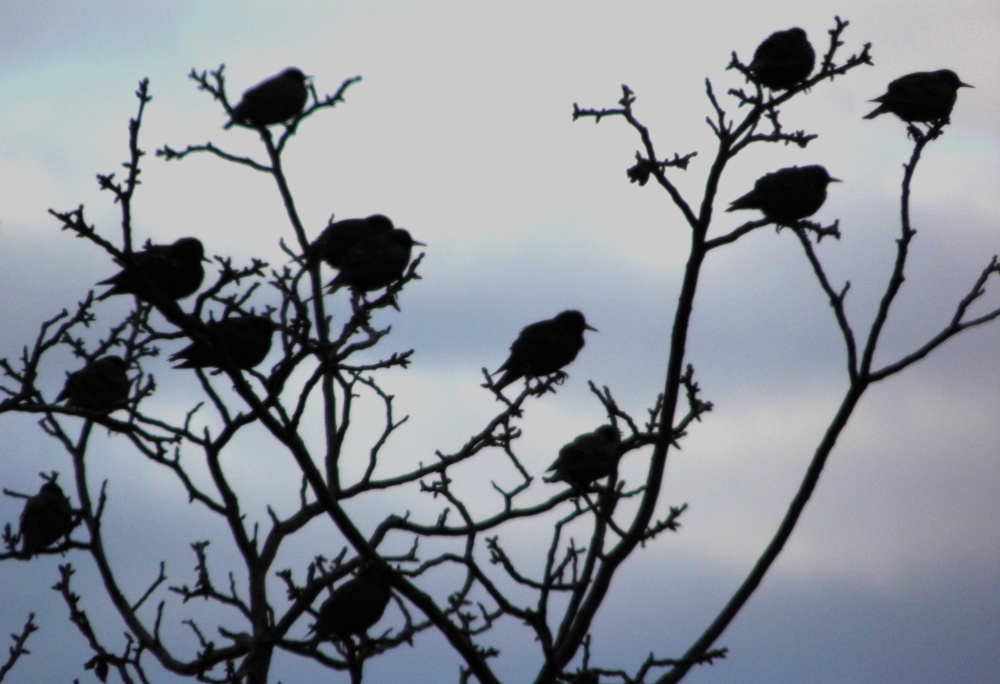
In poor light or against a bright background, almost no details are visible, such as on this photo of a flock of common starlings. Photo: Lenka Janochová
Citizen Science
Your observations can help experts monitor population sizes of individual species and their activity throughout the year. All you need to do is enter them into one of the relevant databases—for example eBird or iNaturalist. Very popular, too, are the annual bird counts at feeders, held during various winter terms worldwide. In Britain, it is the Big Garden Birdwatch.
Birding Communities
Birdwatching doesn’t have to be a solitary activity. Observing birds alongside more experienced birdwatchers can help you improve your identification skills, notice details you might otherwise miss and deepen your understanding of bird behaviour. Before long, you might even find yourself becoming a birder.
While birdwatching usually refers to casually observing birds (even if only in your garden), birding is understood as a more dedicated and purposeful pursuit. Birders tend to be more focused and systematic in their observations, deliberately seeking out locations where there is a good chance of encountering interesting bird species. They record their sightings and pay attention not only to bird they see bus also to those they only hear. And then there are twitchers: the adrenaline-fuelled birding extremists, willing to travel long distances to see a particular rare or elusive species and add it to their life list—a personal record of all the bird species they have observed over their lifetime.
Birdwatchers and birders can join national ornithological societies, birding associations, bird conservation organisations or local bird clubs and charities. In Czechia, the main organisation is the Czech Society for Ornithology (CSO). In other countries, these include the Deutsche Ornithologische Gesellschaft (DOG) in Germany, the British Trust for Ornithology (BTO) and the Royal Society for the Protection of Birds (RSPB) in the United Kingdom, or the American Birding Association (ABA) in the United States. On a global scale, a key umbrella organisation is BirdLife International.
A wealth of information about birds, identification tips and current sightings can be found on the eBird website. The websites of the organisations mentioned above also offer a great deal of useful information, including details of organised events such as guided walks, bird counts and workshops—all of which provide excellent learning opportunities, especially for beginners. Many birding groups are also active on social media, where they share recent observations, photos and invitations to join field trips. Taking part in these communities can be a great way to share your experiences, exchange tips and become part of a community of fellow bird enthusiasts.
You can also join organised birdwatching events with experts, offered by Prague Zoo. These include guided walks focusing on wintering birds or the spring event Welcoming Birdsong. Follow the zoo’s programme for current dates.
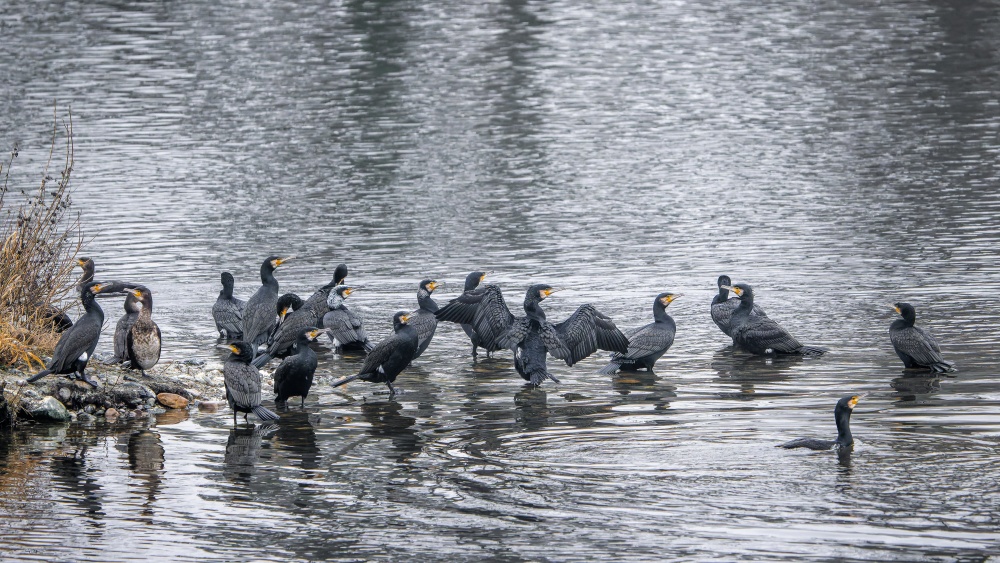
One of the species you may encounter on winter birdwatching walks organised by Prague Zoo is the great cormorant. Photo: Petr Hamerník, Prague Zoo
Useful Links
- eBird
- British Trust for Ornithology (BTO)
- Royal Society for the Protection of Birds (RSPB)
- BirdLife International
- BirdForum
- Birdingplaces
- FatBirder
ZOOPRAHA.CZ
Contacts
- The Prague zoological garden
U Trojskeho zamku 120/3
171 00 Praha 7
Phone.: (+420) 296 112 230 (public relations department)
e-mail: zoopraha@zoopraha.cz
Others