



The return of the European bison to the wild
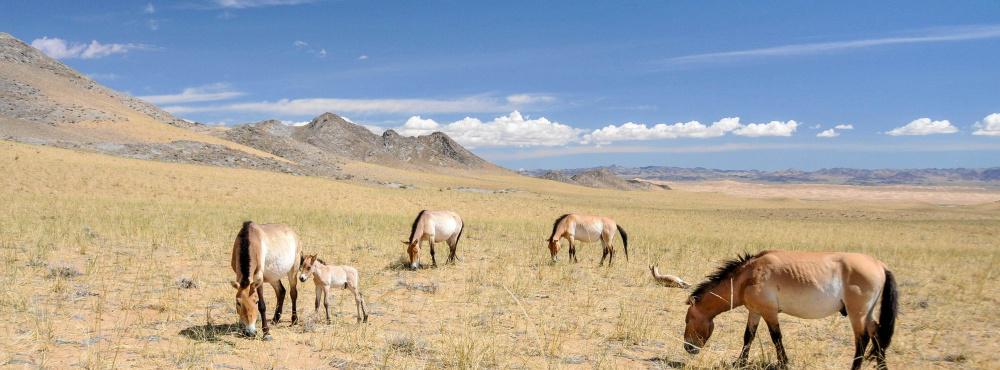
The European bison, the largest land mammal in Europe, was tragically driven to extinction in the wild in the 1920s. Ancient European cultures regarded the bison as a symbol of natural strength and resilience; however, for centuries it was also a hunted species. Combined with the gradual loss of its natural habitat, this ultimately led to its disappearance from the wild. Today, the European bison is therefore protected under international conservation frameworks. Without breeding in zoological gardens, semi-wild reserves and reintroduction programmes, the species would no longer exist in nature.
As a species adapted to a wide range of habitats – from floodplain meadows and forests to steppes, forest-steppes and extensive woodland complexes – the European bison (Bison bonasus) survived successive glacial and interglacial periods in Europe well into modern times. It once coexisted on the continent with the larger steppe bison (Bison priscus), the ancestor of the American bison (Bison bison). During the later Quaternary period, however, the European bison increasingly came under pressure from human activity. Intensive hunting and the expansion of agriculture steadily reduced its living space, pushing the species deeper into forested areas. From what had once been a vast range across Europe, its distribution gradually shrank until only two isolated refuges remained – the Białowieża Forest in Poland and the Caucasus. Even there, the species was exterminated in the first third of the 20th century.
In response, the Society for the Protection of the European Bison was established, one of its first achievements being the publication of a studbook for the species – the first studbook ever created for a wild animal. Since then, the population of this majestic ungulate has been steadily increasing thanks to carefully managed breeding in human care followed by reintroduction into the wild. The first bison were released into the Białowieża Forest in 1952. Today, the global population numbers more than 10,000 individuals.
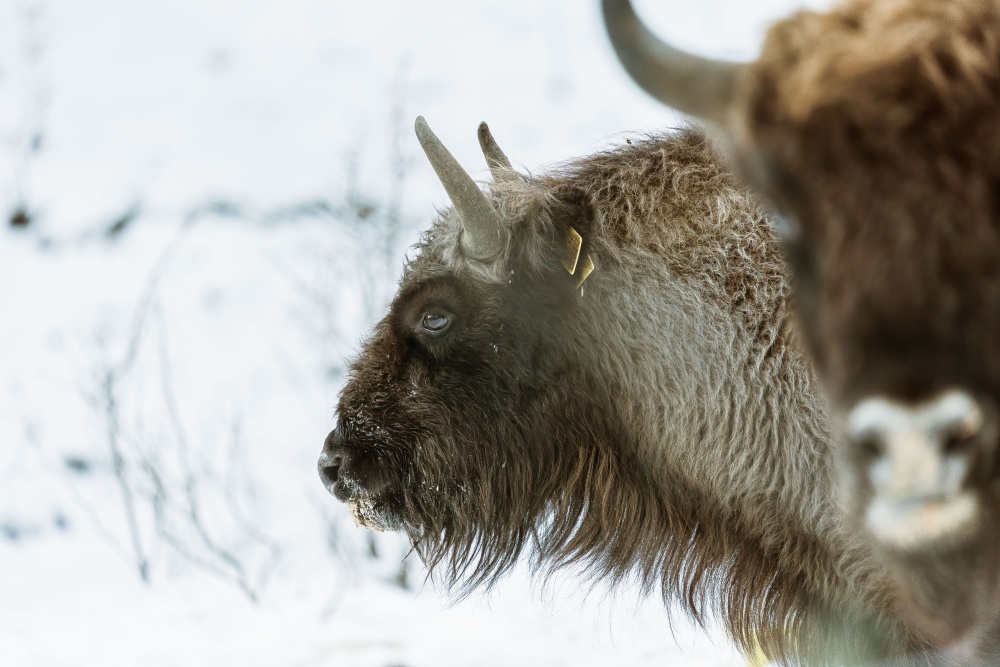
The female Prťka, bred at Prague Zoo, was transported to Shahdag National Park in Azerbaijan in 2019. Photo: Rustam Maharramov, WWF
Prague Zoo has been breeding European bison since 1948, and more than 100 calves have been born here over the years. The zoo is also actively involved in returning bison to the wild. To date, a total of ten animals have been reintroduced from Prague Zoo. Six of them were transferred to Bieszczady National Park in Poland, where the Polish bison population meets the Slovak population from the Eastern Beskids. Together with animals from other zoological institutions, the female Prťka was transported to a national park in Azerbaijan at the foothills of the Caucasus in 2019. Another female from Prague Zoo was transferred to the same location in 2021. The most recent reintroduction, carried out primarily by Tierpark Berlin in cooperation with the World Wide Fund for Nature (WWF), took place in January 2026. What was originally planned as the transport of four females from Prague Zoo and Olomouc Zoo eventually became a group of five. While awaiting transport – which had been postponed due to the risk of foot-and-mouth disease – a calf was born to one of the Prague females. In total, 18 animals were transported from Europe to Azerbaijan, making this the largest transfer of its kind.
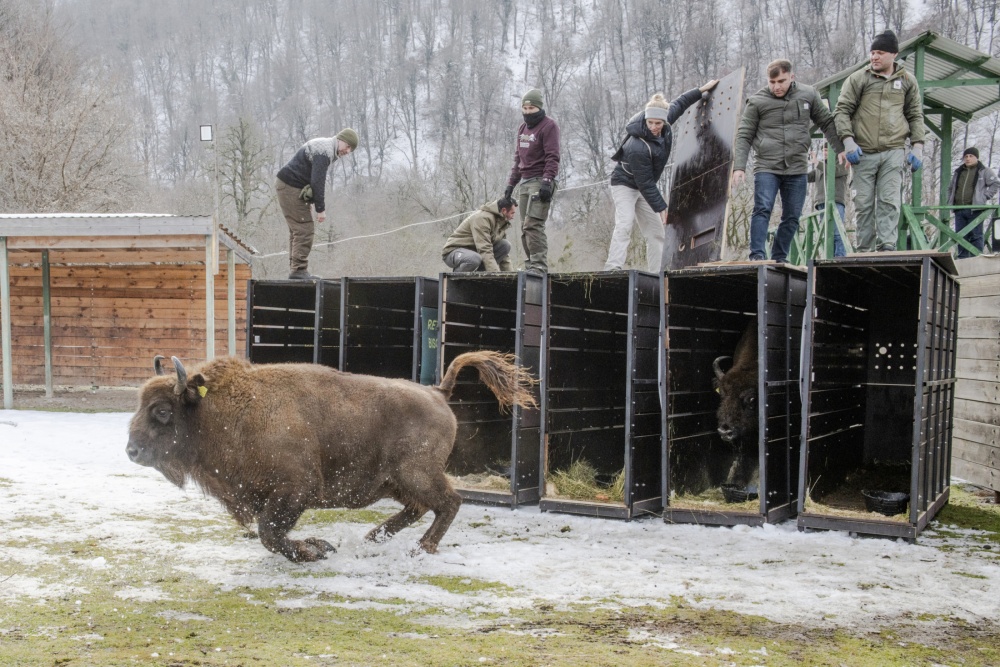
Transport of European bison from European zoos to Shahdag National Park in Azerbaijan, January 2026. Photo: Emil Khalilov, WWF
In autumn 2025, Prague Zoo launched the project „Zubři v Praze“ (European Bison in Prague). The main aim of the project, similar to that of the Przewalski’s horse programme, is to establish a large natural enclosure to expand the breeding of Europe’s largest ungulate, while simultaneously revitalising the area and enhancing biodiversity.
ZOOPRAHA.CZ
Contacts
- The Prague zoological garden
U Trojskeho zamku 120/3
171 00 Praha 7
Phone.: (+420) 296 112 230 (public relations department)
e-mail: zoopraha@zoopraha.cz
Others