



Prague Zoo Attracts Visitors with New Animal Babies This Autumn
There is plenty going on at Prague Zoo this autumn. Just a few days old, the latest pig-tailed macaque infants can now be seen in the Indonesian Jungle pavilion. In the upper part of the zoo, three curious heads have recently begun peeking out of the pouches of swamp wallabies. The five cheetah cubs are also becoming increasingly active, exploring their outdoor enclosure every day from 10 am to 3 pm. Many species are more active in the current cooler temperatures than they were in summer, including reindeer, moose, Pallas’s cats, North American river otters and Tasmanian devils. Other animals, such as lemurs, find both food and entertainment among the fallen leaves.
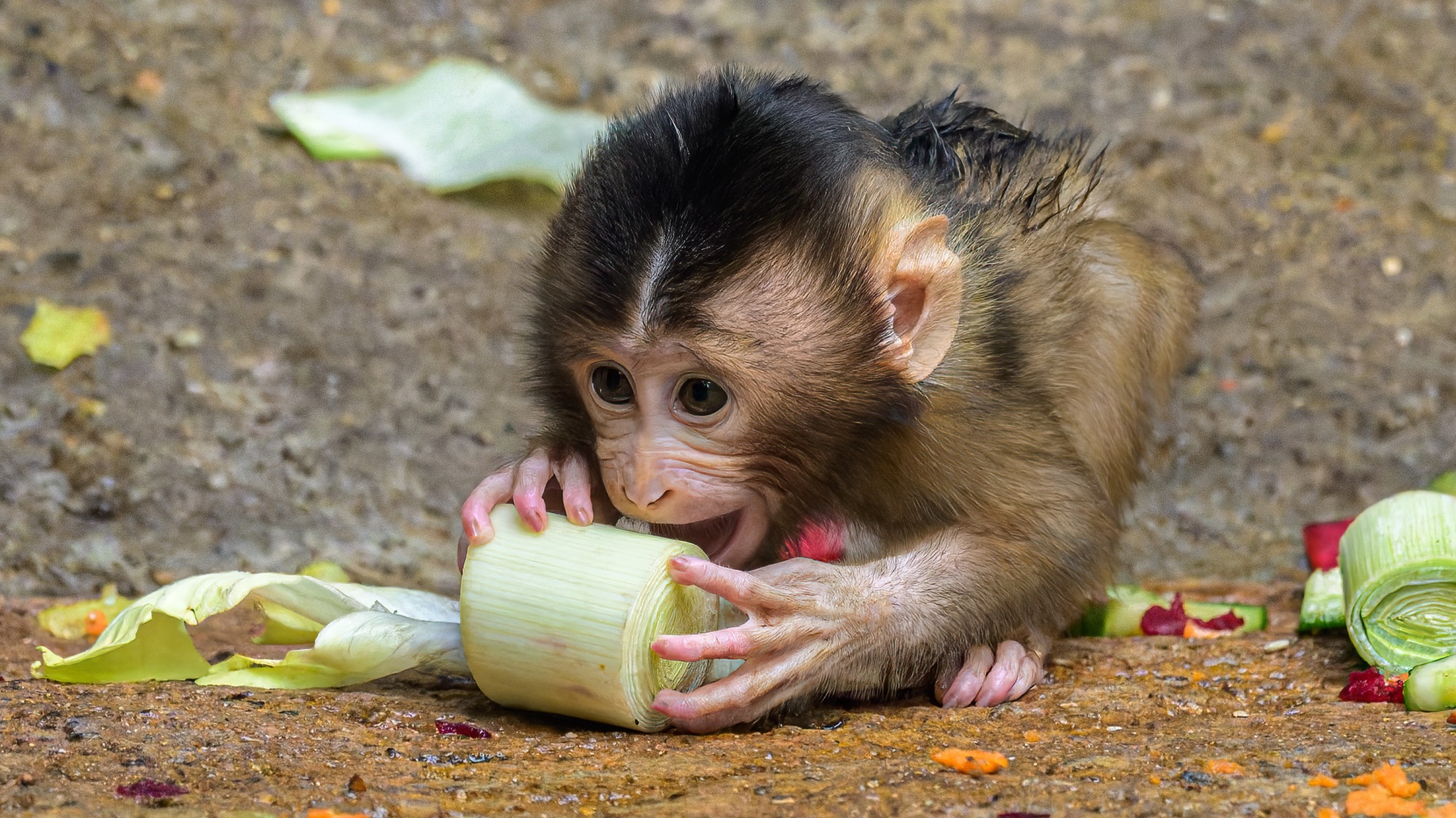 The group of pig-tailed macaques has grown to 15 this year. Over the past three weeks (on 25 September, 7 October and 12 October), three infants have been born, joining the one born in February. In this photograph, one of the autumn-born infants is investigating the adults’ food. Visitors will usually find the youngest additions close to their mothers, often clinging to their bellies. The older infants, meanwhile, show great interest in them. Pig-tailed macaques are now threatened by habitat loss and hunting, both for meat and for the pet trade. They can be seen on the lower floor of the Indonesian Jungle pavilion. Photo: Petr Hamerník, Prague Zoo
“Prague Zoo is well worth a visit at any time of year. Autumn has the added advantage that fewer people come to the zoo than in summer, so you may have some areas all to yourself. Add the still-pleasant October temperatures and the captivating colours of the trees in Troja, and an autumn visit to the zoo is practically irresistible,” says Prague Zoo director Lenka Poliaková.
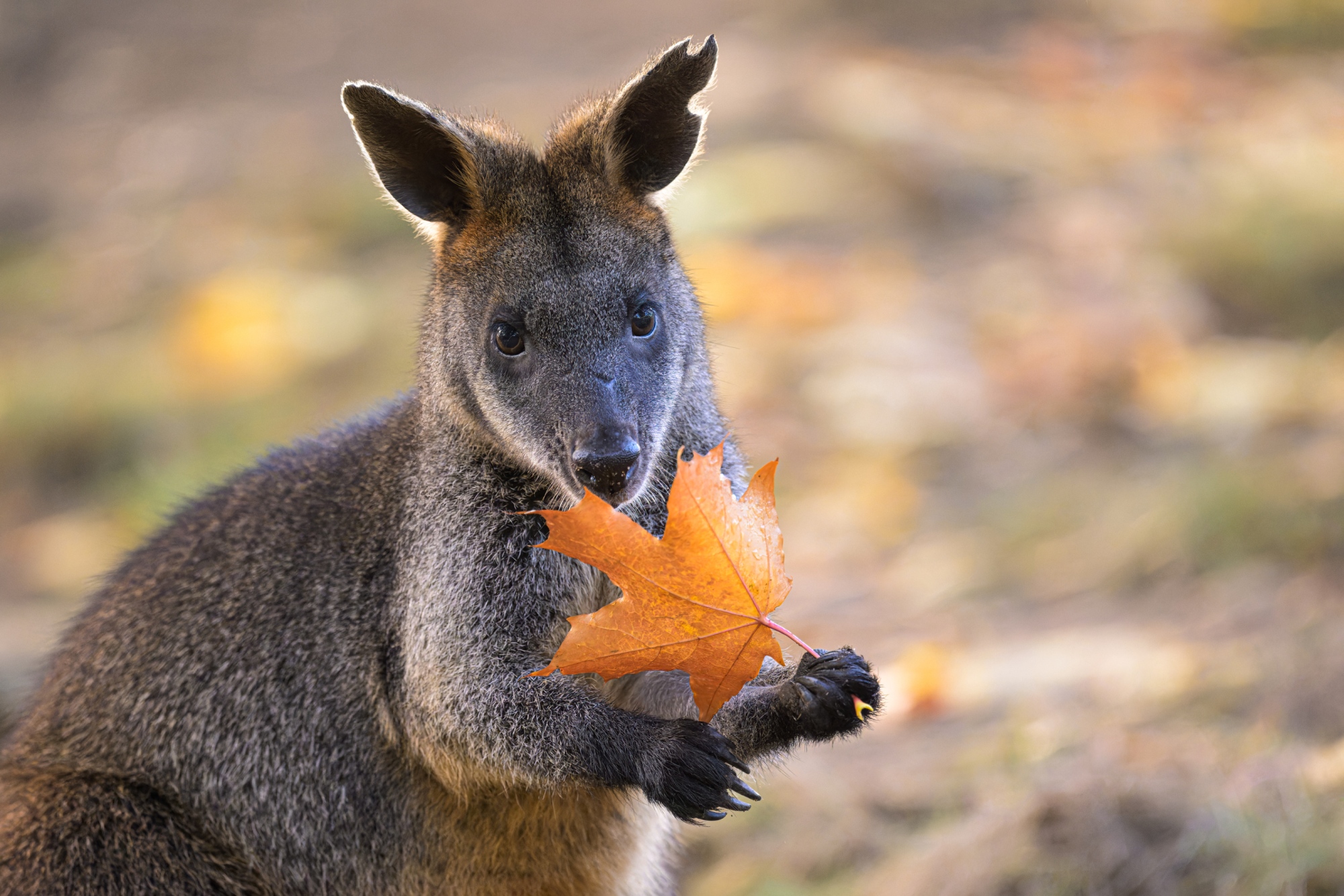
The swamp wallabies living in the enclosure next to the cassowaries relish the fallen leaves. Native to eastern Australia, they have dark brown fur, darker limbs and tail, a paler belly and often a yellowish stripe on the cheeks. The colours of the Czech autumn suit them particularly well. Photo: Petr Hamerník, Prague Zoo
Prague Zoo is currently open from 9 am to 5 pm. At weekends and on public holidays, all entrances are open until 4:30 pm. On weekdays, the Main Entrance is open until 4:30 pm, the South Entrance and Sklenářka Entrance until 3 pm, while the North Entrance remains closed all day. As the clocks go back and the evenings grow darker earlier, the zoo’s closing time will be brought forward to 4 pm at the end of October.
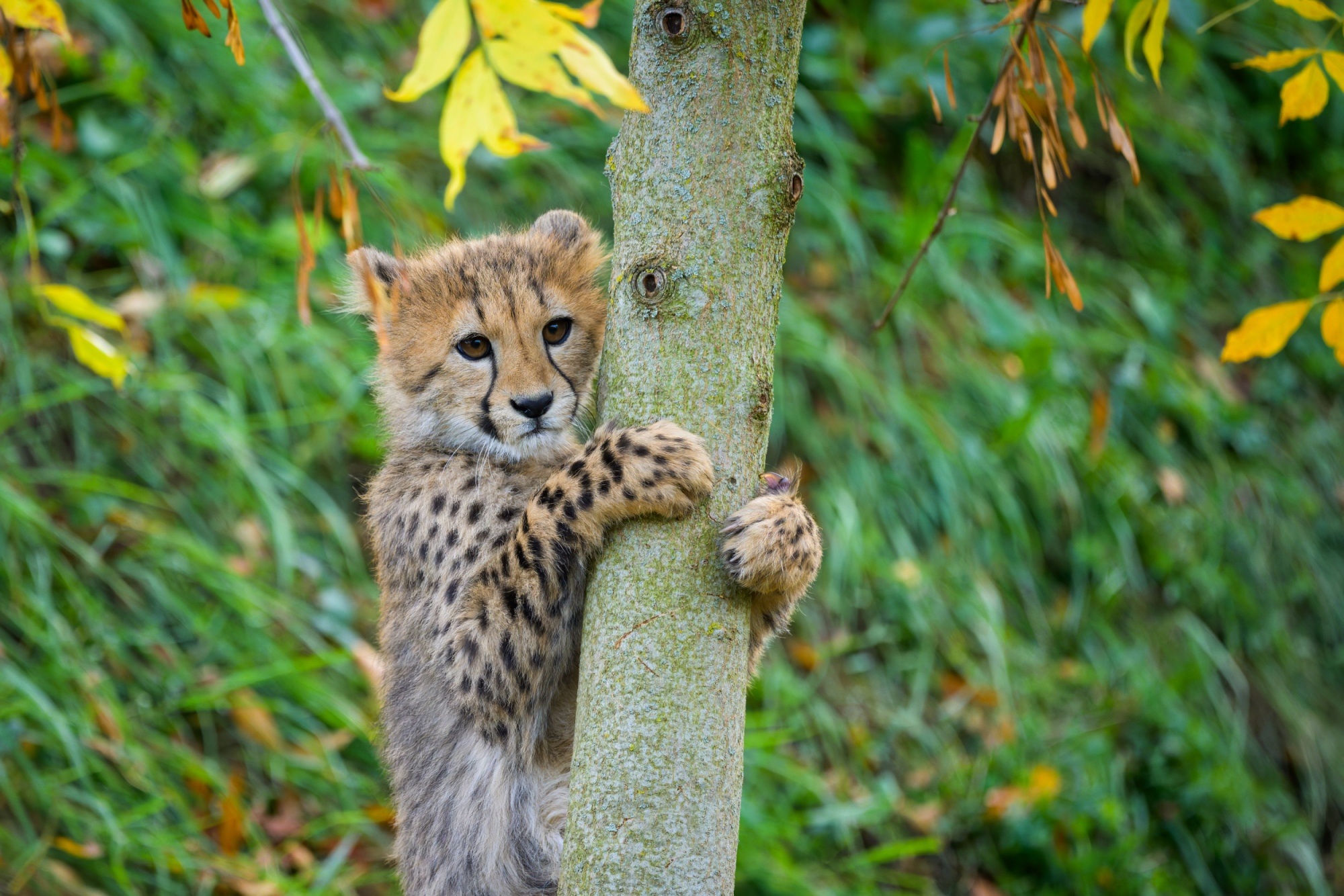
The five cheetah cubs are growing fast. Now just under four months old, their limbs are visibly lengthening and their characteristic mantle of longer fur along the back is slowly beginning to disappear. The four males and one female spend most of their time playing, developing their motor skills, practising hunting techniques and learning social behaviour. They have access to their outdoor enclosure between 10 am and 3 pm, although visitors are most likely to spot them at their liveliest before noon. Photo: Petr Hamerník, Prague Zoo
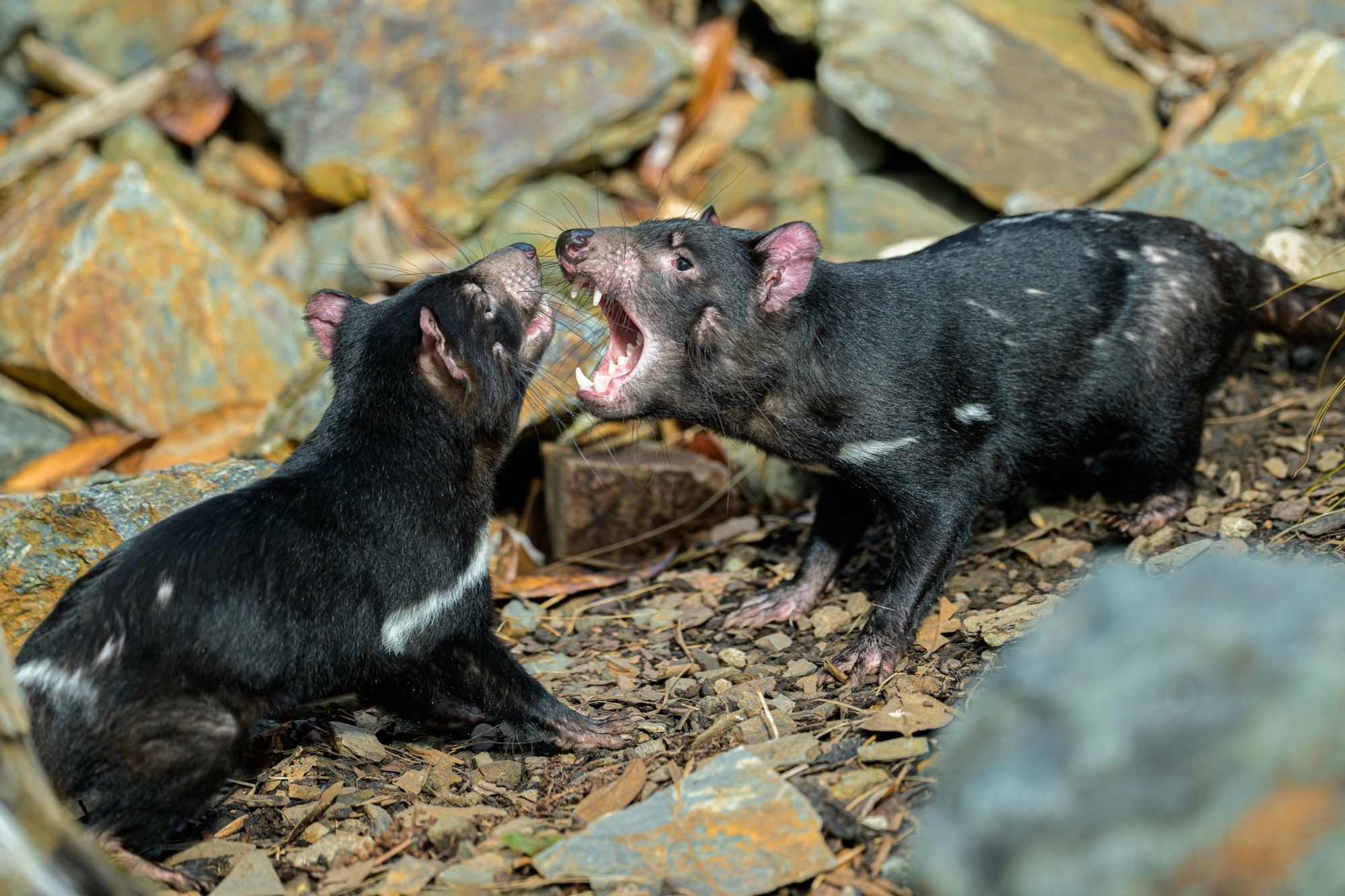
Tasmanian devils lack sweat glands to help regulate their body temperature, so the current daytime temperatures of around 15 °C encourage them to become more active. Their seemingly menacing lunges at one another are actually a normal form of communication in the world’s largest carnivorous marsupial. Our four Tasmanian devils often “chat” in this way, too. Photo: Petr Hamerník, Prague Zoo
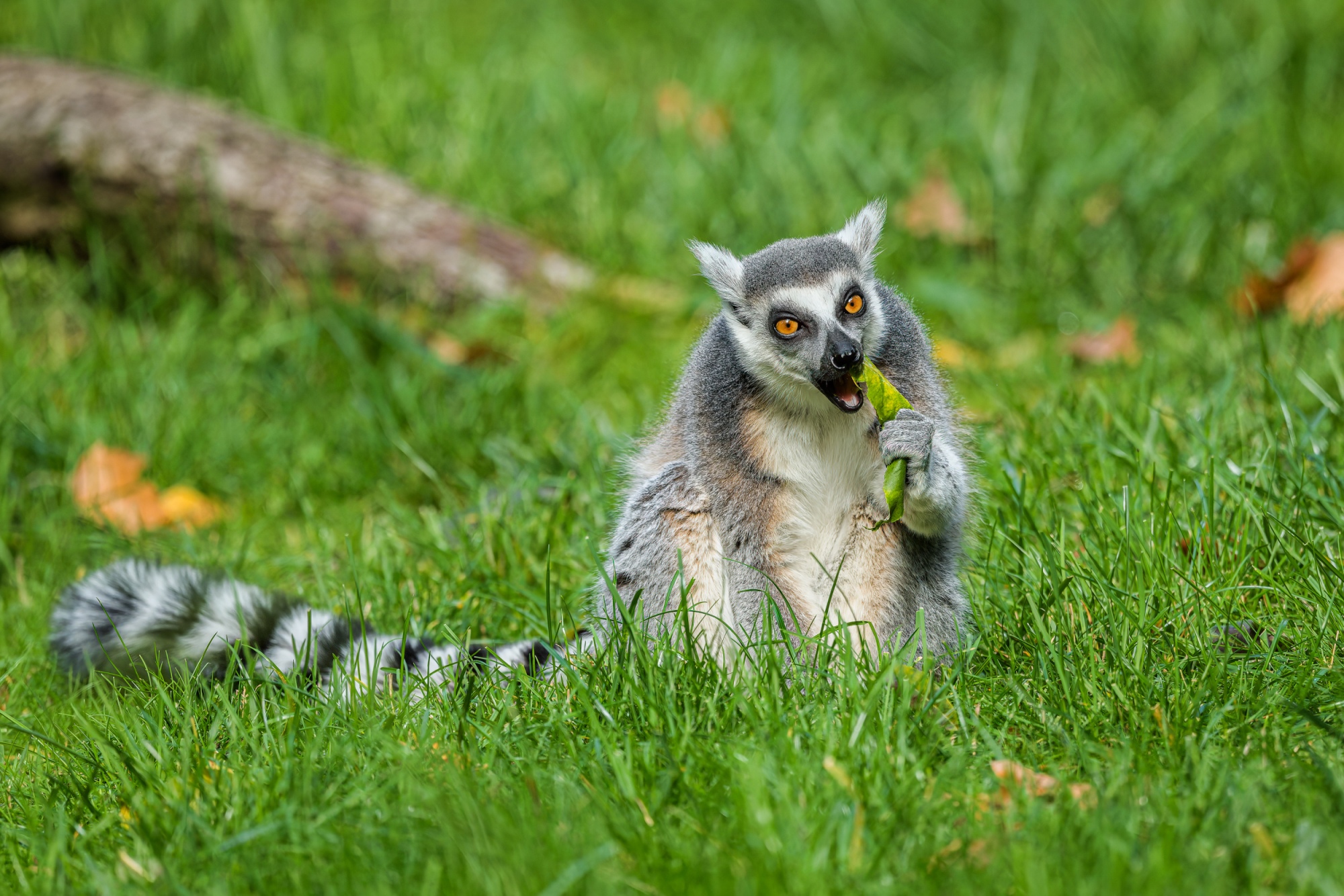
Ring-tailed lemurs, like kangaroos and various hoofed mammals, benefit from fallen leaves as a form of seasonal enrichment. The leaves not only add variety to their diet, which otherwise consists of browse, vegetables and smaller amounts of fruit, but also provide mental and physical stimulation. These Madagascan primates rummage through the different types of leaves, carefully selecting each mouthful. Visitors can get up close to them in the walk-through exhibit. Photo: Petr Hamerník, Prague Zoo
ZOOPRAHA.CZ
Contacts
- The Prague zoological garden
U Trojskeho zamku 120/3
171 00 Praha 7
Phone.: (+420) 296 112 230 (public relations department)
e-mail: zoopraha@zoopraha.cz
Others