



Return of the Wild Horses 2026 Has Begun: Four Horses Fly to Kazakhstan
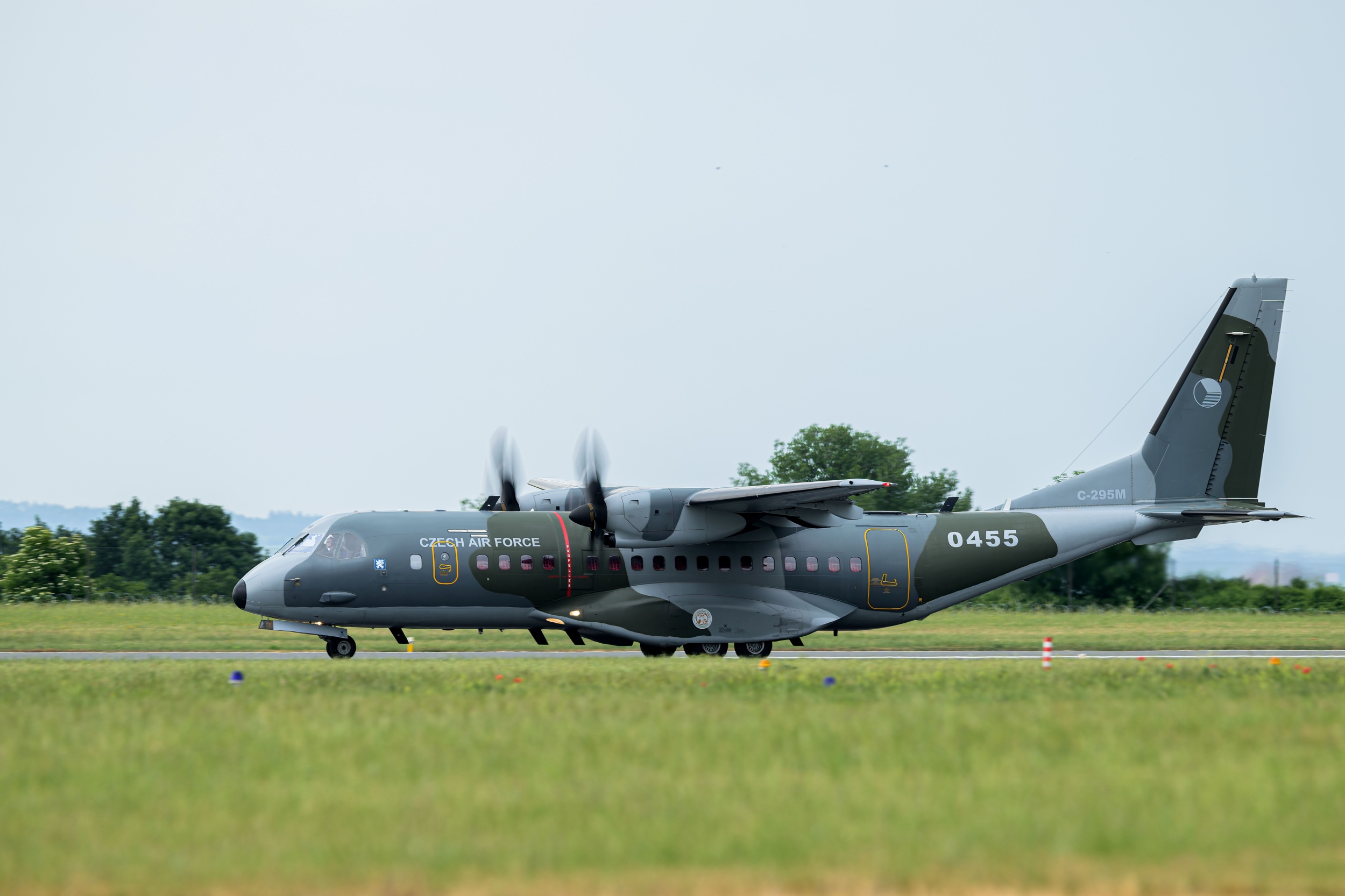
Thanks to Prague Zoo and the Czech Air Force, four Przewalski’s horses departed for Kazakhstan today, all of them stallions—a first in the history of these transports. The world’s last remaining species of wild horse will land in Kostanay aboard a CASA aircraft, from where a ground convoy will continue to the Golden Steppe. The plane will then return to collect four mares from Berlin. In total, eight Przewalski’s horses are due to return to the land of their ancestors this year.
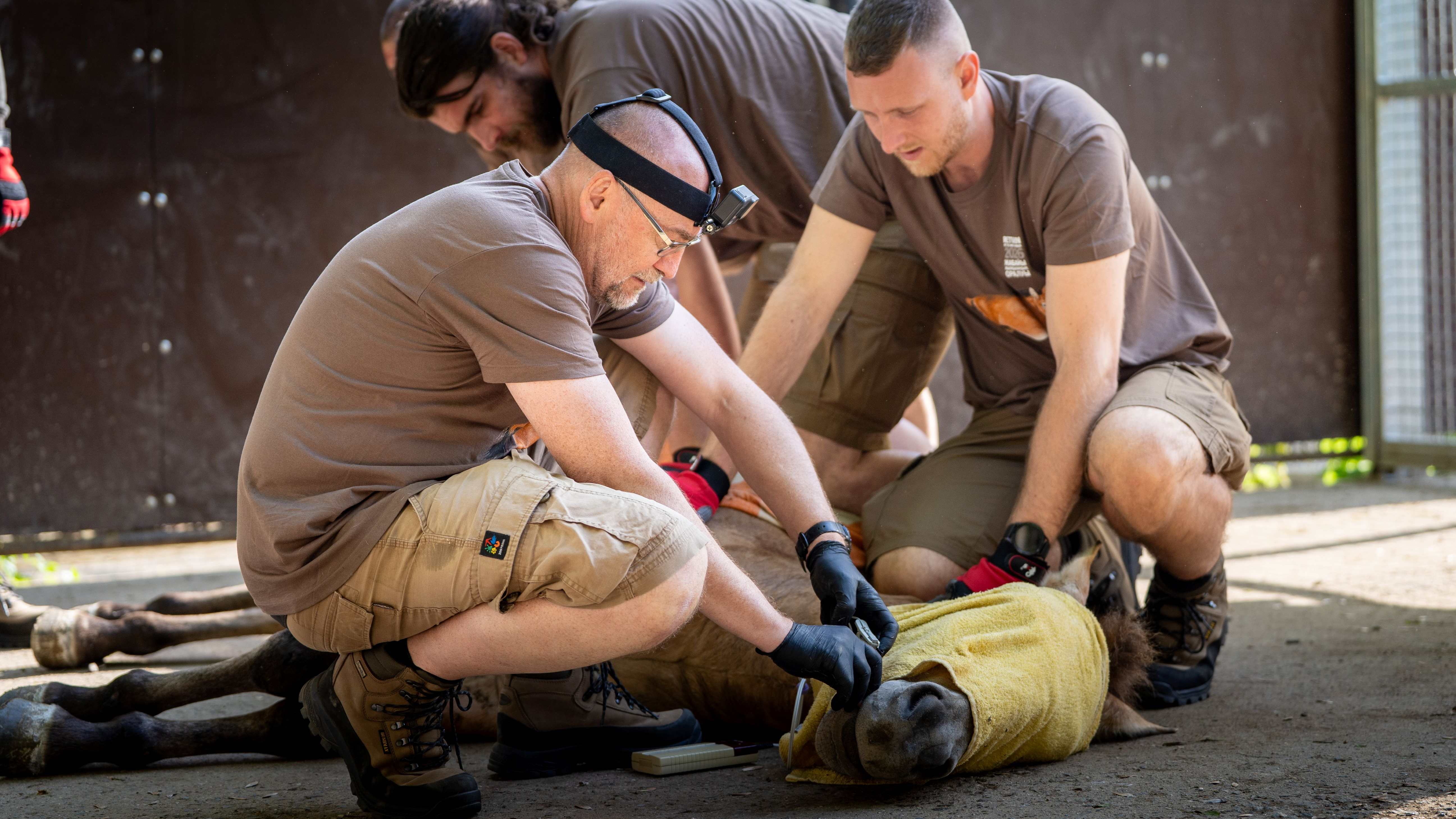 Veterinarian Roman Vodička sedates a horse prior to loading it into a transport crate. Photo: Oliver Le Que, Prague Zoo
“This project is of particular importance for Kazakhstan. However, it is not only about transporting a rare animal species. It also involves restoring the natural balance of steppe ecosystems and preserving biodiversity,” said the Ambassador of the Republic of Kazakhstan, Kairat Abdrakhmanov, who also thanked Prague Zoo, the Czech Air Force, the City of Prague, and other European and Kazakh partners.
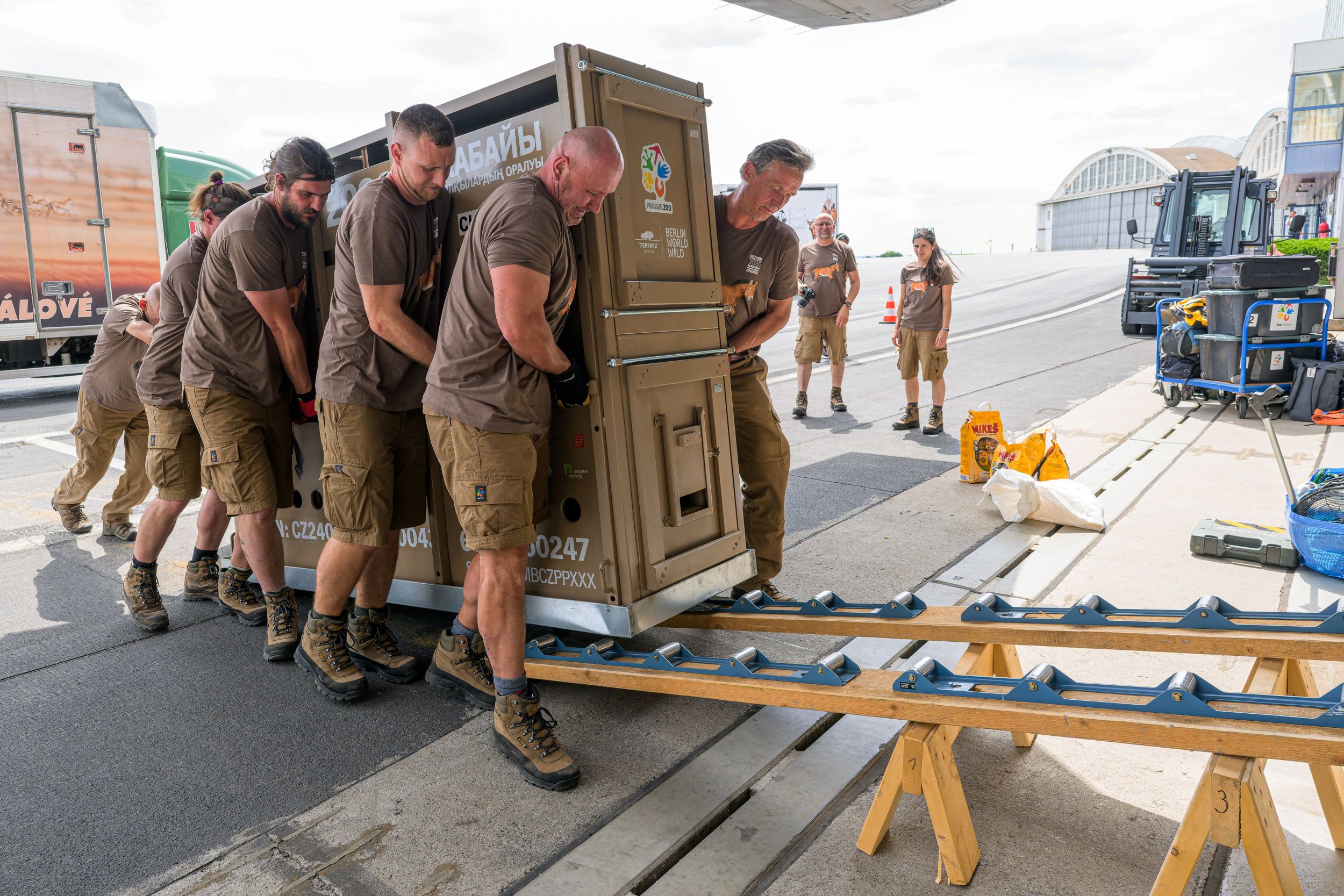
Prague Zoo keepers load a stallion into the aircraft, which will make stopovers in Istanbul and Baku. Photo: Petr Hamerník, Prague Zoo
The Return of the Wild Horses is the flagship conservation project of Prague Zoo. “Today we are witnessing a truly exceptional moment. Prague Zoo has been organising transports to restore Przewalski’s horses to the wild for fifteen years, and Prague is rightly proud of this project. I wish the entire team a smooth, trouble-free flight and hope the horses feel at home in the steppe,” said Jana Komrsková, Deputy Mayor of the City of Prague for the Environment.
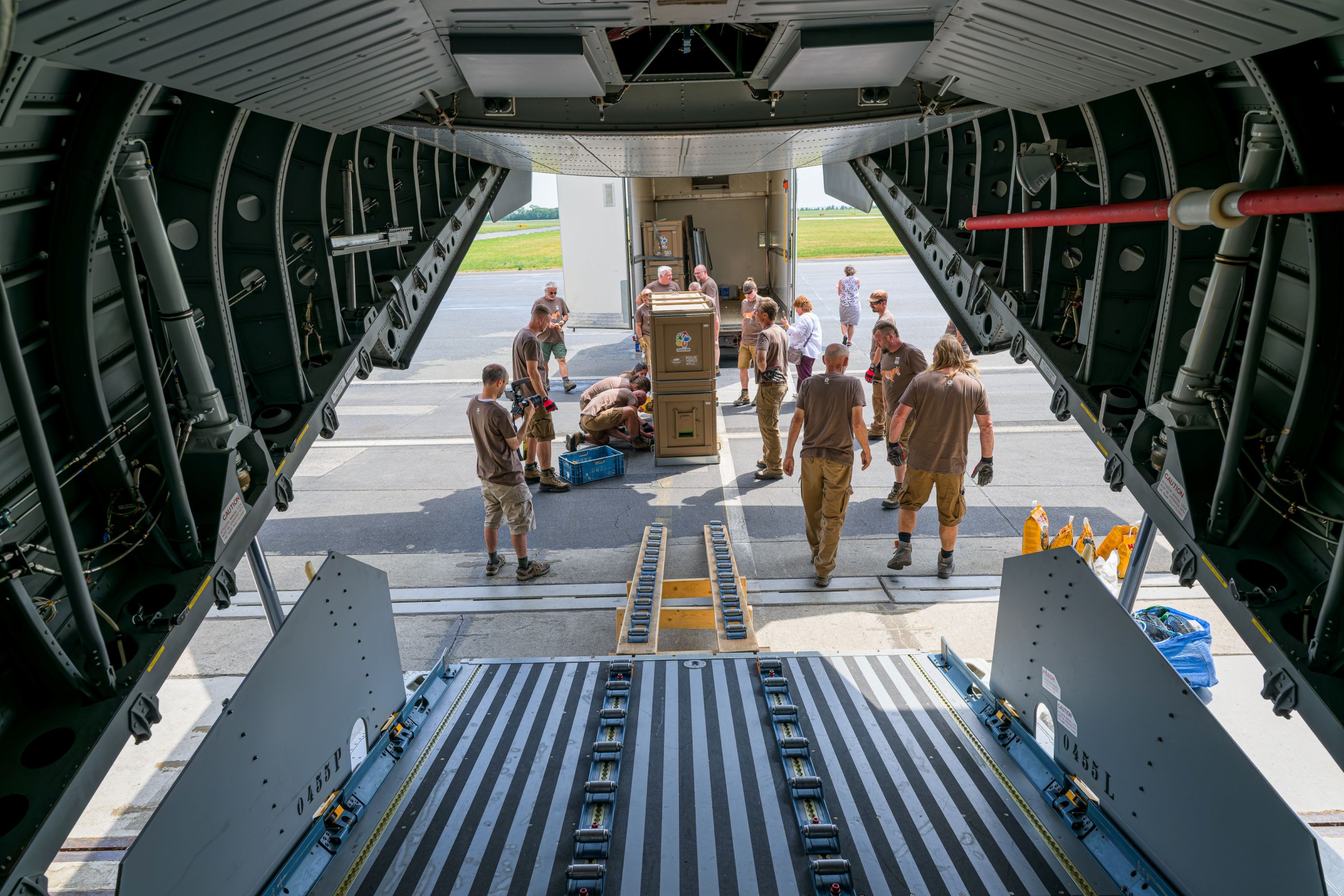
A veterinarian and the team of keepers monitor the horses’ health throughout the flight. To prevent overheating, the temperature in the aircraft drops to as low as 13 °C. Photo: Petr Hamerník, Prague Zoo
The transport itself began this morning at the Prague Zoo’s breeding and acclimatisation centre in Dolní Dobřejov. During loading, keepers had to contend with hot weather; nevertheless, the team succeeded in properly air-conditioning the transport crates.
The process was not complicated by the fact that this year’s transported animals are all stallions either. Barbora Dobiášová, Curator of Ungulates at Prague Zoo, explained: “In Kazakhstan, unlike earlier transports to Mongolia, we are establishing an entirely new population. Each stallion that breeds in the steppe will found its own lineage. Prior to transport, the stallions had the opportunity to spend time together in a shared enclosure. As they are not yet fully mature and are not in the presence of mares, they remain calm.”
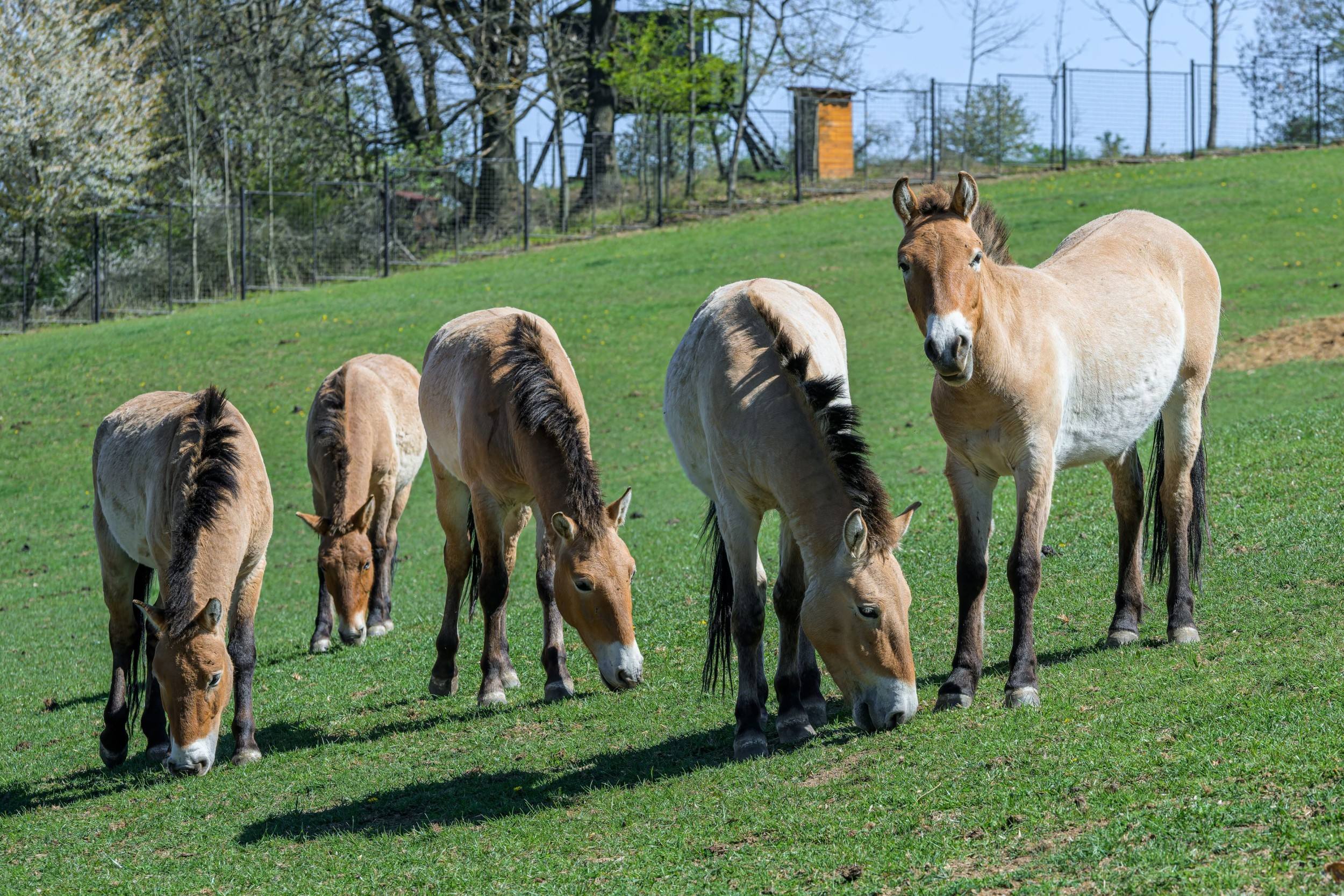
Five candidates for transport in a group photograph. From left: Claudius, Victor, Amadeus, Kaan and Willi. Photo: Petr Hamerník, Prague Zoo
Upon arrival, the horses will first be released into acclimatisation enclosures at the Alibi reintroduction centre in the Altyn Dala region of central Kazakhstan. A few days later, the same procedure will follow for a second transport from Tierpark Berlin.
If the animals become agitated, keepers calm them with hay. They are also regularly given water. Photo: Petr Hamerník, Prague Zoo
ZOOPRAHA.CZ
Contacts
- The Prague zoological garden
U Trojskeho zamku 120/3
171 00 Praha 7
Phone.: (+420) 296 112 230 (public relations department)
e-mail: zoopraha@zoopraha.cz
Others