Residents & More
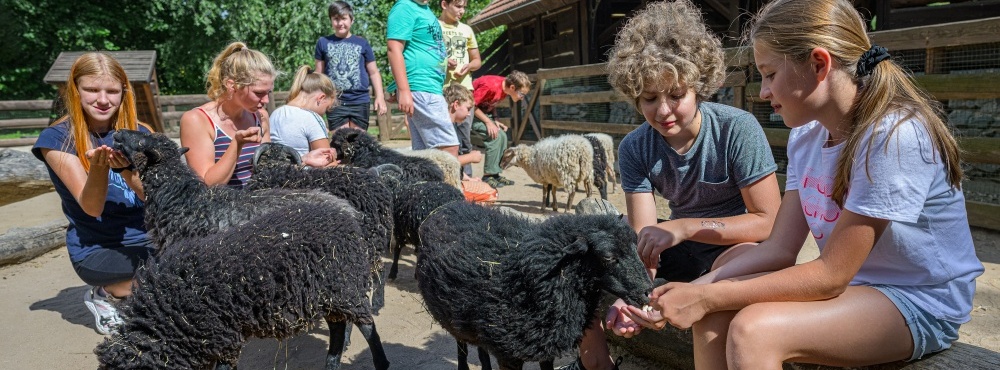
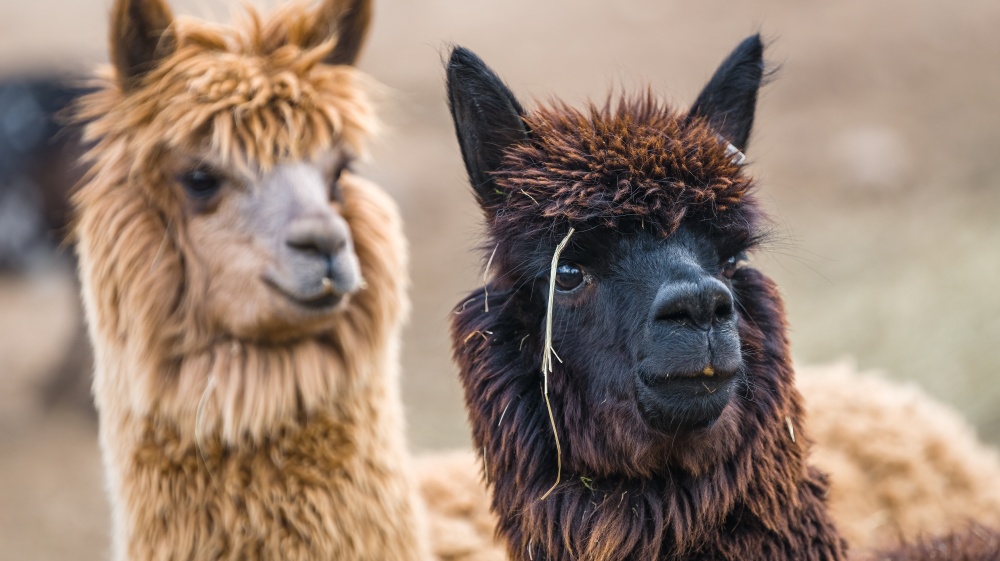 Most of us have a knitted sweater, scarf or gloves at home. But do you know where the natural fibres used to make such garments come from? They are obtained from the coats of certain animals, either by shearing or by...
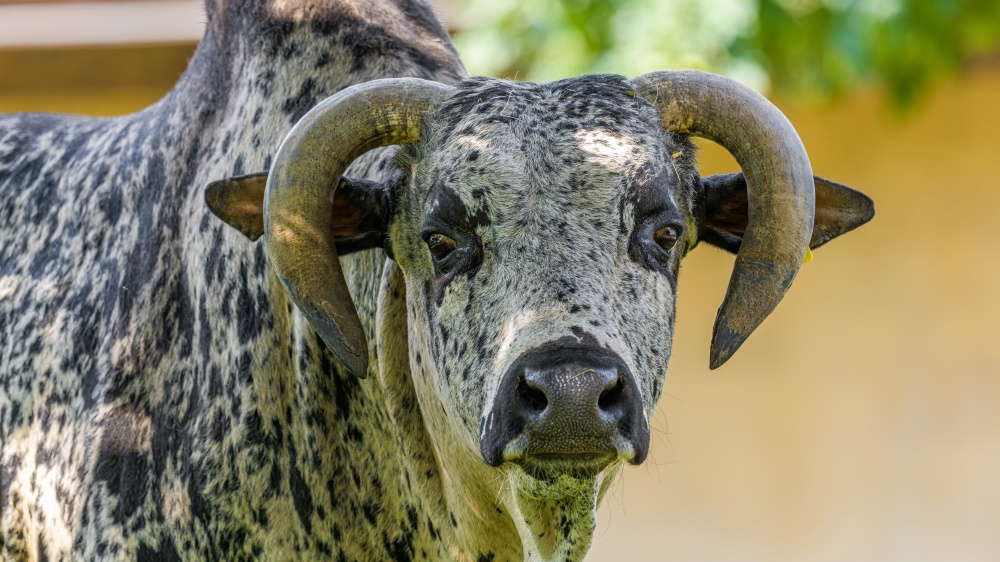 The familiar European cows belong to the species known as domestic cattle. There are, however, several other species of large domestic bovines, including zebu, water buffalo and yak. Let us take a...
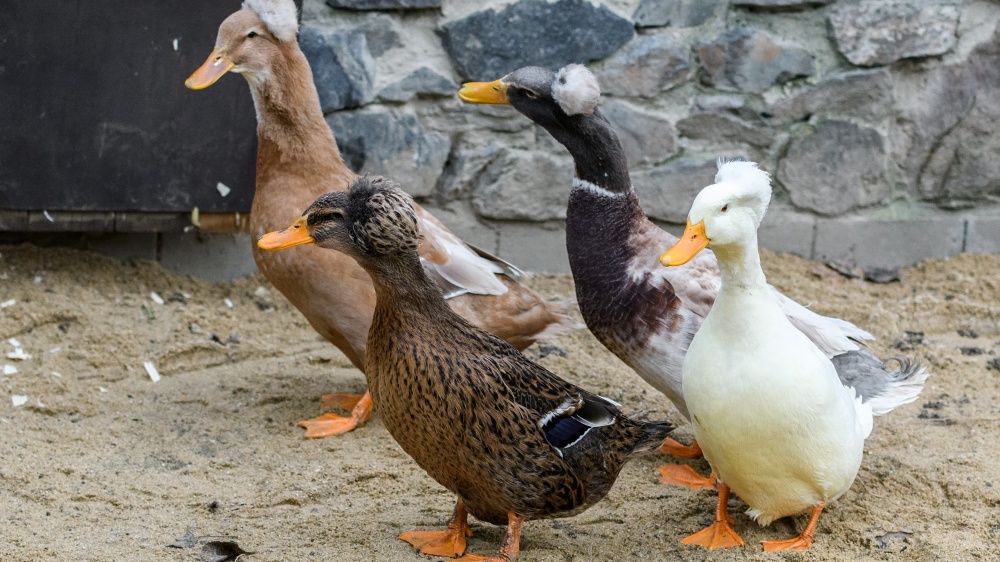 Ducks spend most of their time near water, where they search for food and raise their young. They are not fussy feeders, are easy to care for, and provide tasty, fatty meat and eggs. For this reason, they are the most commonly kept waterfowl, and in some parts of Asia they are even...
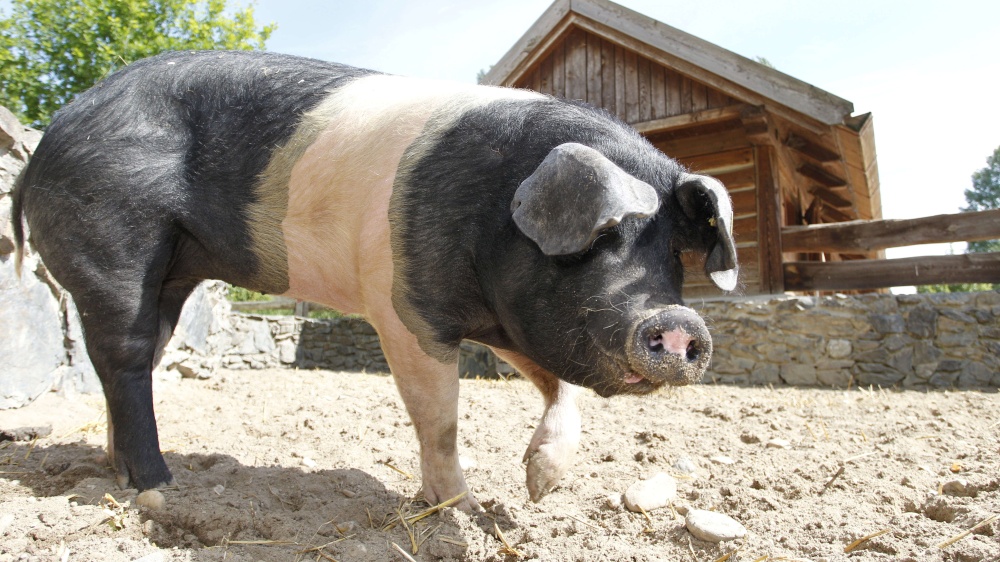 Pigs are kept primarily for their meat and fat. However, their hooves, bristles, skin and many other parts of the body are also used in the manufacture of a wide range of products. Few other animals have such a...
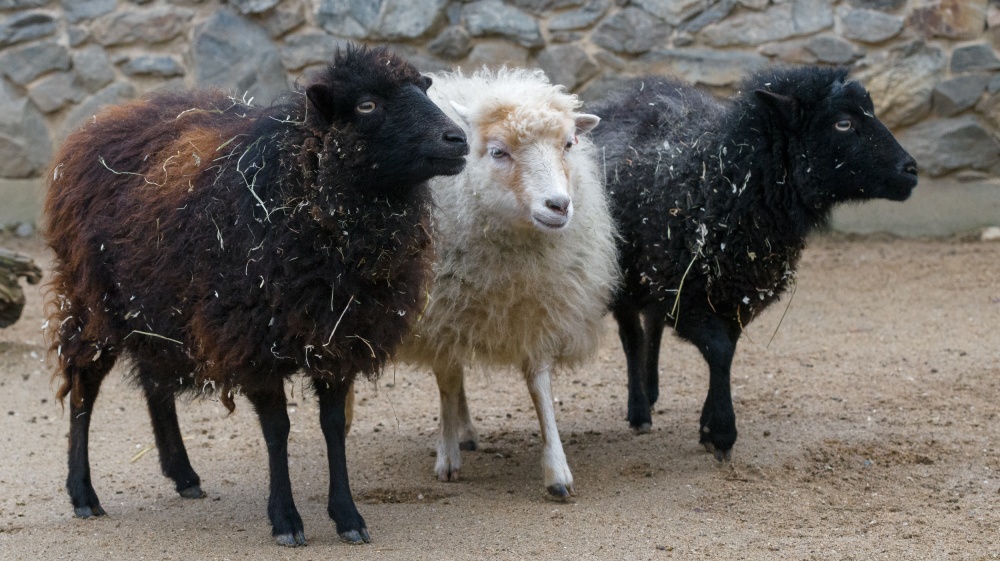 People keep sheep for wool, meat and milk—and have created hundreds of different breeds. Some have four horns, others long drooping ears, and some a strikingly fat tail. Here we present a small cross-section of this remarkable diversity and the reasons why sheep are...
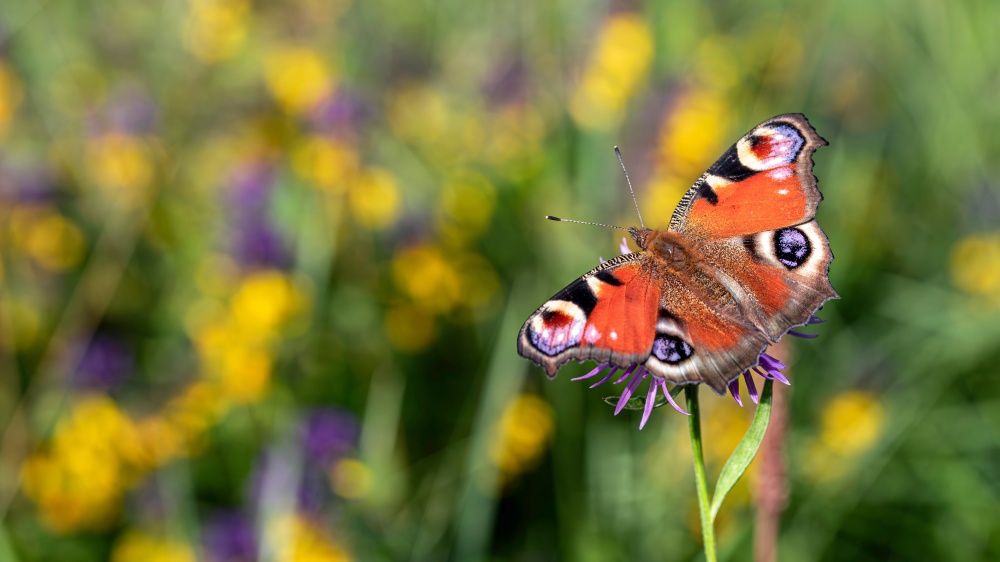 Insects play an irreplaceable role in nature. They can also be very beneficial to humans—whether by pollinating fruit trees and other crops or by helping to control plant pests. Yet the number of flying insects has declined significantly in recent decades. Let’s...
 You’ll find birds everywhere—in forests, gardens, meadows, by ponds and even in cities. You might think there are only a few species around where you live, but if you pay closer attention to your surroundings, you’ll soon find out this is...
 Do you love nature and would like to support the birds around you? There are many ways to help—and even the smallest effort counts! Below you will find tips on how to help birds, as well as advice on how to avoid harming...
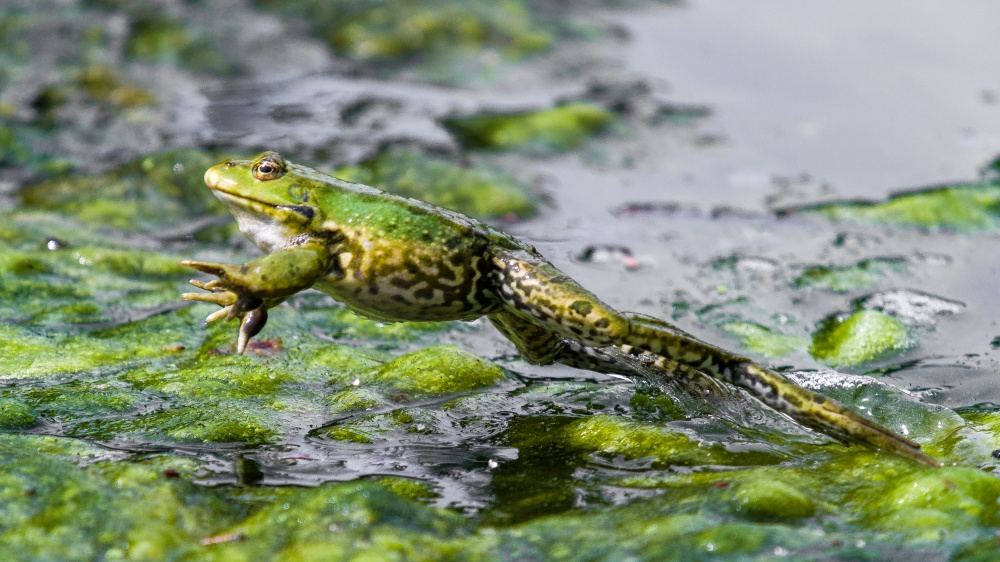 Various water bodies, such as those found throughout the zoo grounds, provide suitable habitats for wild amphibians. At least during the breeding season in spring, they seek out water—and this is when they are...
Menu
Social networks