Secrets of Wool

Most of us have a knitted sweater, scarf or gloves at home. But do you know where the natural fibres used to make such garments come from? They are obtained from the coats of certain animals, either by shearing or by combing out their hair.
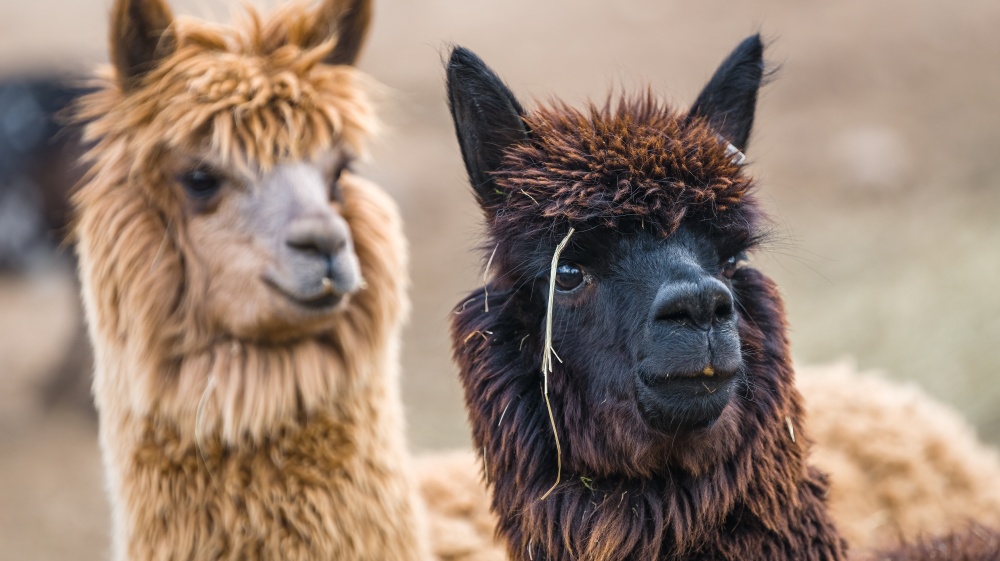
Photo: Petr Hamerník, Prague Zoo
From Sheep to Rabbits
Wool from sheep is the most common, but fibres from other animals can also be processed. These include long-haired goats, rabbits, alpacas, llamas and camels. And there’s more: even owners of long-haired dogs can have yarn spun from the fur of their furry companions…
Natural animal fibres can be used not only for knitted garments, but also for coats, jackets, warm socks and insoles, as well as blankets, carpets and rugs. They can even be used as insulation in houses and aeroplanes, or as fertilisers!
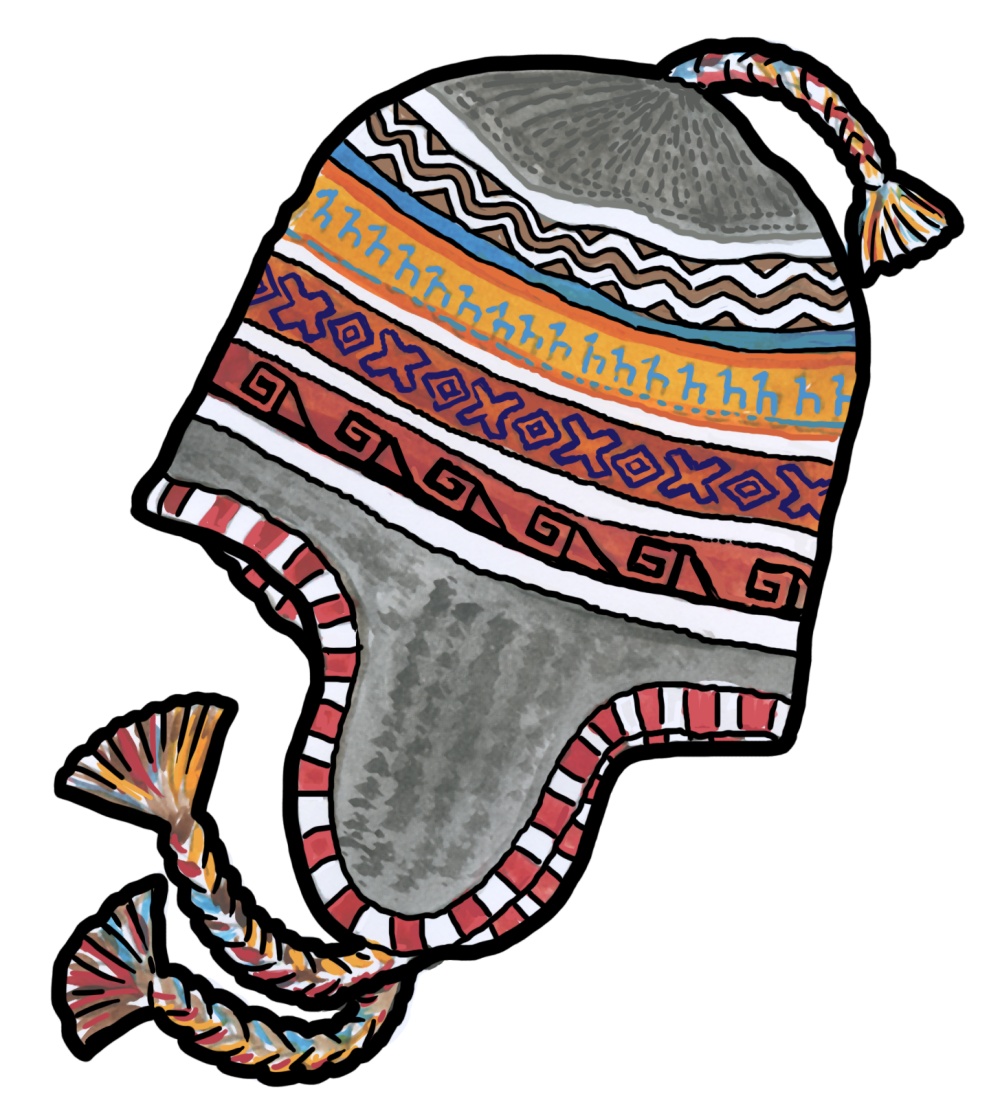
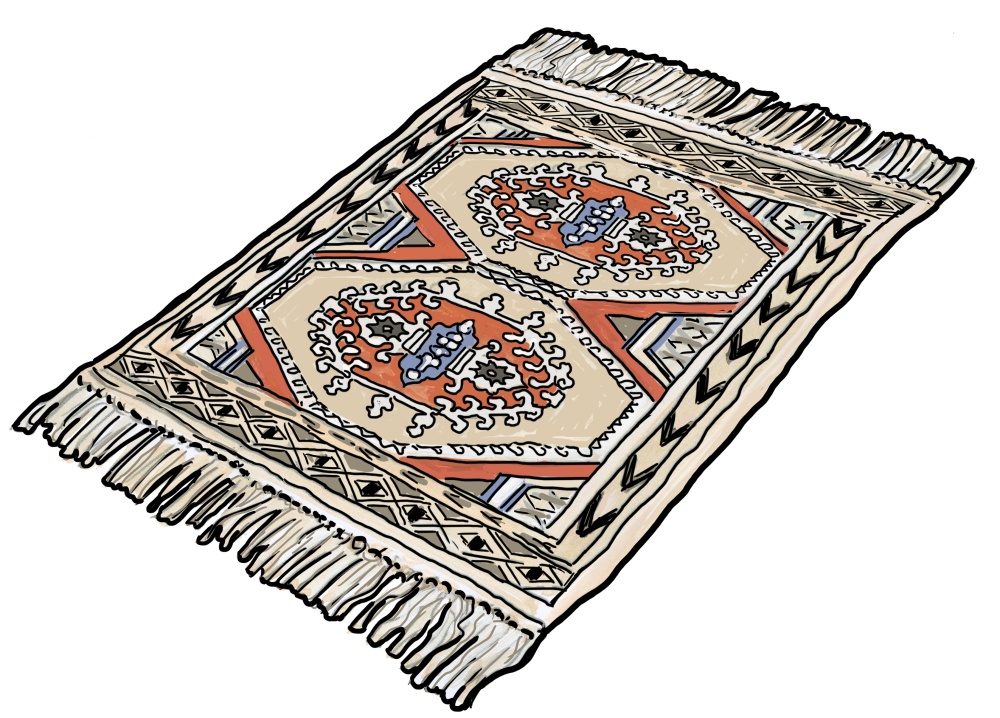
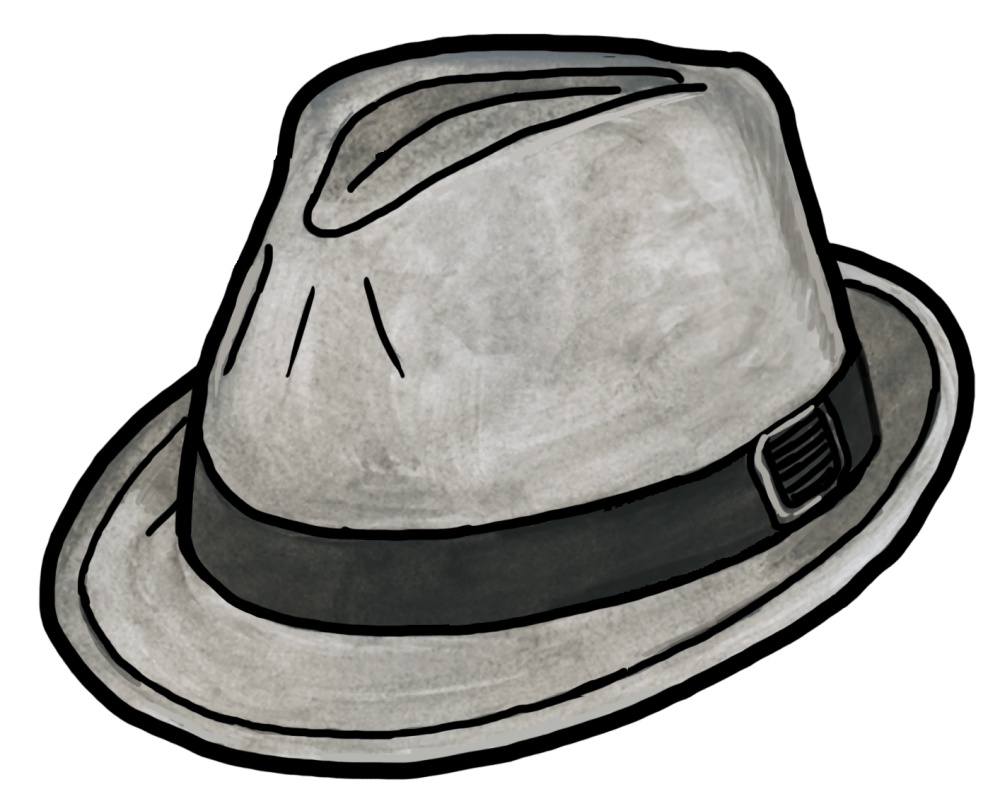
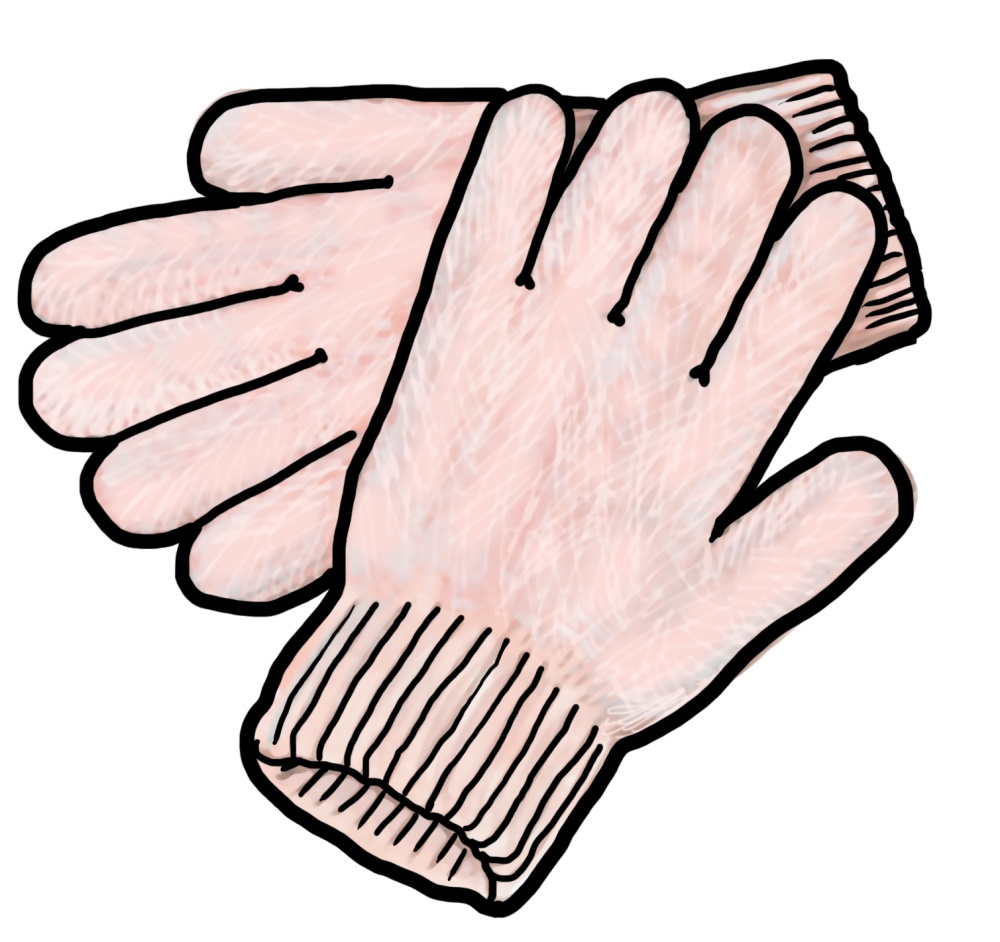
Illustration: Ivana Hanzlíková
Sheep
Sheep’s wool is one of the oldest textile fibres in the world: woollen fabrics were already being produced at least 8,000 years ago. Today, most wool comes from China and Australia, although New Zealand, South Africa and Argentina are also major producers.
There are many different types of wool, each suited to different uses. The finest is Merino, which, unlike other types, does not itch. It is used, for example, for functional clothing: unlike synthetic materials, it does not feel cold even when damp with sweat. It also resists odours, repels dirt and provides excellent insulation, although it is less hard-wearing.
Most other types of wool can feel itchy, may shrink if not cared for properly and tend to felt. Even so, they have many uses, as felting is not necessarily a disadvantage. In fact, it allows wool to be used to make felt hats, traditional forestry or military uniforms, felt insoles, insulating strips for water pipes, as well as the felt decorations so popular today.
Wool can also be used as an environmentally friendly natural insulation material, suitable for insulating façades, floors and ceilings. It performs well in humid conditions, as it does not become mouldy and allows water vapour to pass through more readily than polystyrene. It can also be processed into pellets and used as a natural fertiliser. Another surprising use of wool is that keratin can be extracted from it through hydrolysis; this is then added to hair-care products to strengthen hair and protect it from split ends and breakage.
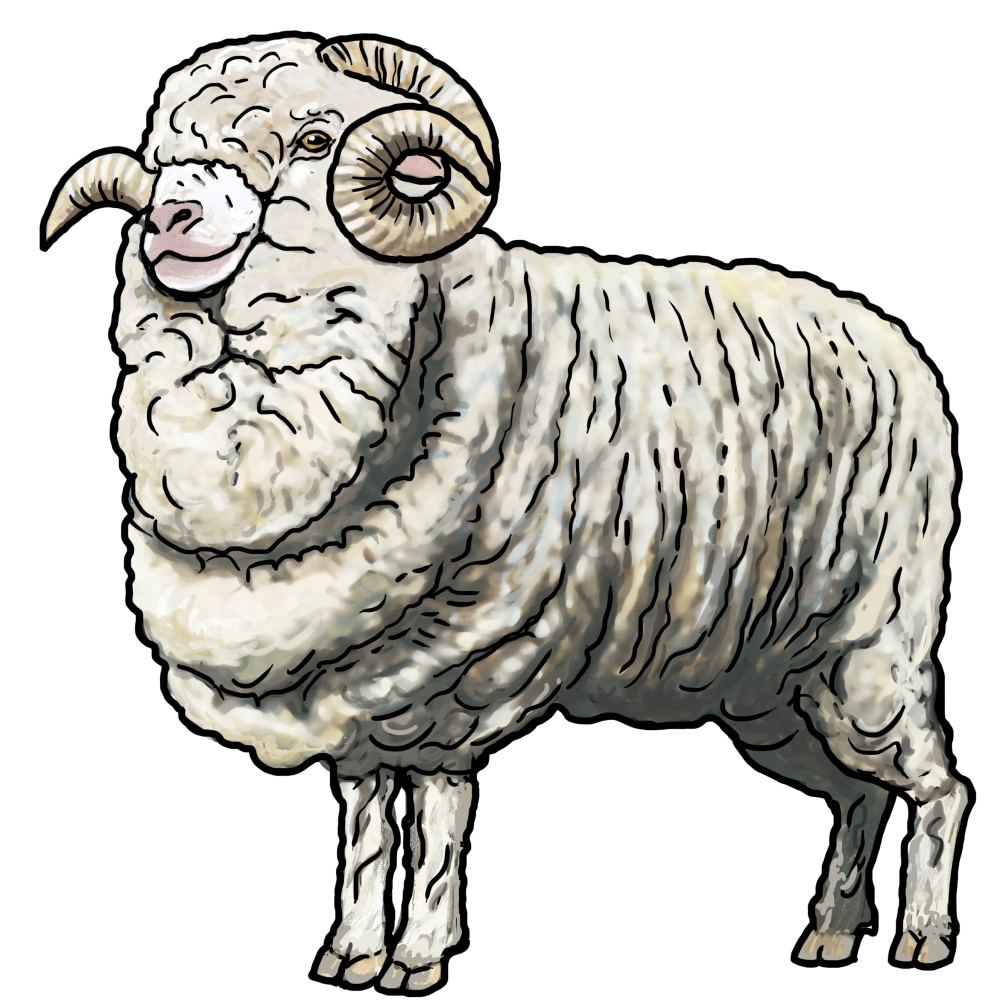
Illustration: Ivana Hanzlíková
Goats
Long-haired goats were not traditionally kept in Czechia. Around the world, however, there are breeds with long or even curly coats similar to those of sheep. Fabrics made from their fibres are soft, lightweight and warm.
Angora goats, originally from Anatolia in Turkey but now bred mainly in South Africa, produce three to six kilograms of Mohair per year through shearing. This durable, non-pilling fibre is popular for cardigans, sweaters, lace tops and knitted hats. It is elastic, breathable, takes dye well, has a distinctive sheen, does not shrink and does not absorb odours, so it does not need to be washed as often.
Cashmere is obtained from Cashmere goats, found from Nepal through China to Mongolia (and nowadays also in large numbers in northern Australia), by combing out the soft undercoat or collecting it during spring moulting. However, the yield is low—no more than 250 to 500 grams per animal per year—which makes it very expensive. Cashmere goats are not a single breed but rather a group of breeds adapted to local conditions. Cashmere is mainly used to produce luxury jumpers and pashminas (cashmere scarves). A single standard-sized jumper requires fibre from three to five goats.
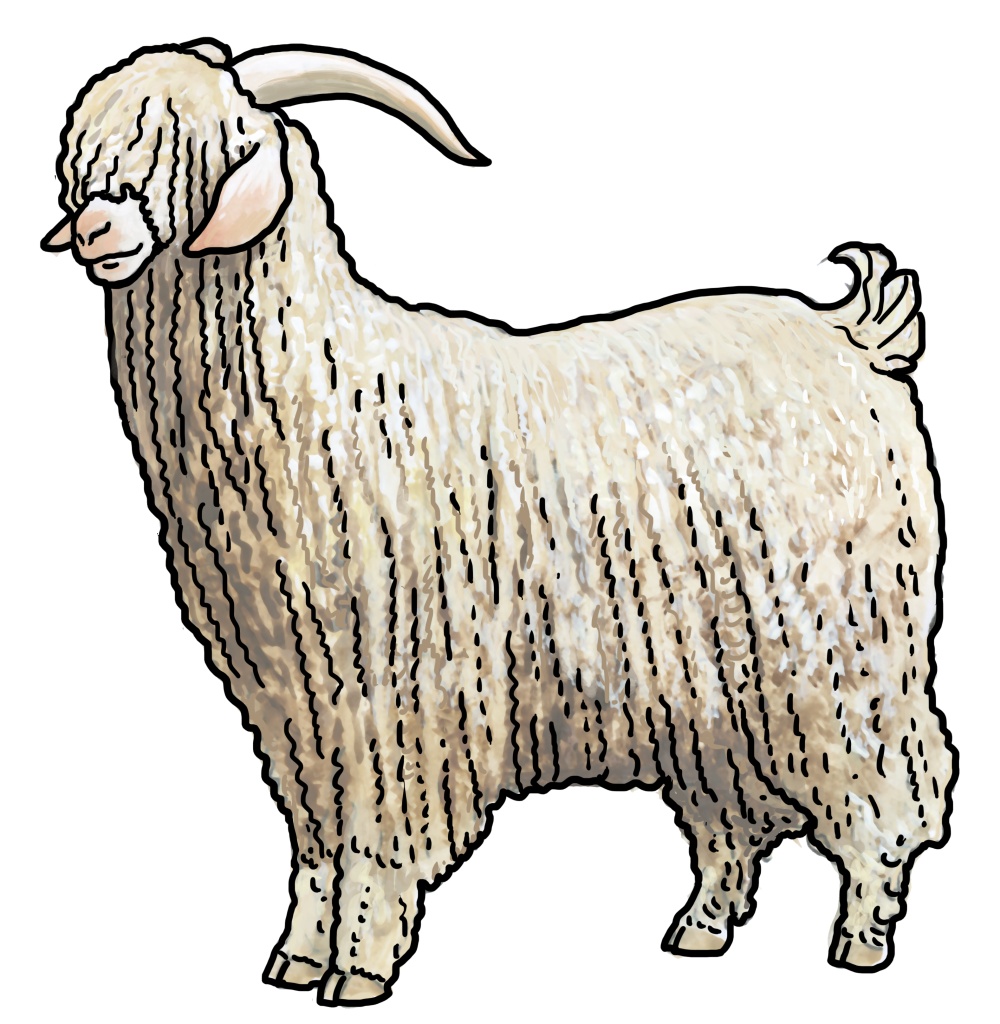
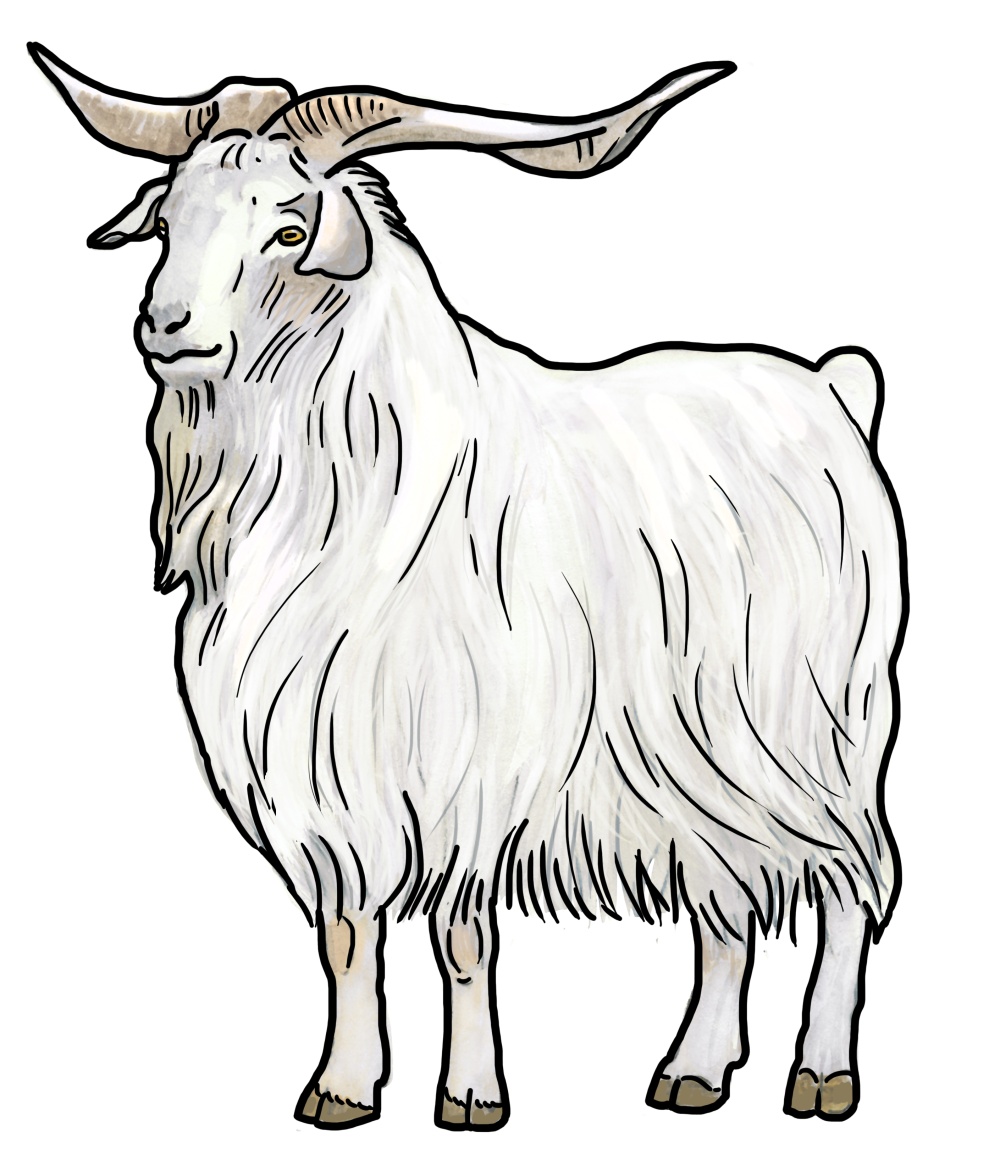
Angora goat (left) and Cashmere goat (right). Illustration: Ivana Hanzlíková
Rabbits
Long-haired Angora rabbits were a common sight in Czech households a hundred years ago. Today, most Angora comes from large-scale farms in China. The shorn coats of these rabbits produce Angora—one of the finest animal fibres. Garments made from it, however, tend to shed fibres, may shrink when washed and easily become statically charged, creating a soft “halo” effect For this reason, pure Angora is rarely used; more commonly, it is blended with wool.
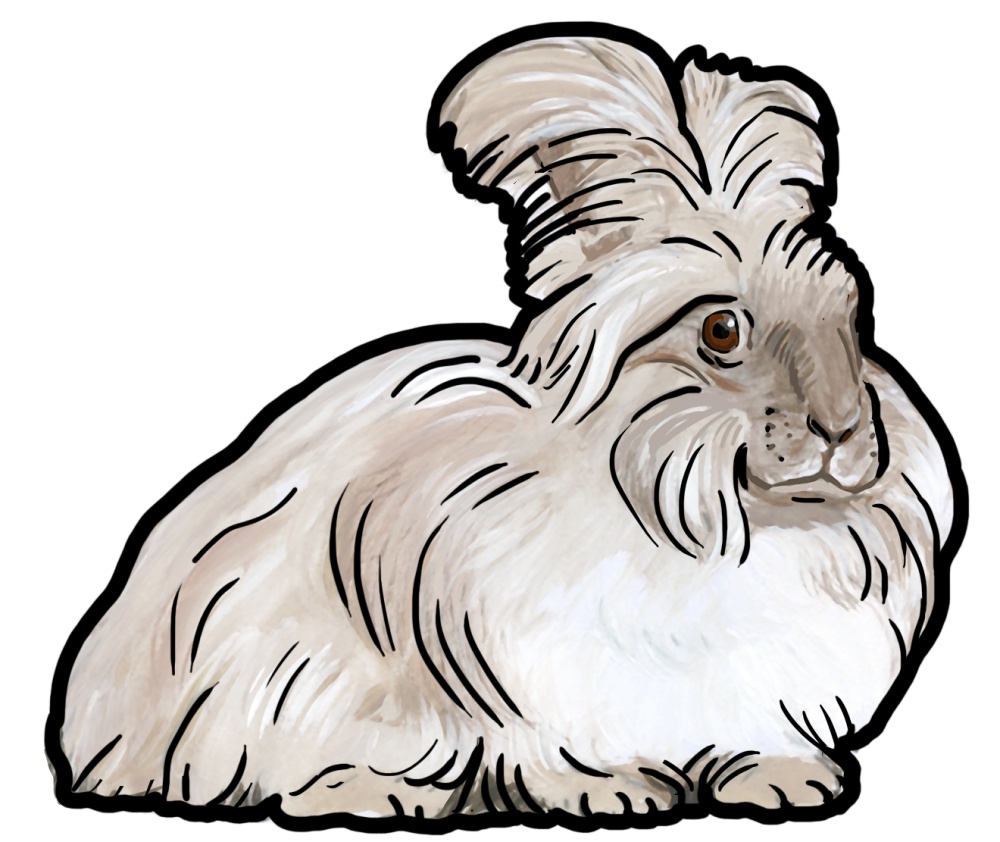
Illustration: Ivana Hanzlíková
Alpacas
By shearing them annually, three to five kilograms of fibre per animal can be obtained. Alpaca fibre is exceptionally fine and soft, similar to Cashmere. As it does not itch, it is suitable even for garments worn directly against the skin. It does not pill and is water-repellent: if liquid is spilled on an upholstered surface made from Alpaca fibre, the moisture remains on the surface and can be absorbed with a paper towel.
Interestingly, Alpaca fibre not only keeps you warm but also protects against heat, making it suitable for year-round wear. As it does not readily absorb odours, garments do not need frequent washing—airing them is often sufficient. One drawback, however, is that Alpaca fibre can lose its shape when wet. It should therefore be hand-washed, not wrung out, and dried carefully to prevent stretching.
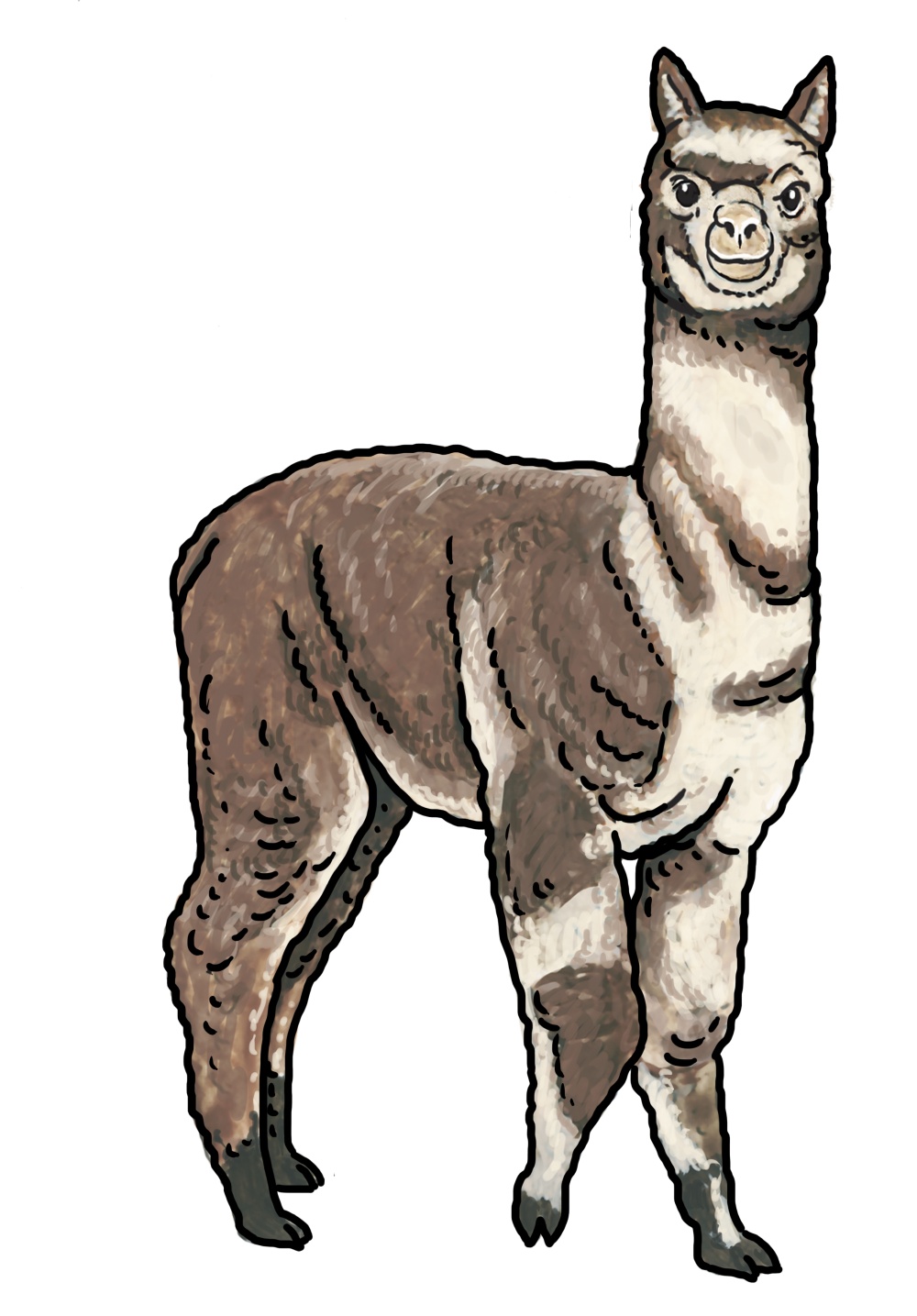
Illustration: Ivana Hanzlíková
Camels
Camel hair is collected from domesticated Bactrian camels during moulting, with up to five kilograms obtained from a single animal each year. It is one of the most expensive textile fibres in the world. It is fine, soft and much lighter than wool. Like Alpaca, it keeps you warm in winter while also protecting against heat in summer. It is also highly breathable, so it helps prevent overheating.
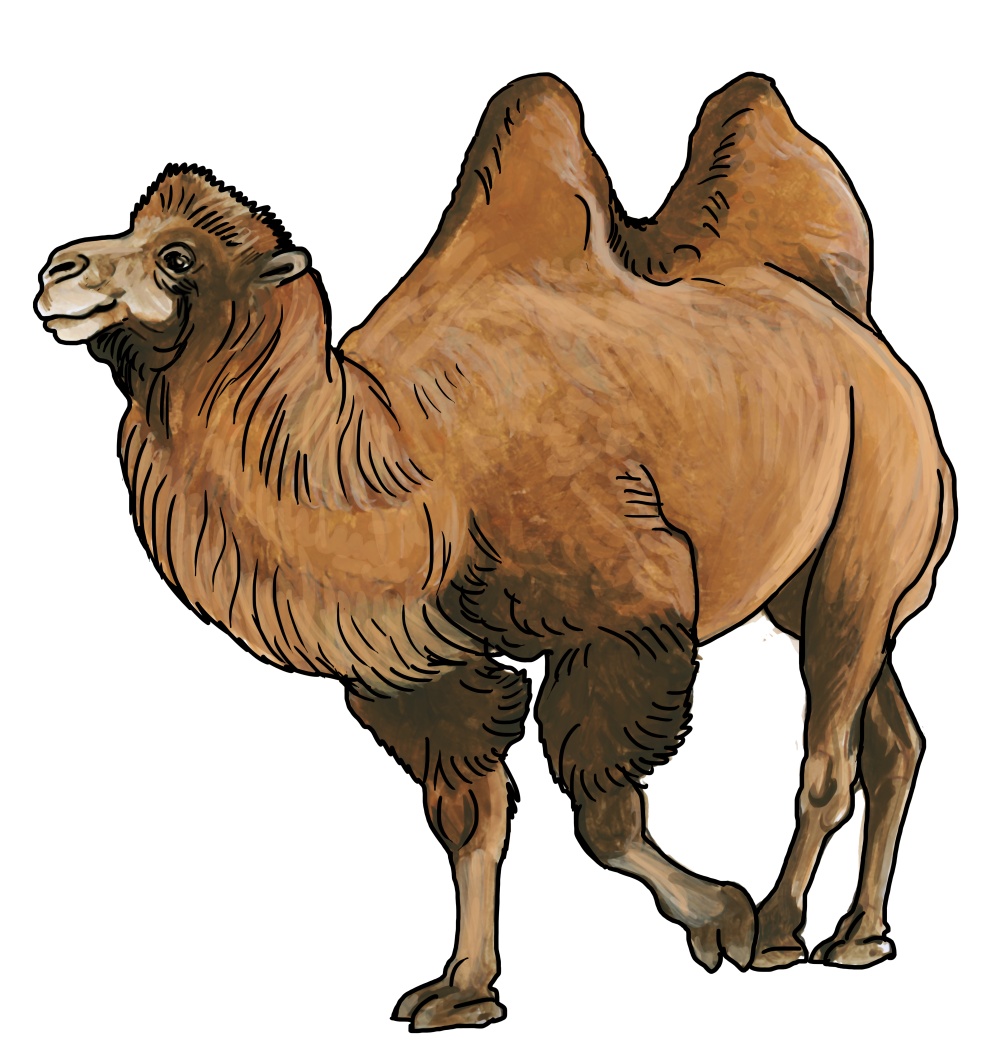
Illustration: Ivana Hanzlíková
Shearing and Wool Processing
Wool from woolly sheep breeds must be shorn regularly (sometimes several times a year); otherwise, it grows too long and becomes uncomfortably heavy. Some specialised breeds can produce up to 18 kilograms of wool per year! An experienced shearer can clip a sheep in just two to three minutes using electric clippers. Hand shearing (also called blade shearing) with specialised scissors takes longer—from ten to forty minutes, depending on skill. However, this method leaves a longer coat, providing the animal with some protection against the weather instead of leaving it exposed.
The shorn wool comes off in one large sheet, called a fleece. The best-quality wool comes from the shoulders and sides of the sheep, while wool from the belly and tail is of lower quality—shorter, coarser and often heavily soiled.
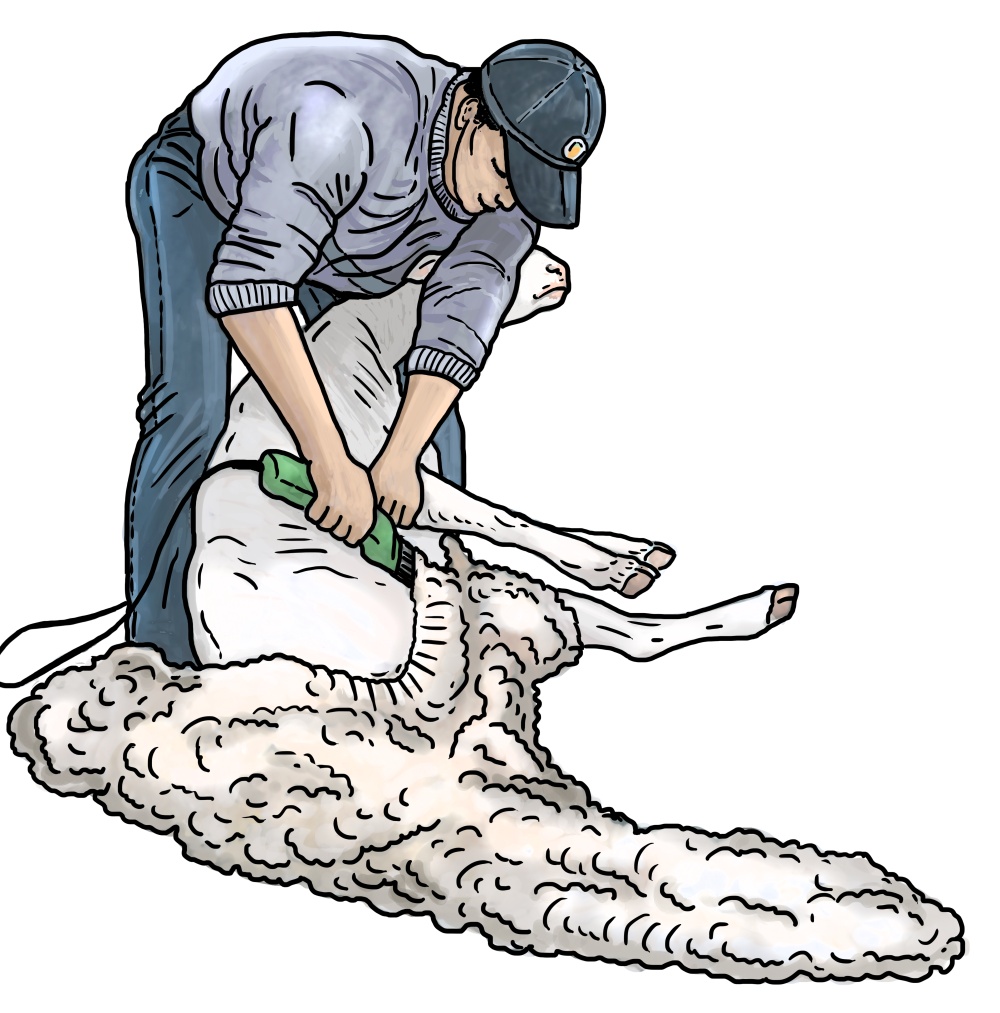
Illustration: Ivana Hanzlíková
After shearing, the wool must be sorted by quality, washed (scoured) to remove the bulk of contaminants from the raw fibre, and gently dried. It is essential to avoid sudden temperature changes during washing and drying; otherwise, the wool will felt. The dried wool is then loosened into individual fibres using sharp metal teeth or wire-covered rollers—a process known as carding or combing. This also removes any remaining straw and coarse impurities.
Carding is commonly used to process shorter, lower-quality fibres. It produces a soft, layered web of fibres. If the wool is intended for making duvets, processing is almost complete at this stage: the web is simply inserted between outer fabrics, stitched and finished. If yarn is to be produced, however, the fibres must be spun.
Traditionally, spinning was done using spindles or spinning wheels; today, it is carried out industrially in spinning mills. Woollens, produced from carded yarn, have fuzzy surfaces and are warmer than worsteds (made from fibres combed to lie parallel). Carded yarn also contains natural irregularities It is commonly used for hand knitting, or can be further processed by weaving on looms to produce fabrics such as tweed, flannel or baize.
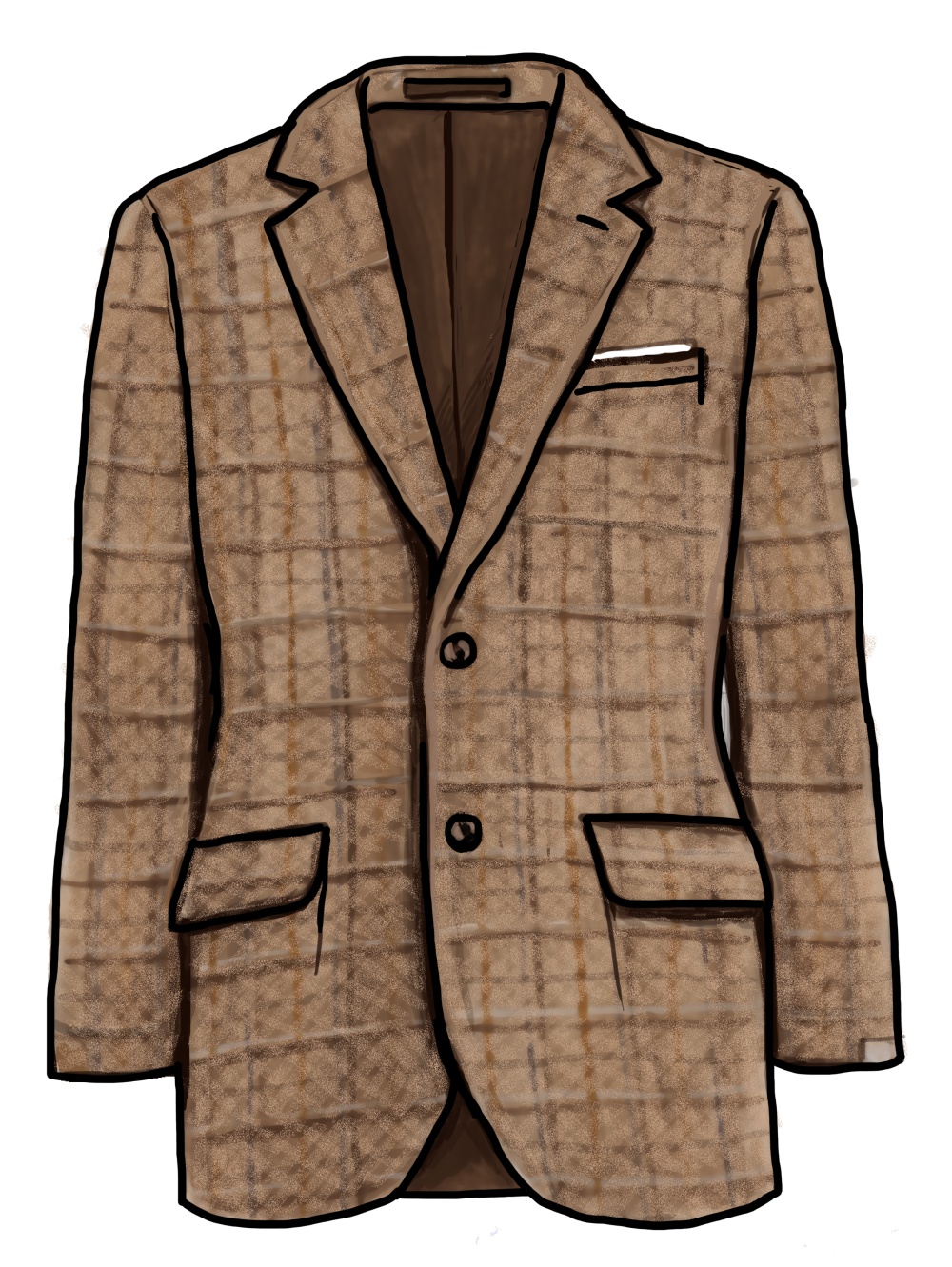
Illustration: Ivana Hanzlíková
Worsted yarn is made from higher-quality, longer fibres (short fibres are removed during combing). As the fibres are aligned in the process, the resulting yarn is stronger, smoother and more lustrous than carded yarn, and more resistant to pilling—although it is less warm. It is not commonly used for knitted garments; instead, it is employed in the production of fine woven fabrics for men’s suits and evening wear, including those suitable for tropical climates.
Menu
Social networks