Pigs

Pigs are kept primarily for their meat and fat. However, their hooves, bristles, skin and many other parts of the body are also used in the manufacture of a wide range of products. Few other animals have such a broad range of uses.
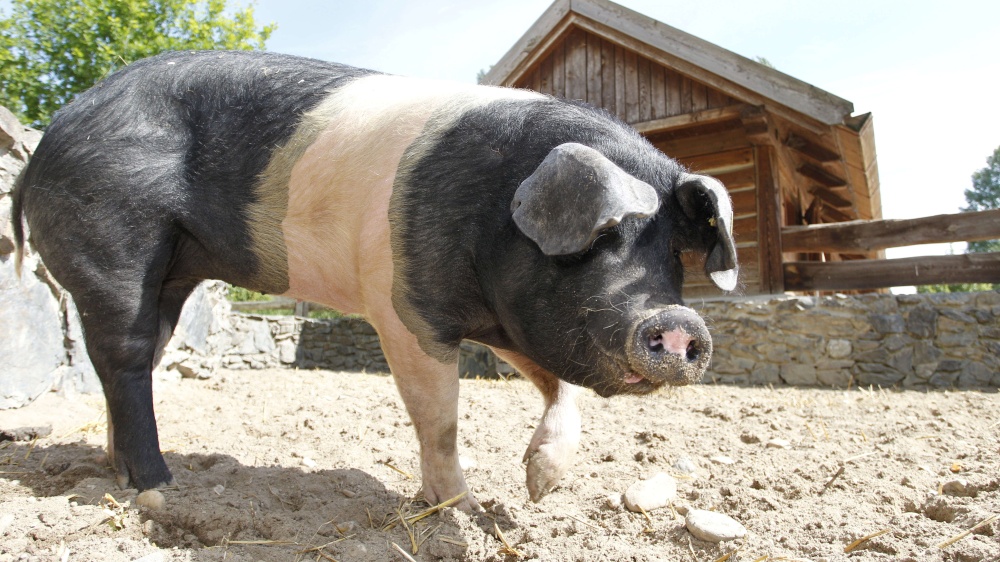
Photo: Tomáš Adamec, Prague Zoo
Meat and Fat
There are more than three quarters of a billion pigs in the world, with over half of them in China. Their meat, called pork, is the most widely consumed meat globally—more is eaten each year than poultry. This is largely due to its versatility: it can be roasted, stewed, fried or grilled, and it is also the most important type of meat for processed products, from salami and ham to sausages, frankfurters and blood puddings.
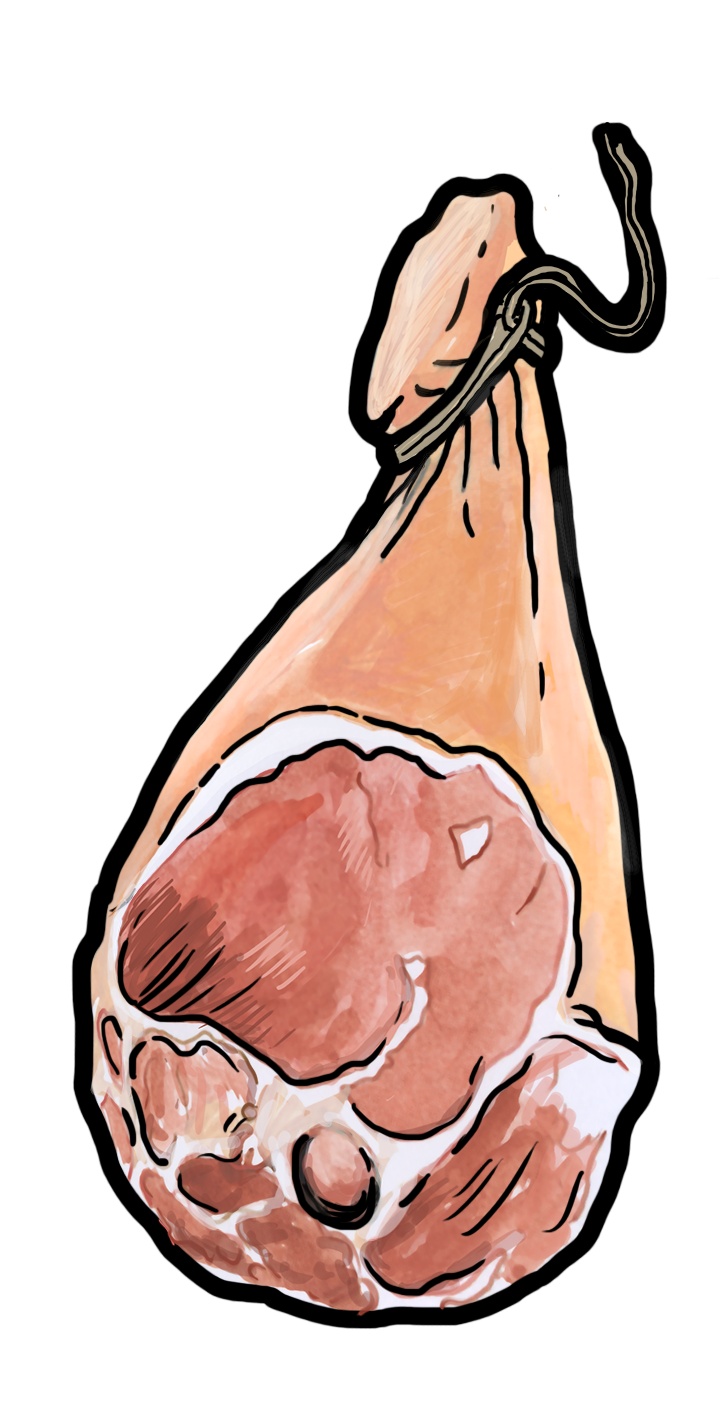
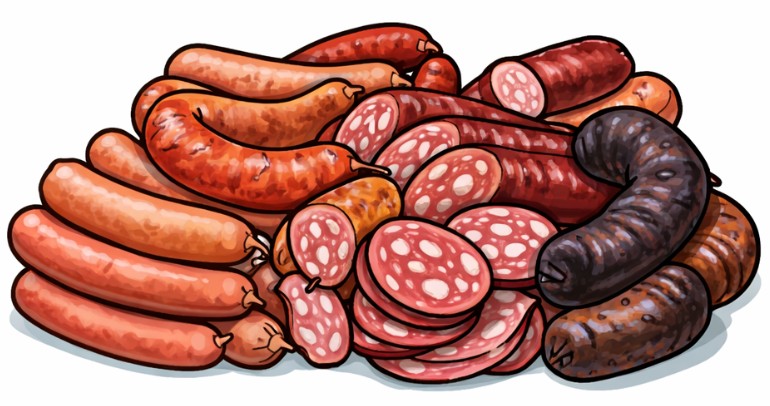
Illustration: Ivana Hanzlíková (left), ChatGPT (right)
Pig fat—lard—is also highly valued. It is indispensable as a base for many dishes and is used in cosmetics, for example in ointments and traditional bar soaps. These are made by mixing melted lard with lye (sodium hydroxide) and a small amount of water. A by-product of this process (known as saponification) is glycerine, a key raw material in the production of dynamite and other explosives containing nitroglycerine. Remember the Fight Club?
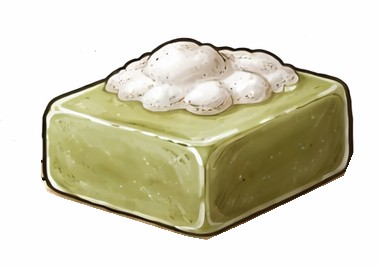
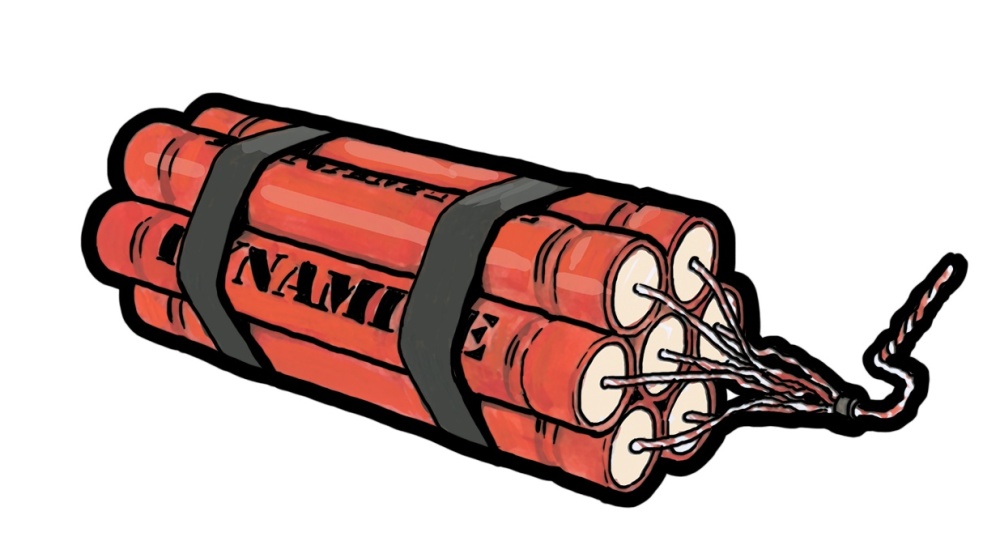
Illustration: ChatGPT (left), Ivana Hanzlíková (right)
A lesser-known product obtained from pigs—specifically from pork lard (but also from beef tallow or vegetable oils such as palm or coconut oil)—is stearic acid. In cosmetics, it acts as an emulsifier, thickener and stabiliser in body lotions, liquid soaps, shaving foams, shampoos and conditioners. It is also added to paraffin candles to make them firmer and longer-burning. It is used in the rubber industry as well, where it facilitates the processing of rubber and improves the properties of rubber products—from conveyor belts and hoses to tyres. In the food industry, it contributes, for example, to the elasticity and softness of chewing gum.


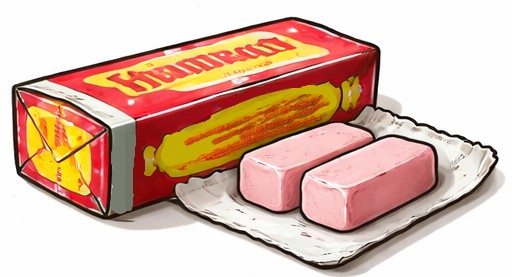
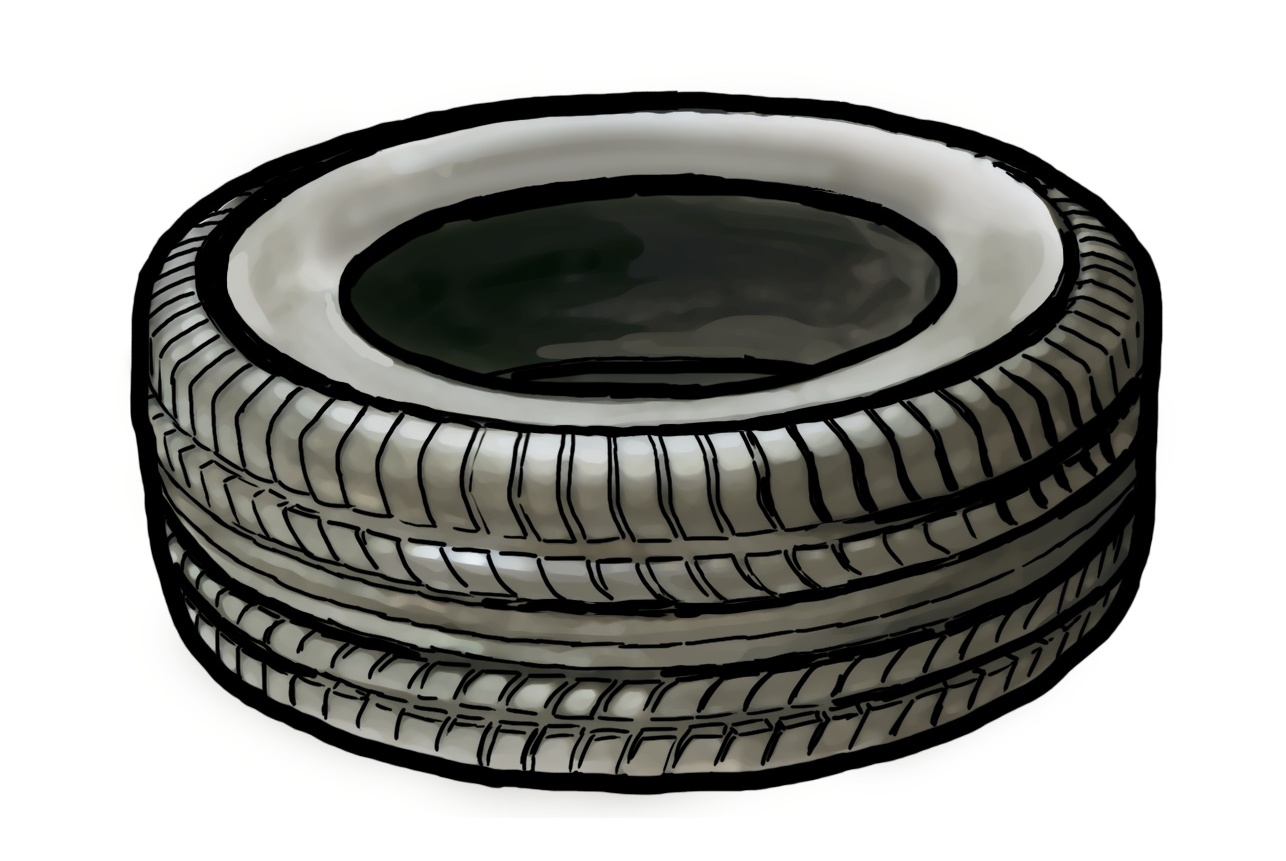
Illustration: ChatGPT (left+middle), Ivana Hanzlíková (far right)
Products From Skin and Bones
Although pigs are primarily kept for meat and fat, almost the entire body can be utilised. A well-known material is tanned pigskin. It is used to make bags, straps, linings for clothing, footwear and work gloves, as well as bookbindings. However, because of the pores left by bristles, pigskin is relatively porous and therefore less resistant to water than, for example, cattle leather. For this reason, it is not used for the outer parts of shoes but only for inner components.


Illustration: Ivana Hanzlíková (left), ChatGPT (right)
Together with cattle, pigs are an important source of collagen. Collagen from pigskin is an essential ingredient in traditional dishes such as head cheese and meat jelly, and it is also used in dietary supplements for joint support. By boiling and further processing pig (or cattle) skins, tendons, ligaments and bones, gelatine is obtained—the basis of gummy bears, marshmallows and jellies, a gelling agent in dairy desserts, and also a raw material for pharmaceutical capsules. Before the digital era, gelatine was indispensable in photography and film-making, where it served as a binder and base for the light-sensitive emulsion on film stock and photographic paper.


Illustration: Ivana Hanzlíková
Glue made from pig or cattle skins and bones has been used since ancient times in joinery, bookbinding and instrument making, as well as in traditional gilding techniques. Today it is mainly used in the restoration of antiques. Hooves may also be used to a limited extent in the production of gelatine and glue, but are more often processed into horn meal used as fertiliser. Similarly, another by-product of slaughter—blood—is processed into blood meal, a valuable source of nutrients for garden plants.
Bones, or more precisely bone ash (primarily from cattle, but to a lesser extent also from pigs), are a key ingredient in the manufacture of fine bone china. This type of china, originating in England, is renowned for its exceptional whiteness, delicacy, lustre and at the same time high strength. A characteristic feature is its partial translucency. It is mainly used for fine dining sets and tea or coffee services.

lllustration: Ivana Hanzlíková
Use of Bristles
Pig bristles are used primarily to make paintbrushes. However, they have less well-known applications as well: through the hydrolysis of pig bristles (as well as human hair and bird feathers), the amino acid L-cysteine is obtained. In the food industry, it is used as a flour improver. In the past, it was widely used in bakery products; today, due to negative publicity, it is encountered less often or is listed more generally in ingredients as a “flour treatment agent”. Some manufacturers, however, still add it to products such as sweet braided loaves, baguettes, white loaves or tortillas.

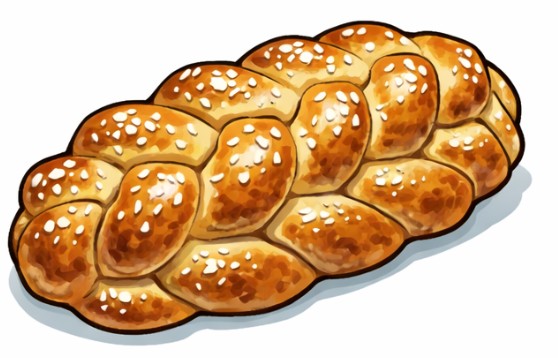
Illustration: Ivana Hanzlíková (left), ChatGPT (right)
Medicine
Pigs are also of great importance in medicine and biomedical research. They are used in the development and testing of new treatments, surgical techniques and diagnostic methods. They serve as models for studying human diseases such as obesity, diabetes and high blood pressure. Heparin, a substance used to reduce blood clotting, is obtained from pig intestines, and pig heart valves are used as biological replacements for human ones. Pig skin can be specially processed into a sterile, cell-free “xenodermis”, which is used as a temporary biocompatible covering in the treatment of burns and leg ulcers.
Pig organs are very similar to human organs in both size and function, making pigs a key candidate for addressing the shortage of organs for transplantation. Organs from genetically modified pigs have a lower risk of rejection by the human body, and experimental transplants (for example of kidneys or hearts) have already been successfully carried out in human patients.

Illustration: ChatGPT
Examples of Breeds
Hundreds of pig breeds are known, ranging from small to curly-coated to very fatty types. All are descended from the wild boar.
The Vietnamese Pot-bellied pig is a traditional Vietnamese fatty breed that was once widespread in small rural holdings. It is a black pig with a wrinkled face, a sway back and a markedly pendulous belly hanging almost to the ground. Although it grows slowly (reaching about 40 kg at one year of age), its lard was valued for both flavour and a relatively favourable fatty-acid composition. In the past, Vietnamese pigs were also popular in the Czech Republic, and as late as the 1960s there were around two million in Vietnam. Today, however, the breed is on the brink of extinction. In the 1980s, Vietnamese pigs were extensively crossbred with Western breeds in an effort to increase productivity, and purebred animals gradually disappeared from breeding stocks. Government programmes are therefore underway in Vietnam to restore this breed, which is classified as a protected genetic resource. These efforts are complicated by problems associated with inbreeding, as only a very limited number of suitable animals remain.
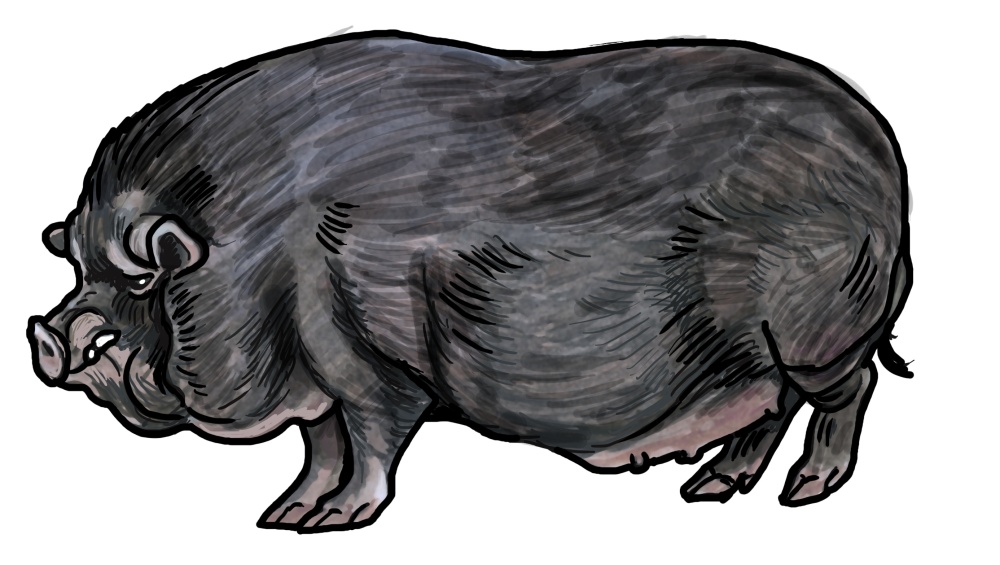
Illustration: Ivana Hanzlíková
The Prestice Black-pied pig originates from western Bohemia and is classified as a protected genetic resource. It grows more slowly than modern breeds intended for intensive meat production and has a much higher fat content, but this “uneconomic” trait is offset by the highly prized flavour of its meat, which is tender and juicy. It is hardy, undemanding and resistant to disease and stress. Its typical colouring is black with a broad white band across the shoulders and back. Its weight usually ranges from 260 to 280 kg, although some individuals may exceptionally reach nearly 400 kg.
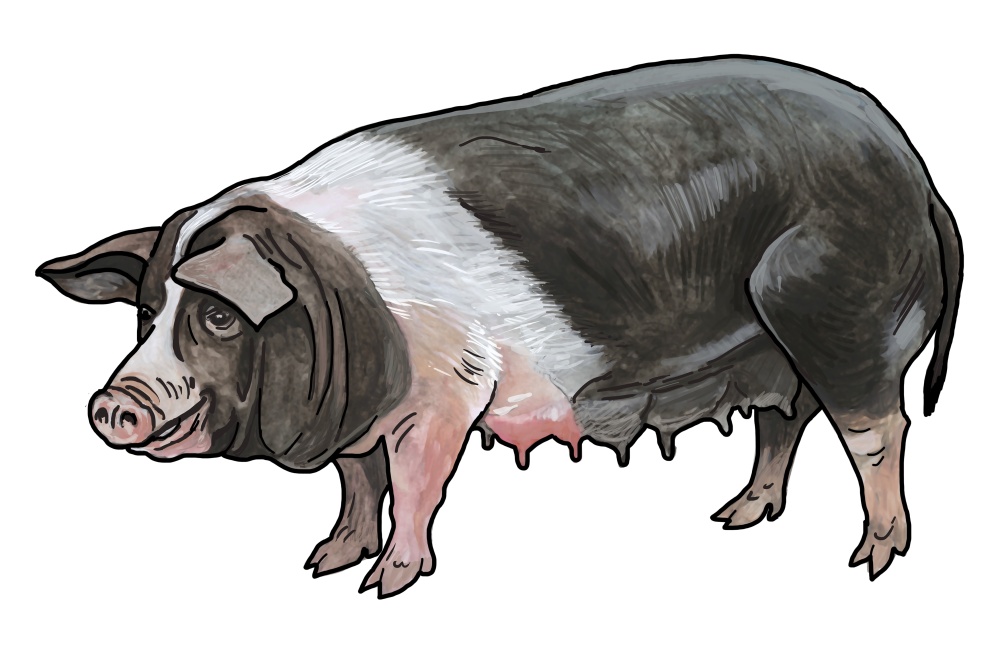
Illustration: Ivana Hanzlíková
The Mangalica pig is instantly recognisable by its curly coat. It originates from Hungary and is increasingly popular on organic farms, where it is kept outdoors all year round. It is a large breed—individuals weighing around 500 kg are not uncommon. It produces very fatty meat, traditionally used for salami, as well as high-quality lard and bacon. This breed is also often noted for a more favourable fatty-acid composition, meaning its consumption does not raise blood cholesterol levels. Interestingly, piglets are born with stripes, similar to those of the wild boar piglets.
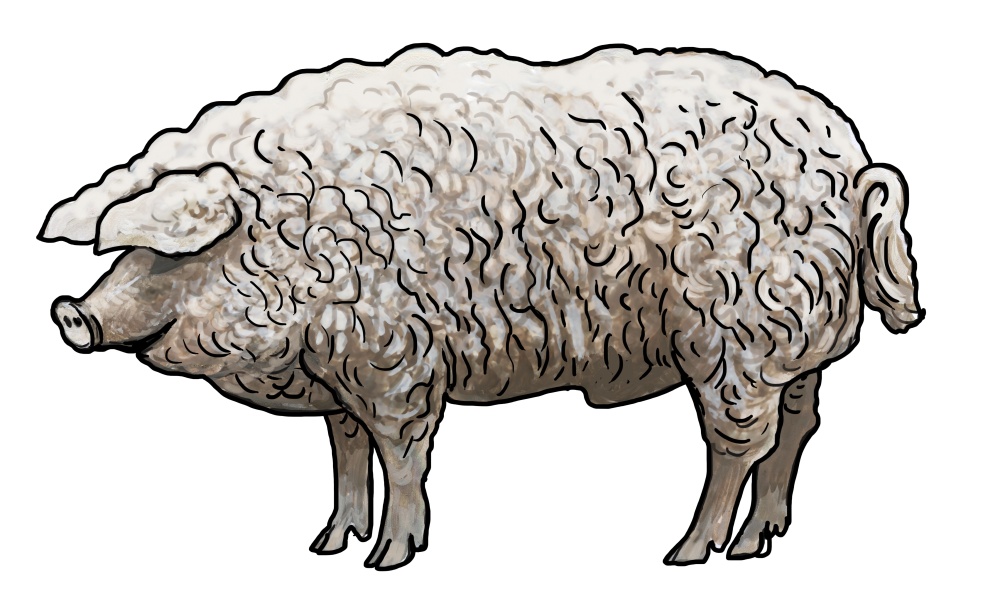
Illustration: Ivana Hanzlíková
The Göttingen Minipig was developed in the second half of the 20th century at the University of Göttingen in Germany as a laboratory animal. It is the smallest pig breed in Europe and one of the smallest in the world, with adults weighing approximately 35 to 55 kg. It is still used in biomedical research today, but has also found a role as an unconventional companion animal. It is most commonly white or black-spotted, although other colour varieties also occur.
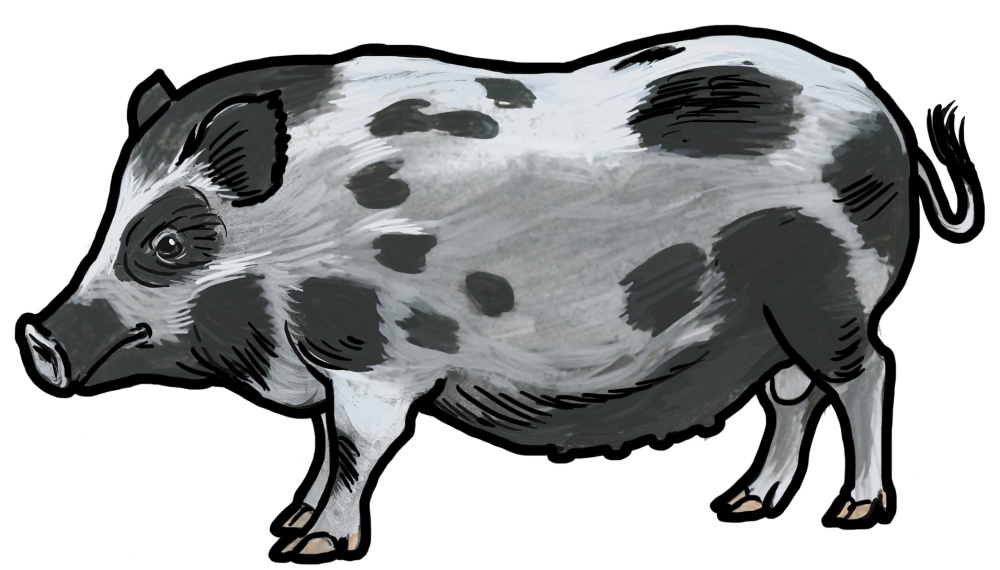
Illustration: Ivana Hanzlíková
Menu
Social networks