Different Hunters, Different Strategies
Zoo Praha | 16. 06. 2026

Shoebills, pelicans, herons, ibises and spoonbills—all of them not only live in wetlands but are also related. They share a long neck and a large bill, yet each of them has its own way of obtaining food.
Shoebill
It wades slowly through the water or stands motionless, waiting for its prey to emerge to breathe, and then strikes. Since it has a large head, a heavy, powerful bill and a shorter neck than herons, it must employ its whole body when lunging.
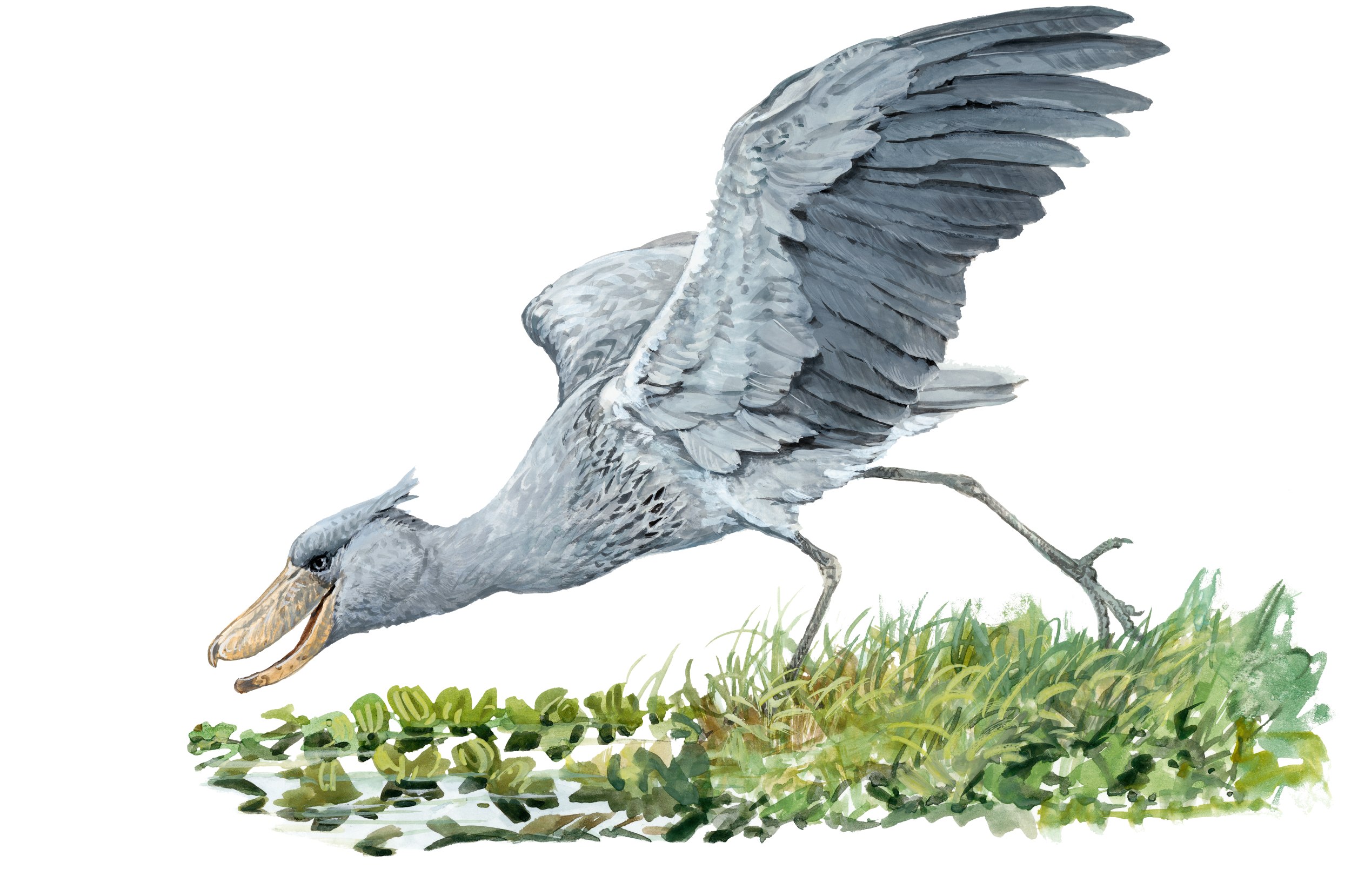
Shoebill, author: Pavel Procházka
Pelicans
They hunt using the pouch beneath their bill, which works like a fishing net. The bird scoops up water along with the fish, then expels the excess water and swallows the fish.
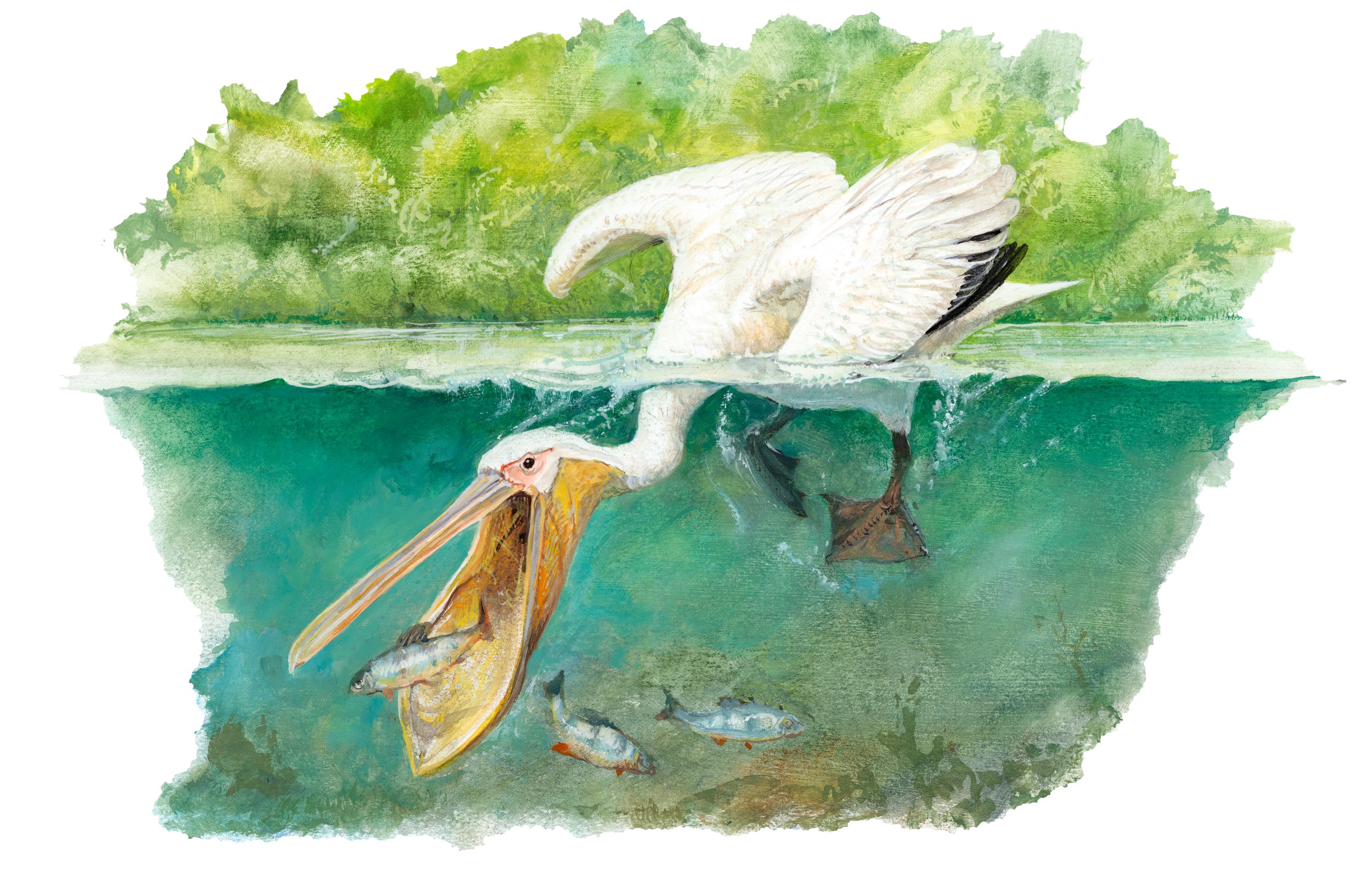
Pelikán bílý loví potravu, autor: Pavel Procházka
Ibises
They use their slender, curved bill as a probe. They repeatedly stab it into the bottom sediments or mud, and when they feel their prey, they seize it and draw it out.
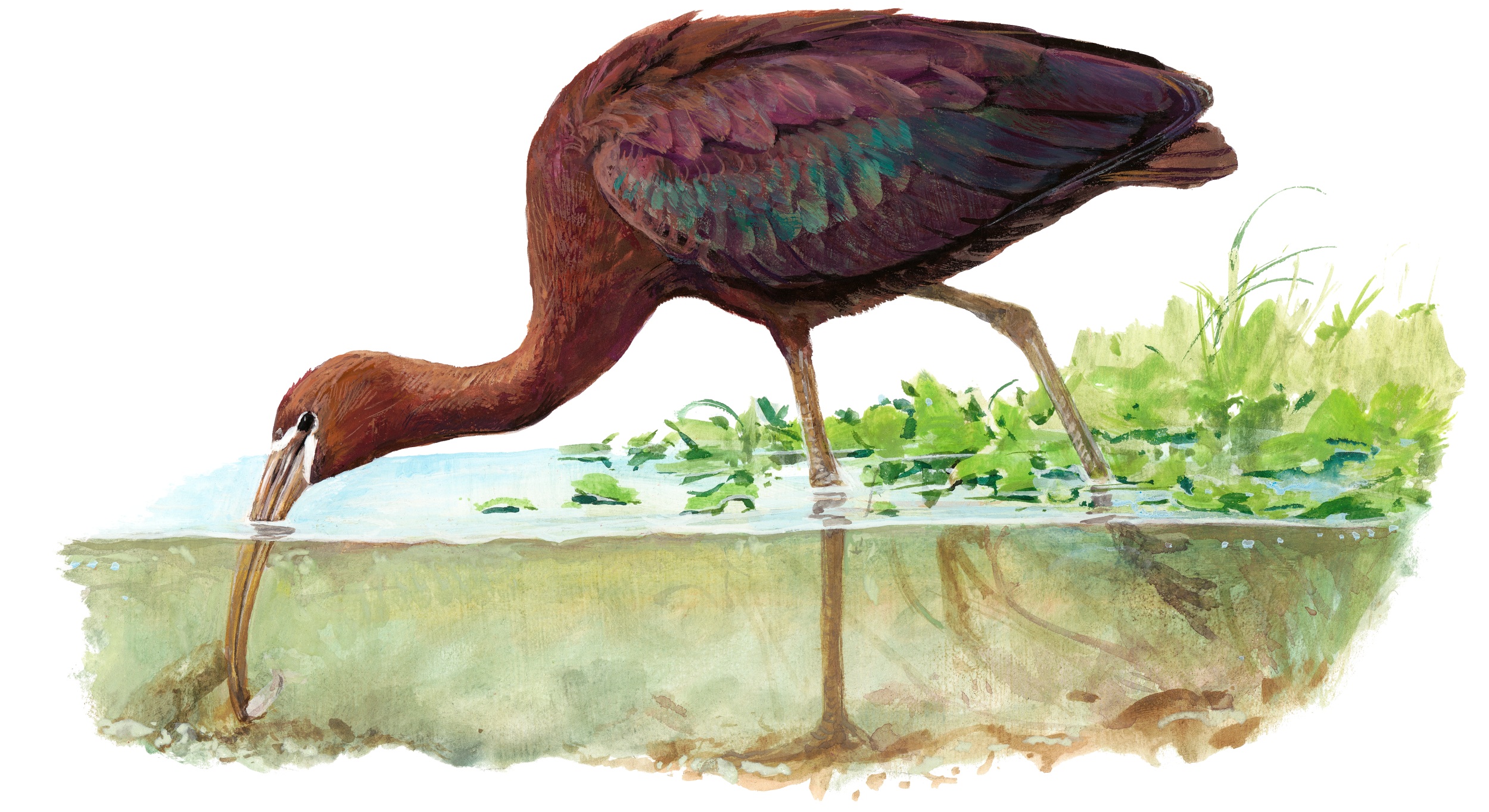
Glossy ibis foraging for food, author: Pavel Procházka
Herons
When hunting, they rely on their excellent eyesight and a rapid lunge with the bill, which acts like a harpoon. They wade slowly through the shallows or stand statue-like, stalking prey from a perch or from the water’s edge.
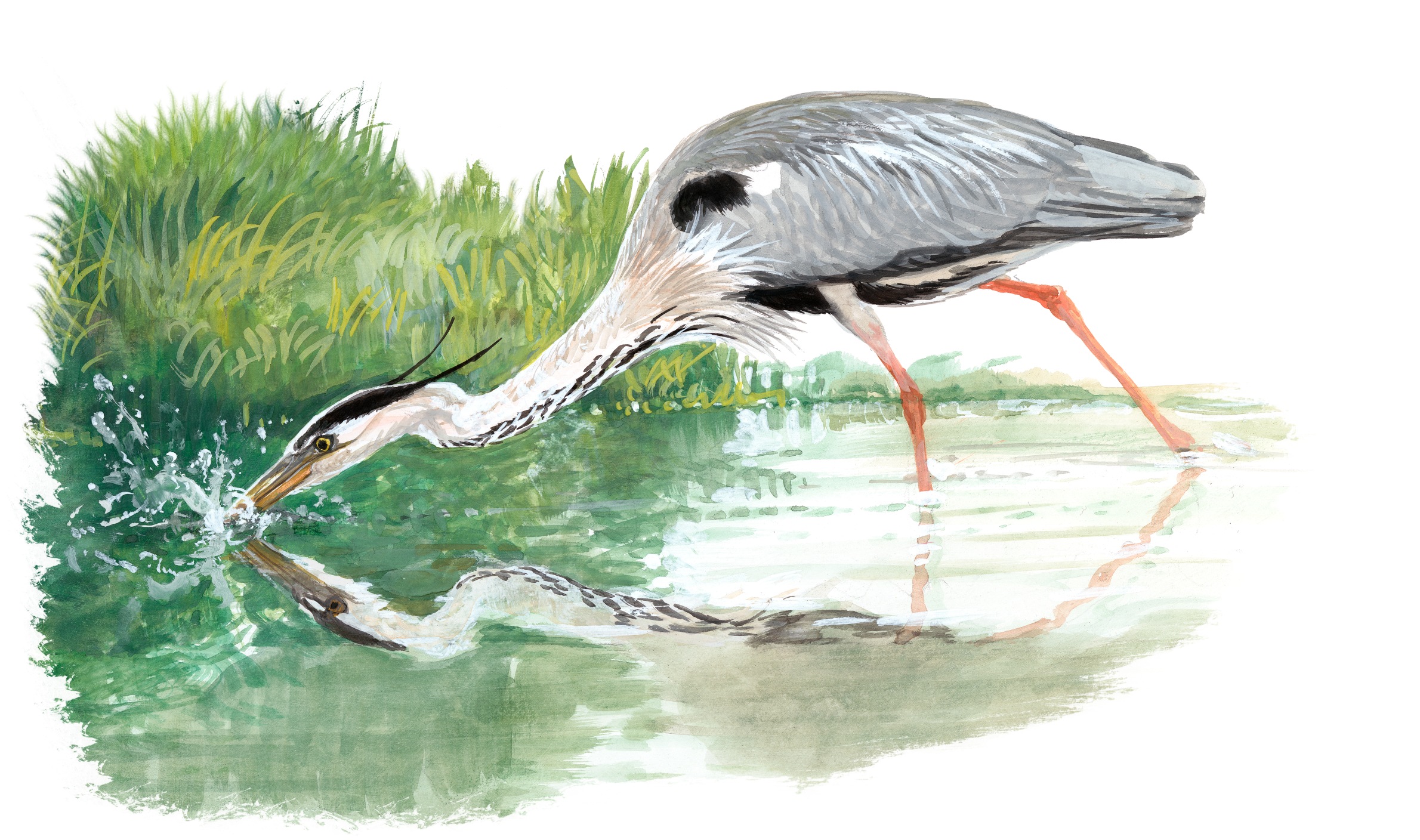
Grey Heron, author: Pavel Procházka
Spoonbills
They have a flat bill, widened and highly sensitive at the tip. They wade through the water with the bill submerged, sweeping it from side to side to feel for anything in front of them. They can find food even without seeing it.
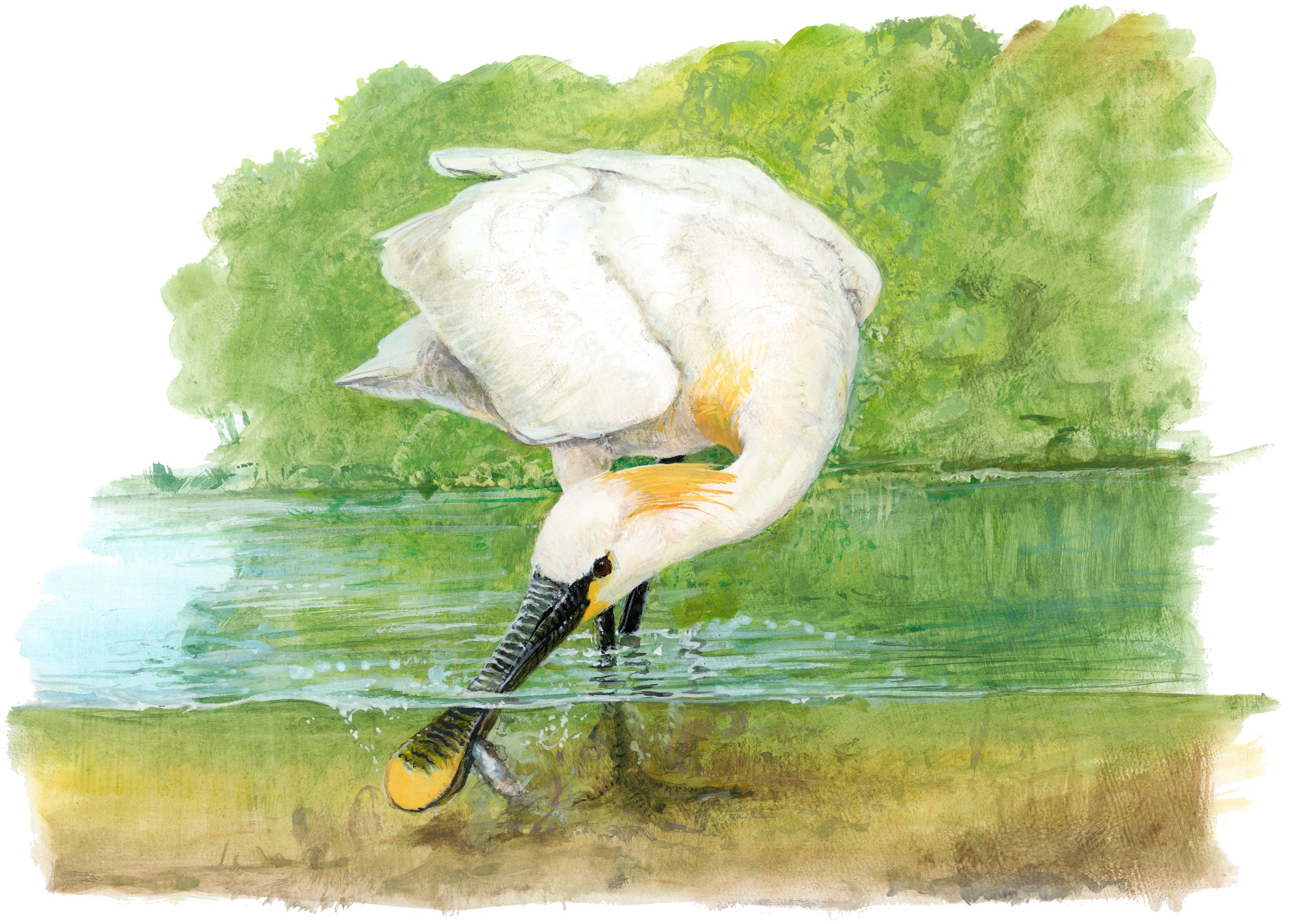
Spoonbill is foraging for food, author: Pavel Procházka
Shoebill’s menu
Shoebills feed mainly on fish such as lungfish, bichirs and tilapias. However, they do not disdain water snakes or frogs, and can even tackle small turtles and young crocodiles.
Its favourite food are LUNGFISH
African lungfish inhabit shallow, oxygen-poor waters; their gills are reduced and they breathe at the surface. They survive drought buried in the mud.
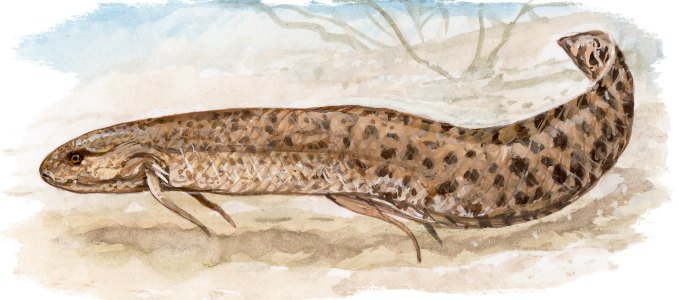
African lungfish, author: Pavel Procházka
It also enjoys BICHIRS
Bichirs are fish of rivers and floodplains. Even oxygen-poor waters do not trouble them. Over short distances, they can move about on land.
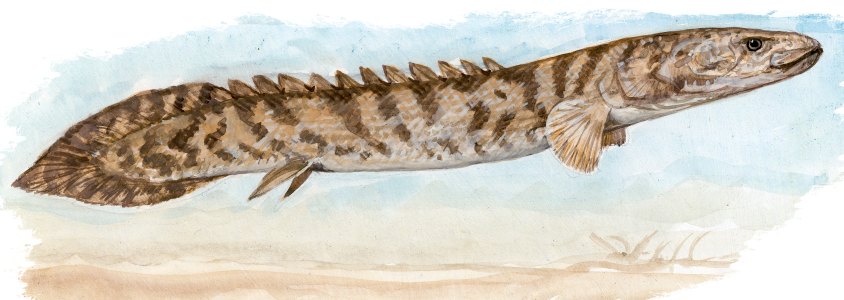
Bichir, author: Pavel Procházka
It can even subdue small CROCODILES
The Nile crocodile is, once adult, the apex predator of Africa’s wetlands, but its young make a welcome addition to the shoebill’s menu.
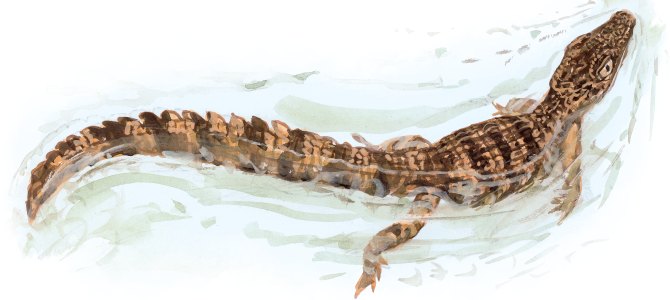
Baby Nile crocodile, author: Pavel Procházka
Menu
Social networks