Exchange of Male Elephants Between Prague Zoo and Ostrava Zoo
18. 06. 2026
The route between Prague and Ostrava saw Asian elephants travelling in both directions yesterday. Several-tonne males were exchanged between the zoos of the two cities. Twenty-eight-year-old Maxim arrived in the capital from the Silesian metropolis, while forty-three-year-old Ankhor set off from Prague’s Troja district for Ostrava’s Stromovka. In the morning, both elephants entered transport crates, which were loaded onto specialised lorries. By early evening the same day, both animals had been safely unloaded. The transfer was recommended by the coordinator of the European Ex situ Programme (EEP) in order to revitalise breeding in Ostrava.
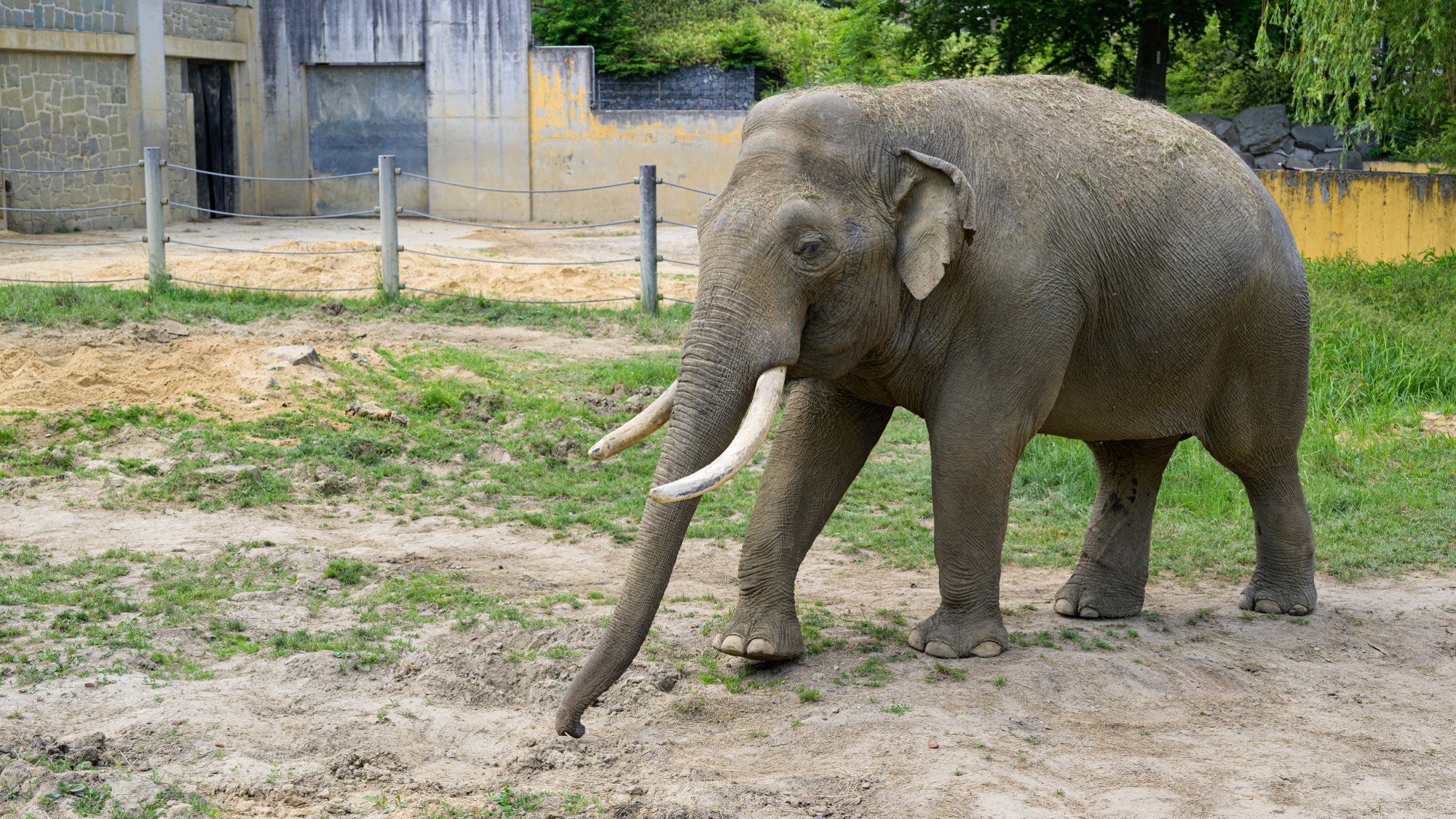
Maxim, at 28 years of age, is a fully grown elephant. In Asian elephants, only males bear tusks. Photo: Petr Hamerník, Prague Zoo
“Ankhor arrived at Prague Zoo from Berlin in 2014 as an experienced breeding male. He has fully lived up to that reputation here and has gradually become the father of three Prague-born calves—Rudi, Lakuna and Amalee—with two more offspring expected early next year. He has now moved to Ostrava to mate with a female there that has long been recommended for breeding,” says Martin Kristen, Head Elephant Keeper at Prague Zoo.
The presence of his daughter Lakuna in the maternal herd is one of the reasons why the calm and experienced Ankhor cannot remain in Prague any longer. Within managed breeding programmes, it is essential to prevent inbreeding, and his departure is therefore a logical step.
By contrast, the Ostrava male Maxim has not yet sired any offspring. He was born in Rotterdam in 1998 and was brought to Ostrava Zoo in 2018 from Zoo Le Pal in France. Shortly after his arrival, he was introduced to females, but these attempts were unsuccessful. Nor did a later pairing with a young male prove successful.
Transfers of male elephants between zoological gardens are a common part of their management. Unlike females, which live in stable family groups, males are naturally more solitary and move between groups in adulthood. This is reflected in the way they are kept in zoos. At Prague Zoo’s Elephant Valley, where Maxim will be housed for some time, he will remain separated from the females.
“Our colleagues at Prague Zoo were very accommodating in this matter and agreed to the exchange of adult males. Our male will spend some time in Prague, where there are sufficient facilities for keeping bull elephants, as well as the possibility of visual contact with females,” says Pavla Slavíčková, Zoologist at Ostrava Zoo.
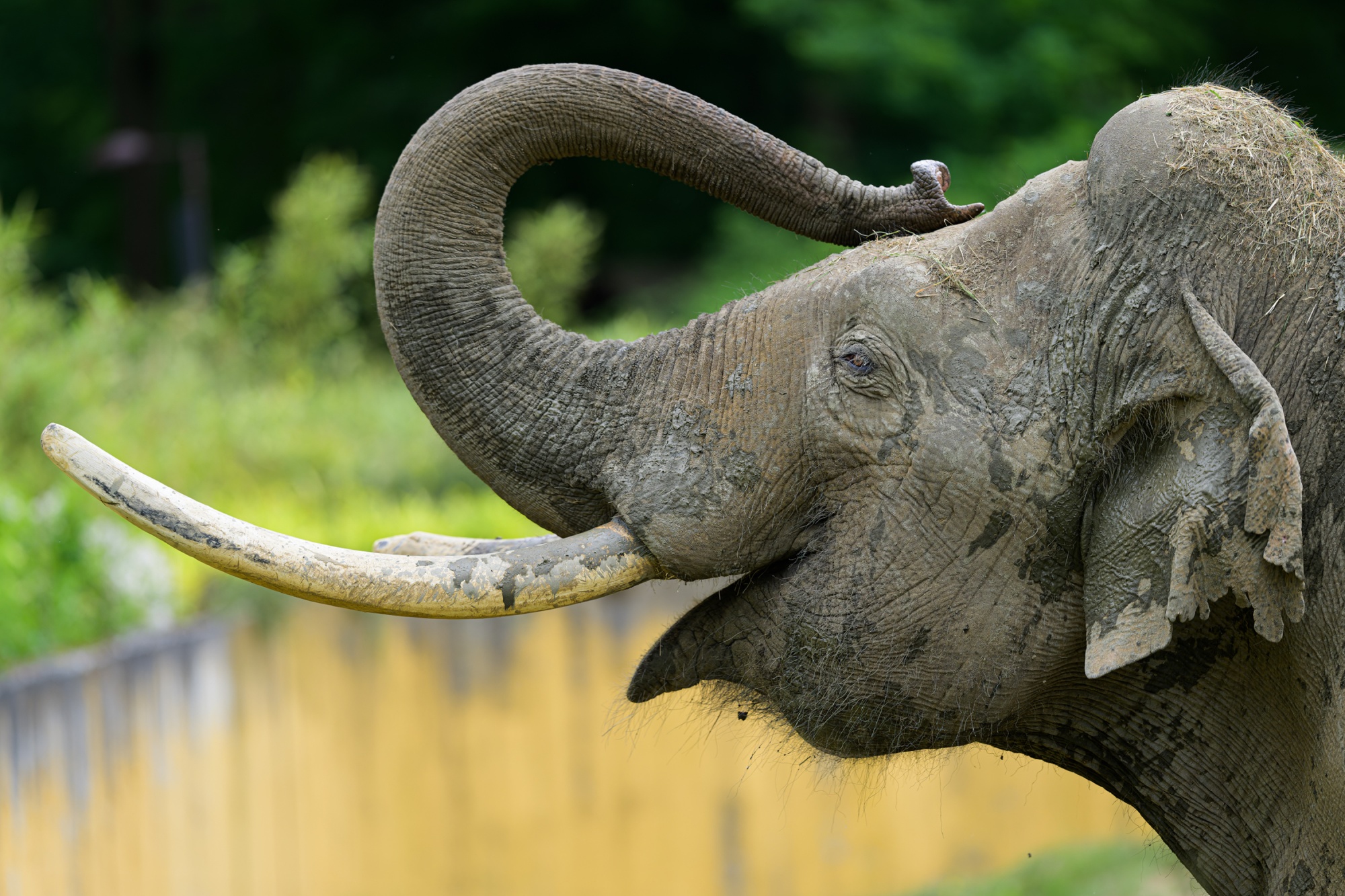
Profile portrait of the male Asian elephant Maxim, taken at Ostrava Zoo in the first week of June. Photo: Petr Hamerník, Prague Zoo
The transport of adult elephants is both logistically and technically highly demanding. Preparations involve keepers, veterinarians, EEP coordinators and specialised transport companies.
Prague keepers trained Ankhor for the loading procedure over several months. Likewise, their Ostrava colleagues had been intensively preparing their male for transport since the end of 2025. This preparation included regular training focused on handling and voluntary cooperation. At the same time, numerous veterinary examinations were carried out at both zoos, including blood sampling and trunk washes as part of tuberculosis testing. All samples were obtained solely through training, without the need for anaesthesia. The primary aim of these procedures is to minimise stress in unusual situations.
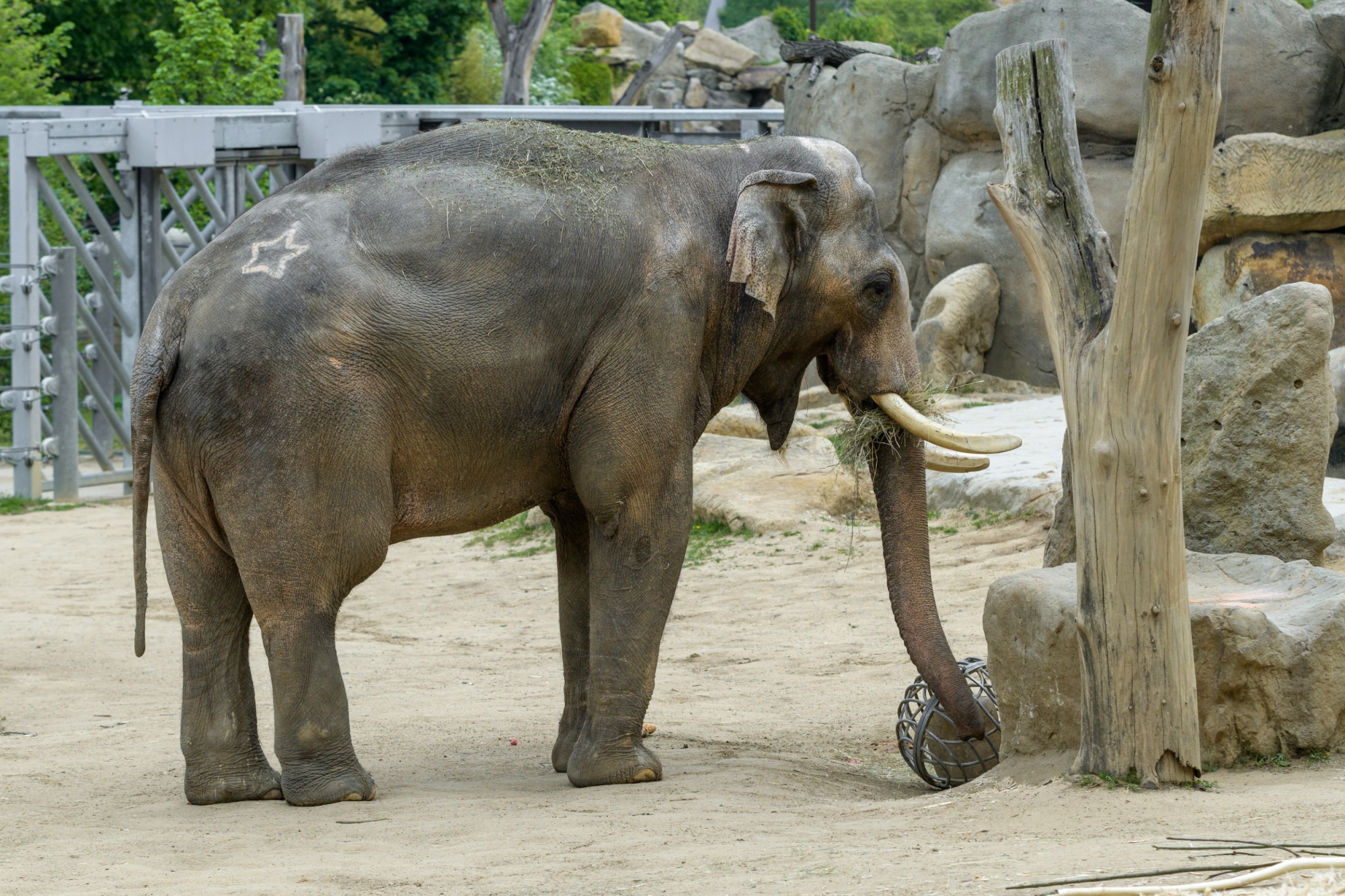
Ankhor, who travelled from Prague to Ostrava yesterday, can be reliably recognised by the star markings on his hindquarters, which he has had since early youth. These are marks of the Burmese king indicating state-owned animals. Photo: Petr Hamerník, Prague Zoo
Both elephants were accompanied to their new homes by their keepers, who will remain on site for about a week. The presence of familiar keepers is of great importance during such transfers. They not only accompany the animals during the journey—checking on them during stops, providing supplementary feed and guiding them as needed thanks to prior training—but also assist with unloading and the initial acclimatisation to the new environment.
The elephant house at Prague Zoo remains open. The females will be on view in the outdoor enclosures, while Maxim will be introduced once his keepers consider him sufficiently acclimatised.
At Ostrava Zoo, the Elephant House will be closed for several days to allow Ankhor to settle into his new surroundings. Visitors will still be able to see the elephants in the outdoor enclosures for most of the day. He, too, will have access to the outdoor areas.
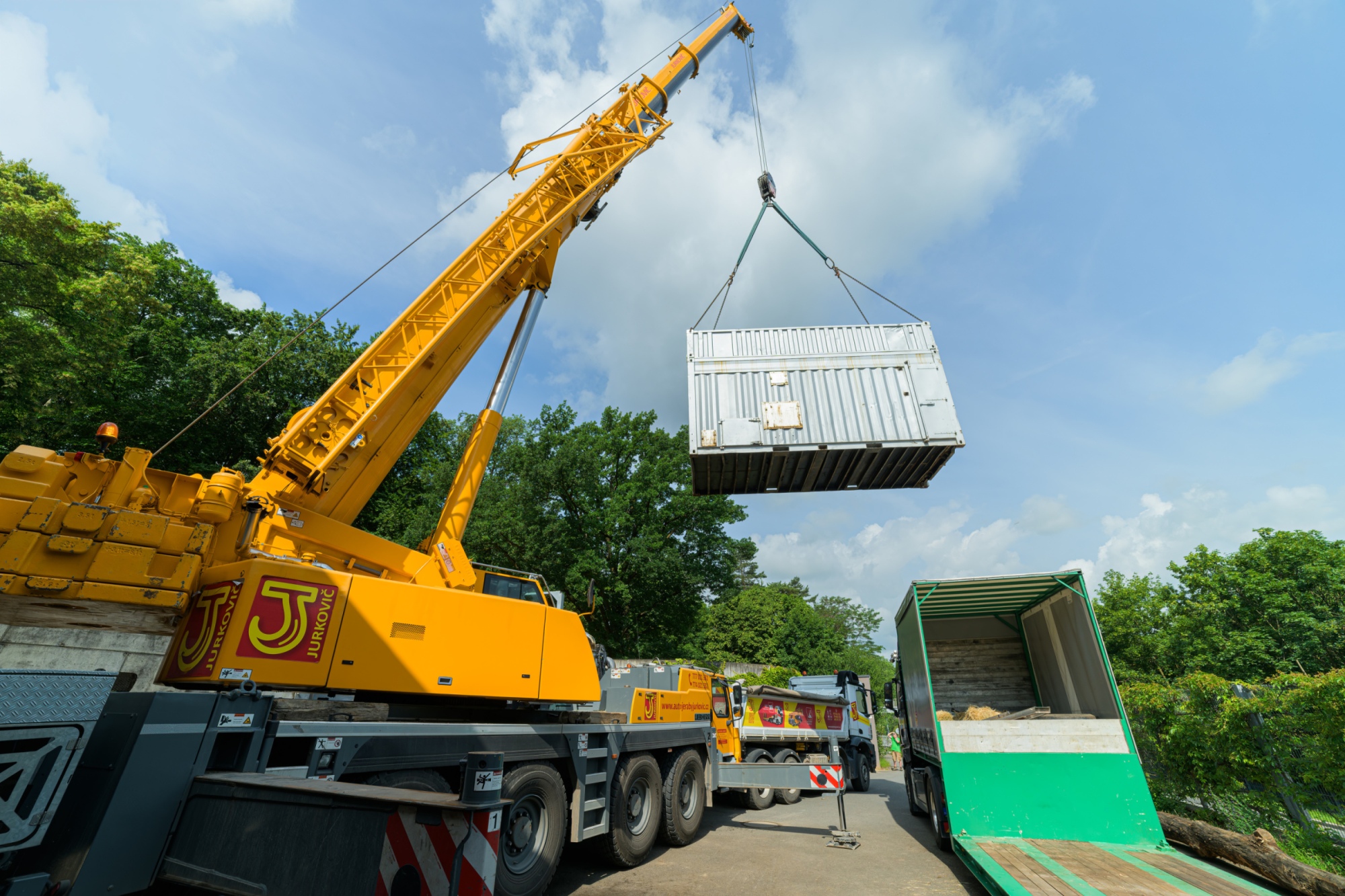
Loading of Ankhor at Prague Zoo proceeded smoothly thanks to his training; the process was completed in under an hour. Photo: Petr Hamerník, Prague Zoo
Menu
Social networks