Unusual Feathered Newcomers at Prague Zoo
21. 05. 2026
Fancy a curlew, a coua or a kiskadee? Prague Zoo has welcomed four new bird species. The Eurasian curlew catches the eye with its long bill; the endemic blue coua with its metallic sheen; the agile great kiskadee with its remarkable boldness; and the (until know unmentioned) rufous-vented laughingthrush can be seen nowhere else in Europe. The latter arrived at Prague Zoo from a confiscated shipment of birds destined for the illegal wildlife trade. All of these feathered newcomers are already on display.
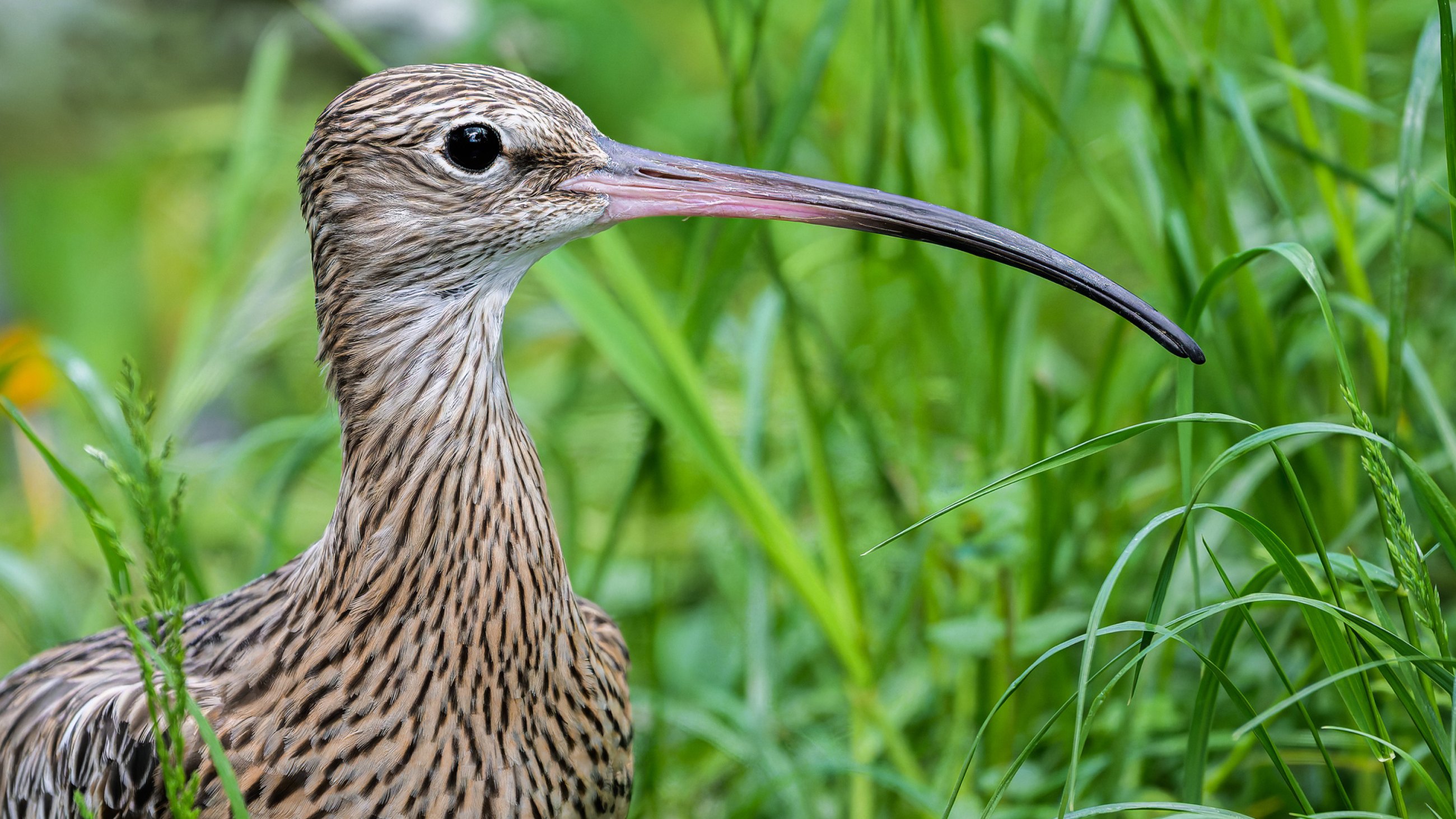
Eurasian curlew. Photo: Petr Hamerník, Prague Zoo
Antonín Vaidl, Curator of Birds at Prague Zoo, says: “The quartet of birds we are now presenting to our visitors quite literally comes from various corners of the world. They are representatives of America, Madagascar, Asia and Europe, vividly illustrating the diversity of the avian world.”
The Eurasian curlew is the largest European wader. It stands out for its robust body and exceptionally long bill—an excellent tool for probing for insects, molluscs and crustaceans. Its wingspan can exceed one metre. In the wild, this migratory species—critically endangered in the Czech Republic—is more often heard, with its flute-like call, than seen. At Prague Zoo, however, visitors can now observe it: a young pair has recently settled in the European section of the Bird Wetlands exhibit.
The blue coua lives up to its name. Bearing hues rarely encountered in nature, it is endemic to Madagascar. Although a member of the cuckoo family, it differs from the common cuckoo in that it cares for its own young. It feeds on insects and small reptiles, but also eats fruit. Rather than taking to the air, it typically moves through dense vegetation by hopping from branch to branch, using its tail as a rudder. Since May 2026, it can be seen in the African aviary of the Bird Wetlands.
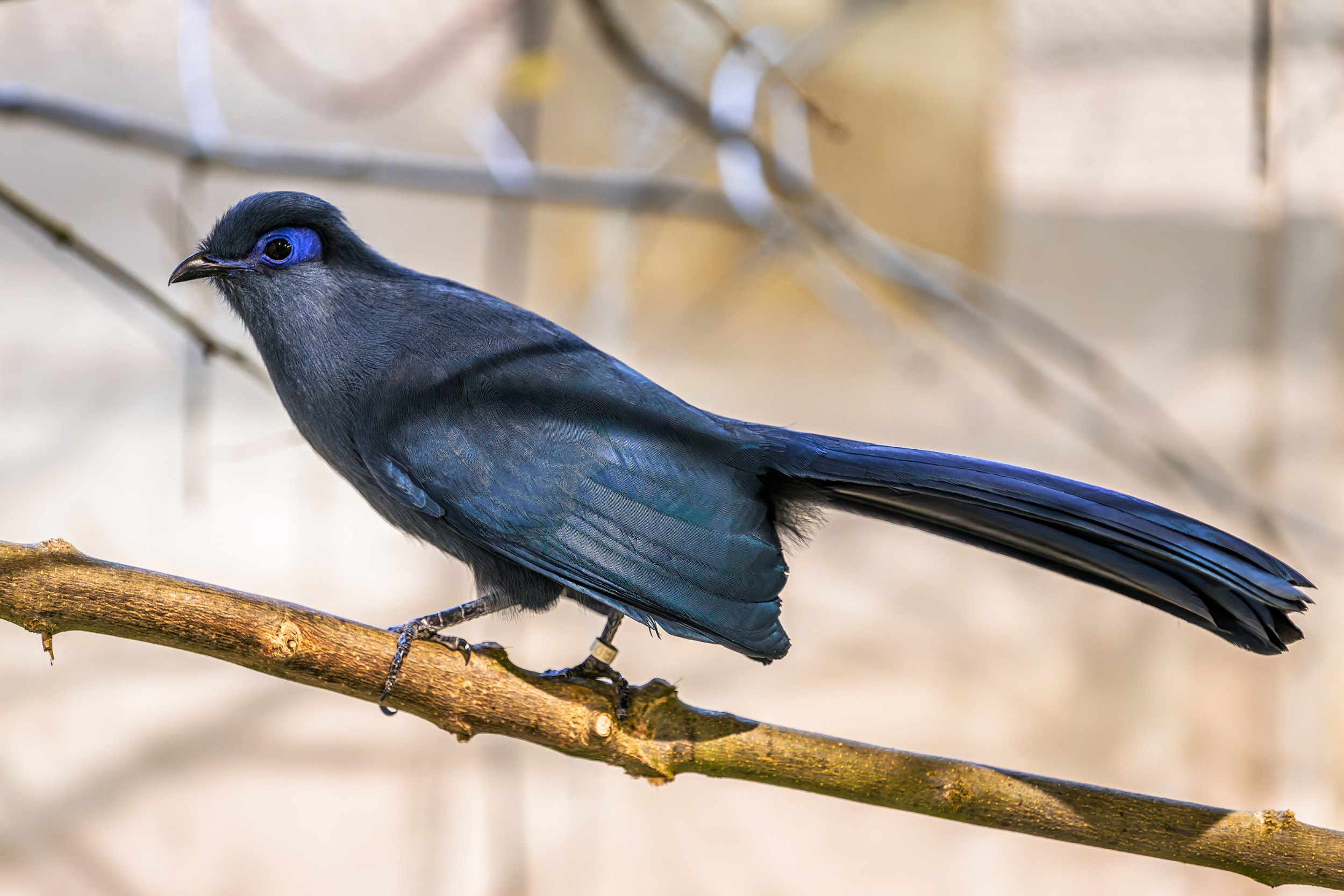
Blue coua. Photo: Petr Hamerník, Prague Zoo
The great kiskadee is one of the largest tyrant flycatchers. In the countries of its origin, it has various onomatopoeic names rendering of the bird’s call. In Brazil, it’s “bem-te-vi”, meaning “I saw you well”. The name tyrant reflects the fearless manner in which the passerines belonging to this family defend their territories, even against much larger birds of prey. The great kiskadee catches insects in flight, but also dives into the water for small fish, much like a kingfisher. Native to the Amazon rainforest as well as urban parks, yet a demanding species to keep in Europe, it now features in the South America section of the Bird Wetlands.
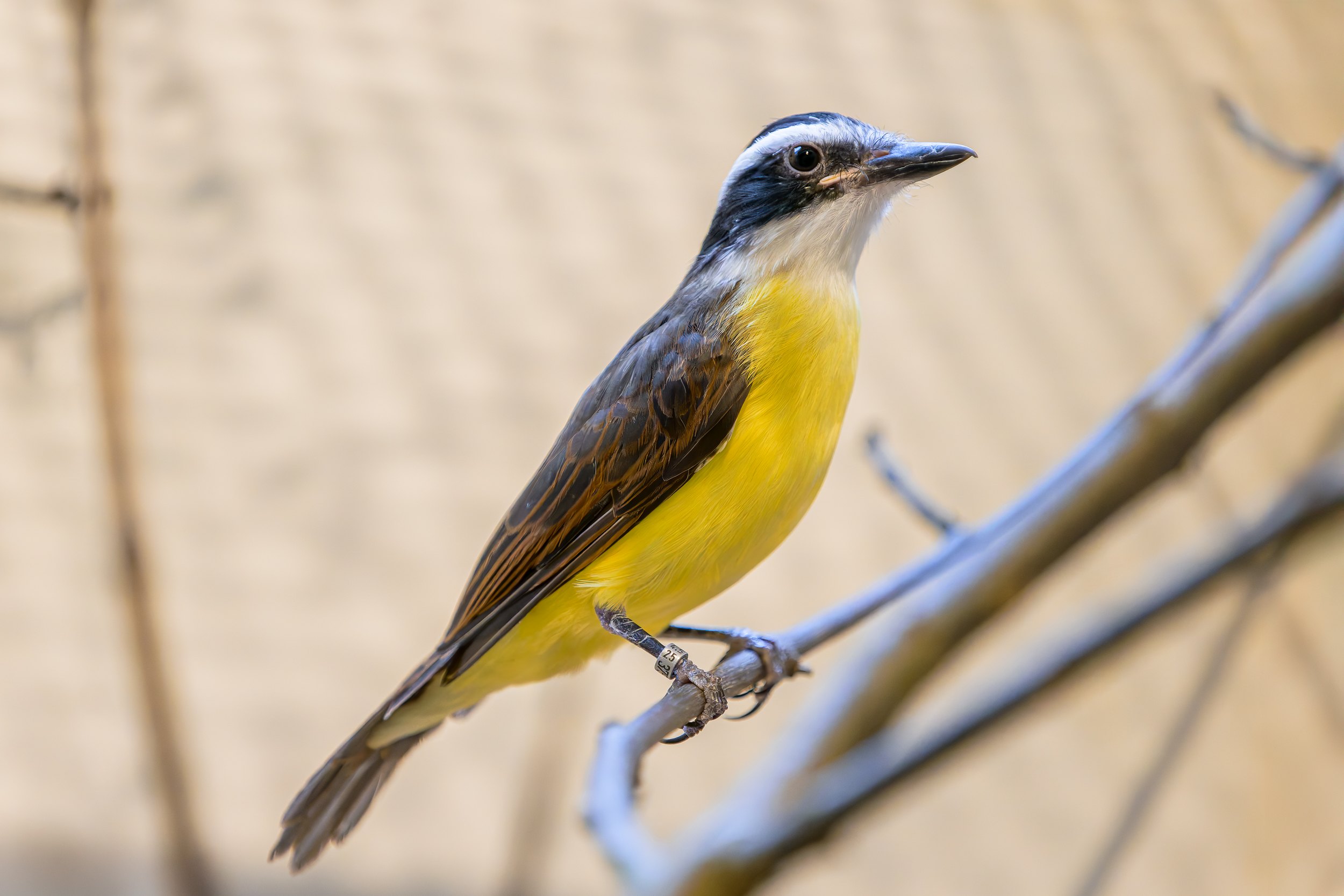
Great kiskadee. Photo: Petr Hamerník, Prague Zoo
The rufous-vented laughingthrush arrived at Prague Zoo from an illegal consignment of birds seized by customs officers in Slovakia. Prague Zoo is a long-established and experienced keeper of laughingthrushes, Asian omnivorous passerines, which, despite their English name, are not closely related to true thrushes. However, like thrushes, they are known for their melodious voices. It is these voices that prove their downfall: across East Asia, various laughingthrush species are frequently trapped for the cage-bird trade, and their numbers are declining dramatically. The rufous-vented laughingthrush can now be seen at the only location in Europe: the outdoor aviary of the Sichuan house in the lower part of Prague Zoo.
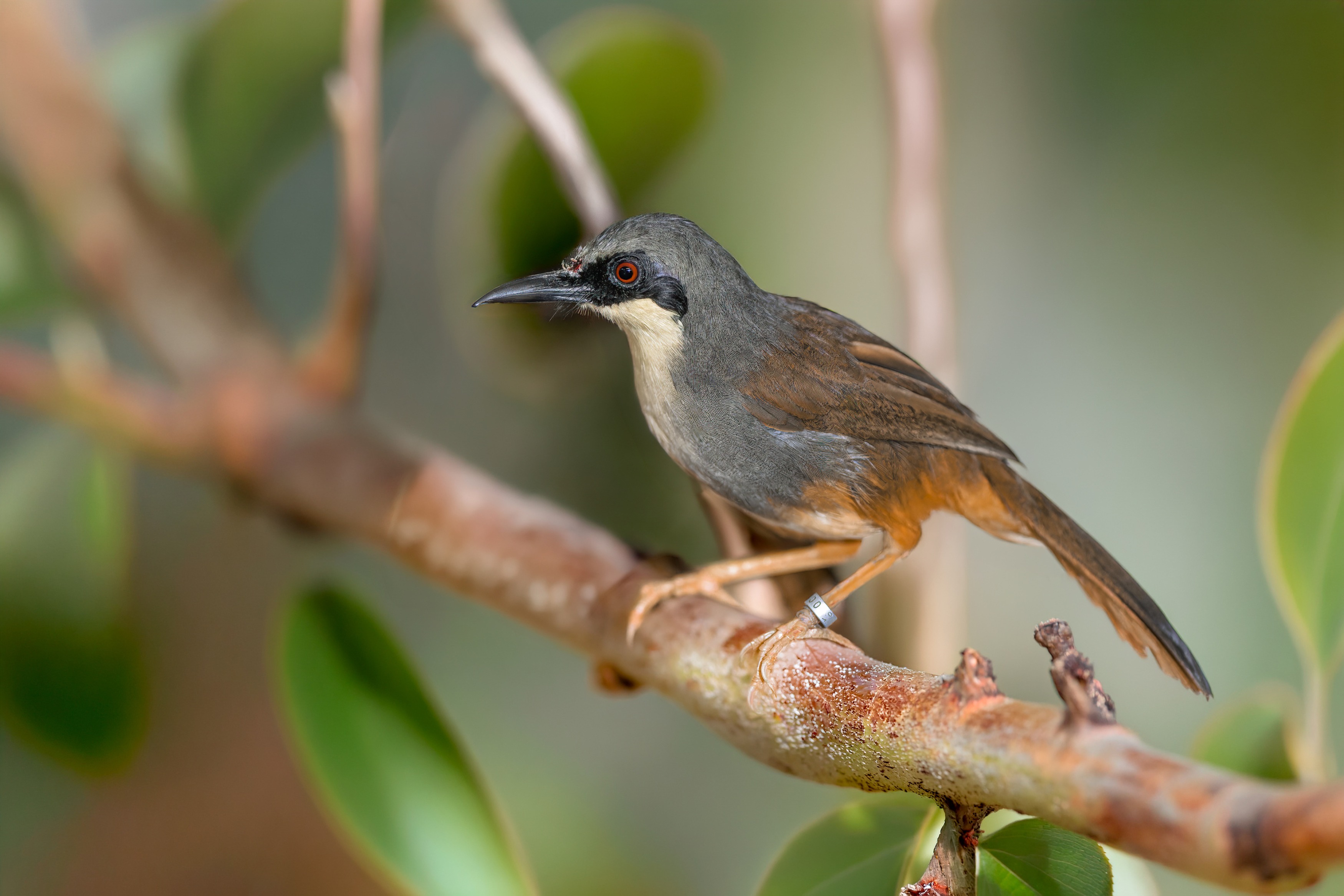
Rufous-vented laughingthrush. Photo: Petr Hamerník, Prague Zoo
Menu
Social networks