Bring Back Blue: Pheasants Extinct in the Wild Go from Europe to Vietnam
23. 05. 2026
Vietnam pheasants, last seen in the wild in 2000, are returning to their homeland. Berlin Zoo transported ten pairs to Vietnam this month, with three of the twenty individuals coming from Prague Zoo. The transport, under the slogan Bring Back Blue, is the result of decades of international effort. Prague Zoo plays a key role: it coordinates the EAZA Ex-situ Programme (EEP) and manages the European studbook for the Vietnam pheasant. The bird is endemic to the forests of central Vietnam. It has been kept at Prague Zoo since the 1940s and almost two hundred chicks have been reared. The zoo has also financed the construction of a breeding centre in Vietnam, where the birds from Europe will now be housed.
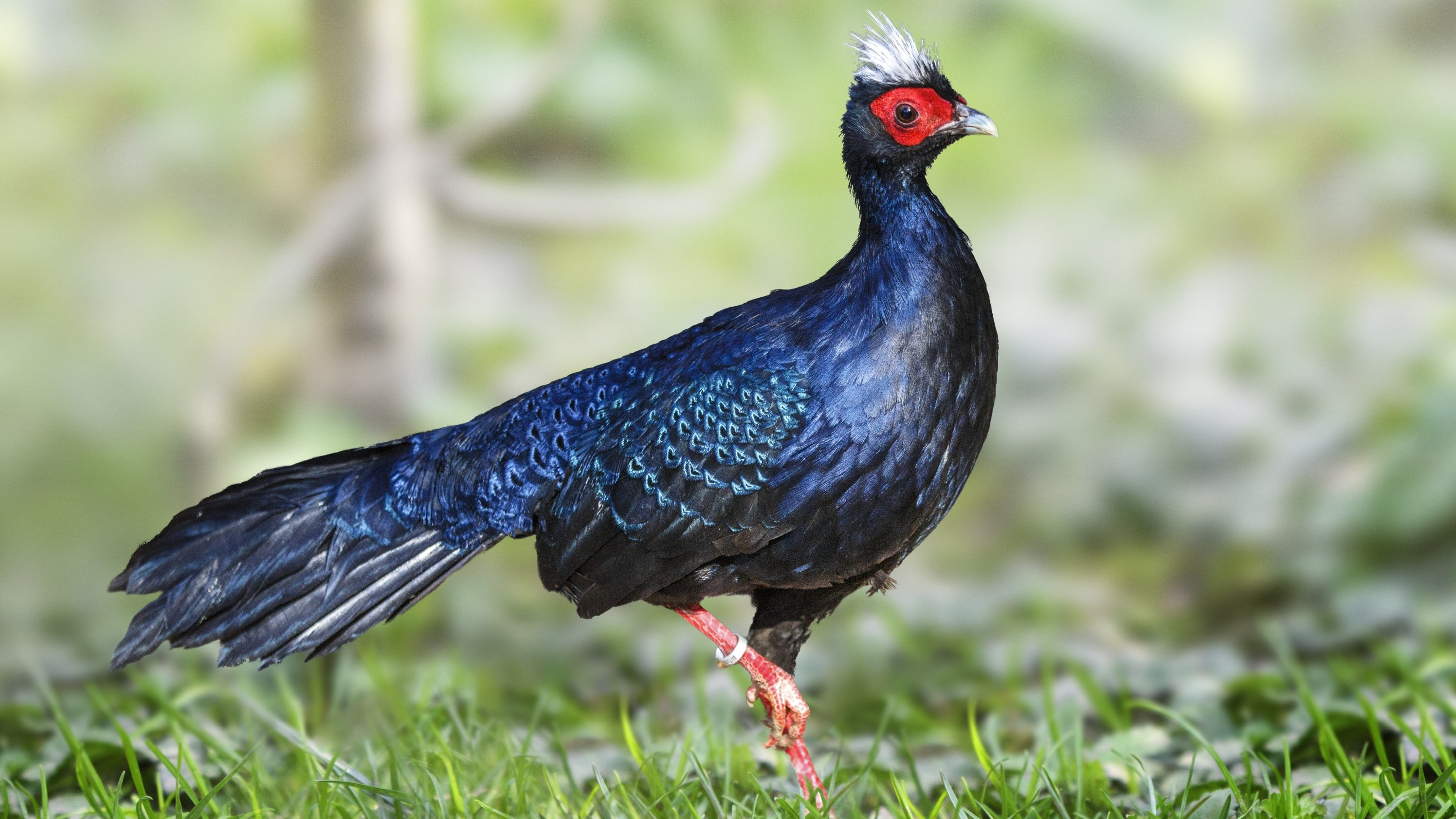
A male Vietnam pheasant. Photo: Václav Šilha, Prague Zoo
The initiative is supported by a wide network of partners who have combined expertise in breeding management, veterinary science, habitat protection and long-term monitoring. The EEP, led by Prague Zoo, plays a key role in this collaboration, ensuring the population’s long-term viability.
Veronika Zahradníčková, Prague Zoo’s EEP Coordinator for the Vietnam pheasant, said: “Coordinated management of the European population was an essential part of preparing for this moment. Thanks to careful and long-term planning of the breeding programme, based on genetics, we have managed to maintain a healthy and viable population. Providing some of the birds from the breeding programme to this project is an important milestone in returning the Vietnam pheasant to its natural habitat.”
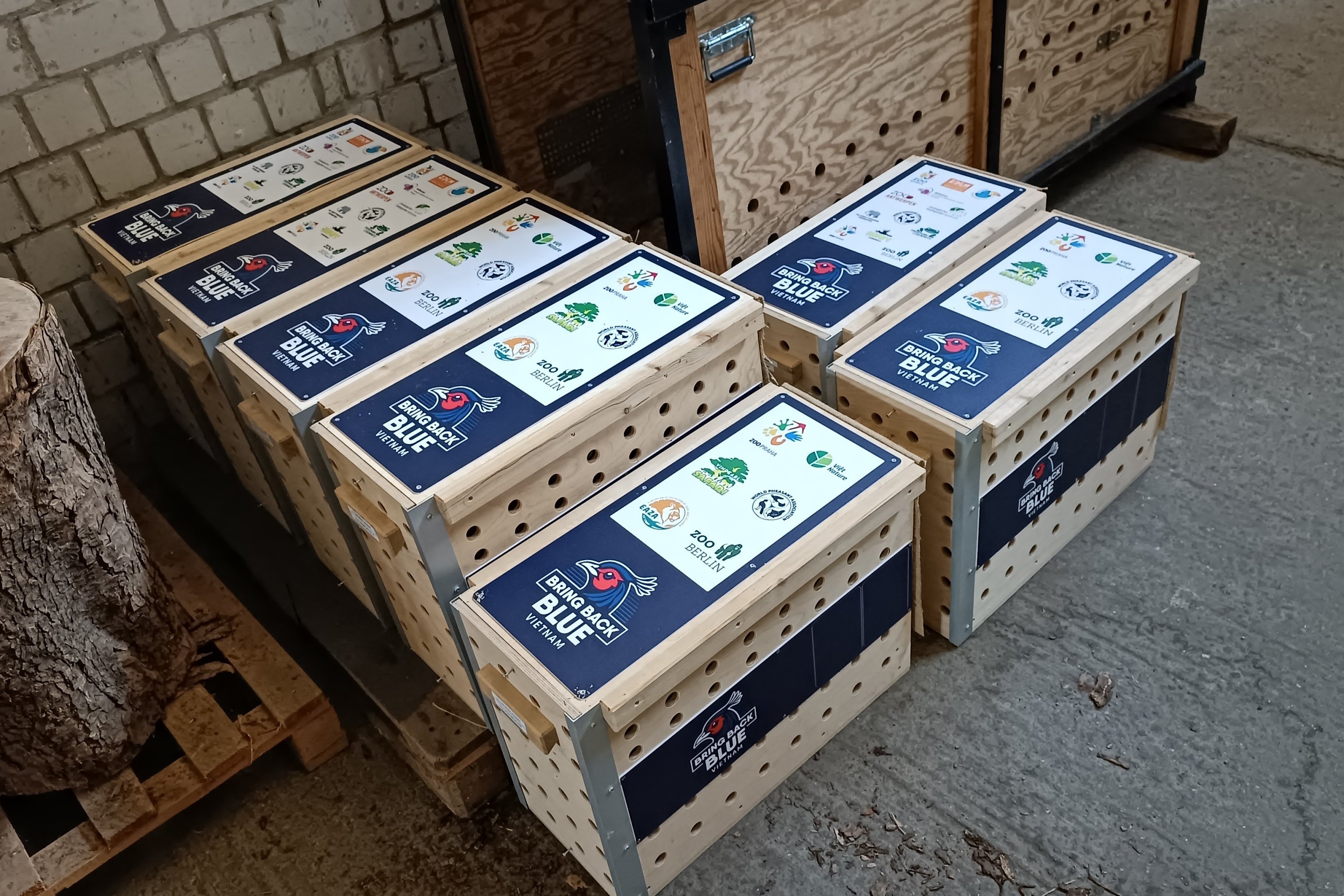
Transport crates for Vietnam pheasants. Photo: Berlin Zoo
From demise to rescue
Central Vietnam has been missing one of its most outstanding inhabitants for over two decades. Originally living in dense, humid lowland forests, the Vietnam pheasant has not been reliably recorded in the wild for decades. It was last observed in March 2000. It is currently listed as Critically Endangered (Possibly Extinct in the Wild) on the IUCN Red List.
Males are particularly distinctive due to the elegant metallic sheen of their plumage and the bright red skin on their heads. The decline of this gallinaceous bird has been driven by multiple pressures. Factors behind its likely extinction in the wild include widespread habitat loss, agricultural encroachment, illegal hunting and, last but not least, the lasting ecological impact of the Vietnam War, during which large areas of native forest within its range were destroyed.
An international alliance of conservation organisations, zoological institutions and Vietnamese partners has joined forces with a shared aim: to return the Vietnam pheasant to the forests where it once lived. The project is one of the few global efforts to reintroduce a species likely extinct in the wild, making it both ambitious and deeply symbolic.
The story of the Vietnam pheasant’s survival is a remarkable one. In the early 20th century, a small number of birds were brought to Europe from Vietnam. This population under human care formed the basis of a carefully managed conservation effort across zoological institutions and private breeders. Thanks to international coordination, the captive population has retained its genetic viability.
Today, the European zoo population is being used to support the species’ return to the wild. This month, a group of twenty pheasants selected from European institutions and private breeders was transported from Berlin to Vietnam. Each bird was chosen with regard to genetic diversity, health status and behavioural characteristics to ensure the strongest possible foundation for the future population in Vietnam.
Transport and other steps
The pheasants were flown from Germany to Vietnam by cargo plane in specially designed transport crates that ensured their safety, ventilation and minimal stress throughout the entire journey. Experts accompanied the birds to monitor them continuously and safeguard their welfare.
Upon arrival, the pheasants were to undergo acclimatisation and quarantine at Vinpearl Safari Phú Quốc Zoo in Vietnam. Some will remain at the zoo, while others will be transferred to the breeding centre in Kim Ngân. All individuals will be closely monitored. The immediate goal is not release, but stabilisation: this approach allows the pheasants to adapt to local climatic conditions, form natural breeding pairs and produce a new generation hatched in Vietnam. Once this has been achieved, further steps towards release into the wild will be carefully evaluated.
This approach reflects the complexity of the issue. Returning a species that is no longer present in the wild requires far more than “simply” transferring animals from a zoo to their original habitat. Functional ecosystems, along with the protection and support of local communities, are absolutely crucial.
In central Vietnam, these conditions are being formed in parallel. Within the species’ historical range, protected areas of forest are being marked out as potential sites for future releases. Conservation teams are working in the field to protect these habitats, survey biodiversity and reduce ongoing threats, especially poaching.
Partnerships and quotes
The Rare Pheasants Breeding Centre, run by the local non-profit organisation Viet Nature, has played a key role in field-based efforts. The first facility of its kind in Vietnam, the centre combines breeding with research and environmental education, while engaging local communities in protecting their natural heritage.
Pham Tuan Anh, Director of Viet Nature, said: “For Vietnam, the recovery of the Vietnam pheasant population is more than just the return of a single species. It symbolises both our pride and our responsibility to protect our natural heritage. This project shows how conservationists, scientists, local communities and authorities can work together to restore what was once lost.”
Andreas Knieriem, Director of Berlin Zoo and Tierpark Berlin, said: “This project is the result of decades of international collaboration. Thanks solely to coordinated conservation breeding, the Vietnam pheasant has survived. Now we have a chance to take the next step: returning it to the wild where it belongs.”
Global conservation partners have also emphasised the importance of long-term commitment. Jo Gregson, President of the World Pheasant Association (WPA), said: “The WPA is committed to a long-term partnership in one of the most challenging yet innovative conservation projects in recent years. In 1994, the WPA sent four pairs of this species to Hanoi Zoo, so today’s landmark transfer is the result of many years of determined negotiation. The Vietnam pheasant is one of the few bird species whose survival is utterly dependent on populations under human care. The WPA is committed to changing the fate of this species by restoring its population in the wild. The strong support on the part of the Vietnamese authorities and the multinational team gives us confidence that we will succeed. It is a step-by-step process, and the transfer of twenty birds from Germany represents a crucial milestone in the Bring Back Blue project.”
Several partners from different countries are providing specialist expertise to various aspects of the project. One of these is the long-term monitoring of the birds once they are eventually released into the wild. Leah Williams, Senior Conservation Scientist at Chester Zoo, said: “When reintroducing a species, it’s really important to know how well individuals survive in the wild, so post-release monitoring is essential. That’s where radio telemetry transmitters come in. They allow us to track the birds in the wild and assess their health without disturbing them. We’re currently conducting trials to find the best way to attach the transmitters to the pheasants.”
The return of the Vietnam pheasant represents a rare opportunity to reverse a loss that at one point seemed final. The project therefore highlights the role of long-term, carefully planned conservation breeding and demonstrates the importance of international cooperation in addressing global biodiversity challenges.
More about Vietnam pheasant conservation at Prague Zoo: Saving the extinct Vietnam pheasant
Detailed information about the Vietnam pheasant in a special issue of Prague Zoo’s journal GAZELLA.
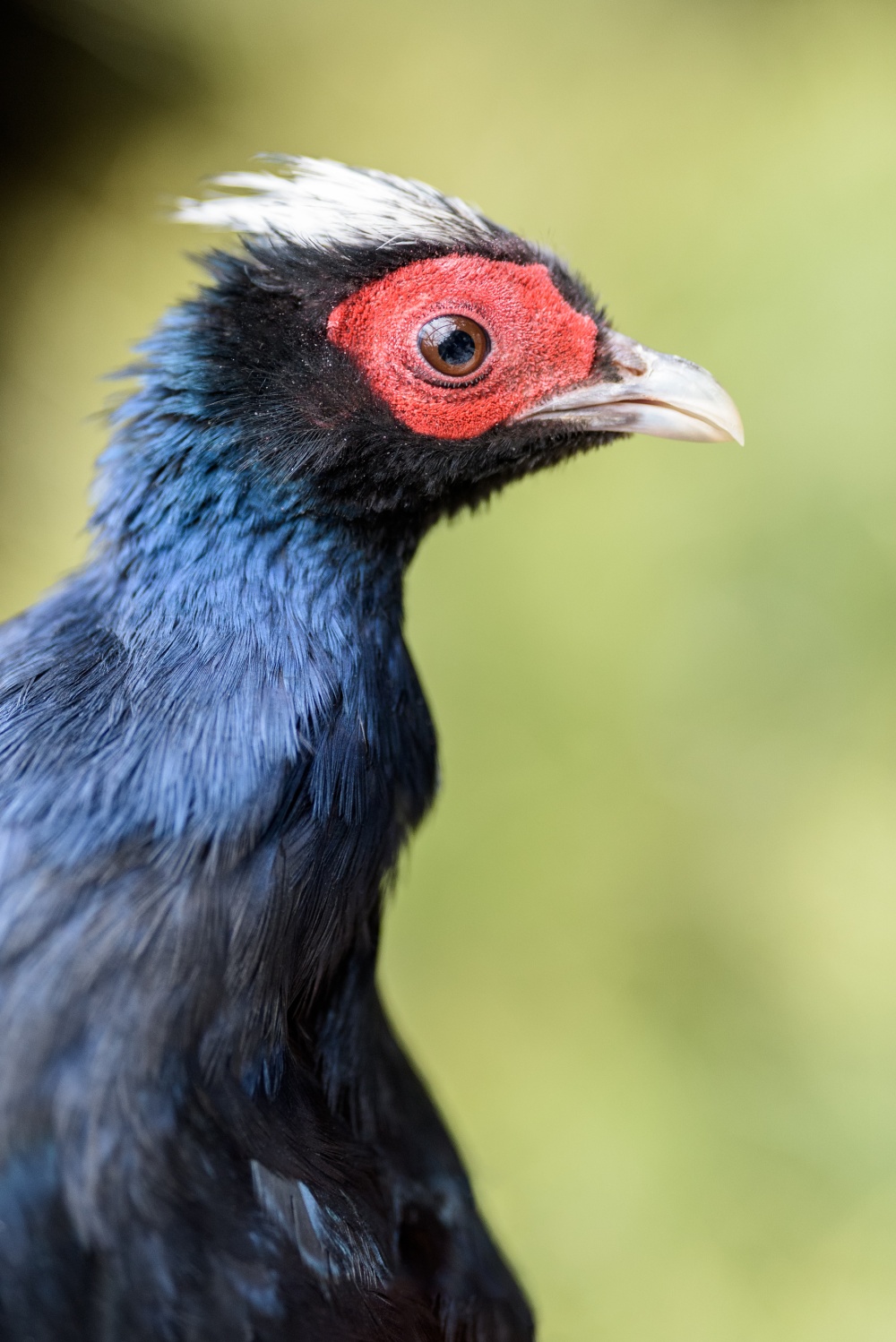
Close-up of a male Edwards’s pheasant. Photo: Petr Hamerník, Prague Zoo
Menu
Social networks